Anduril Secures Monumental $20B US Army Deal, Revolutionizing Defense Procurement
BitcoinWorld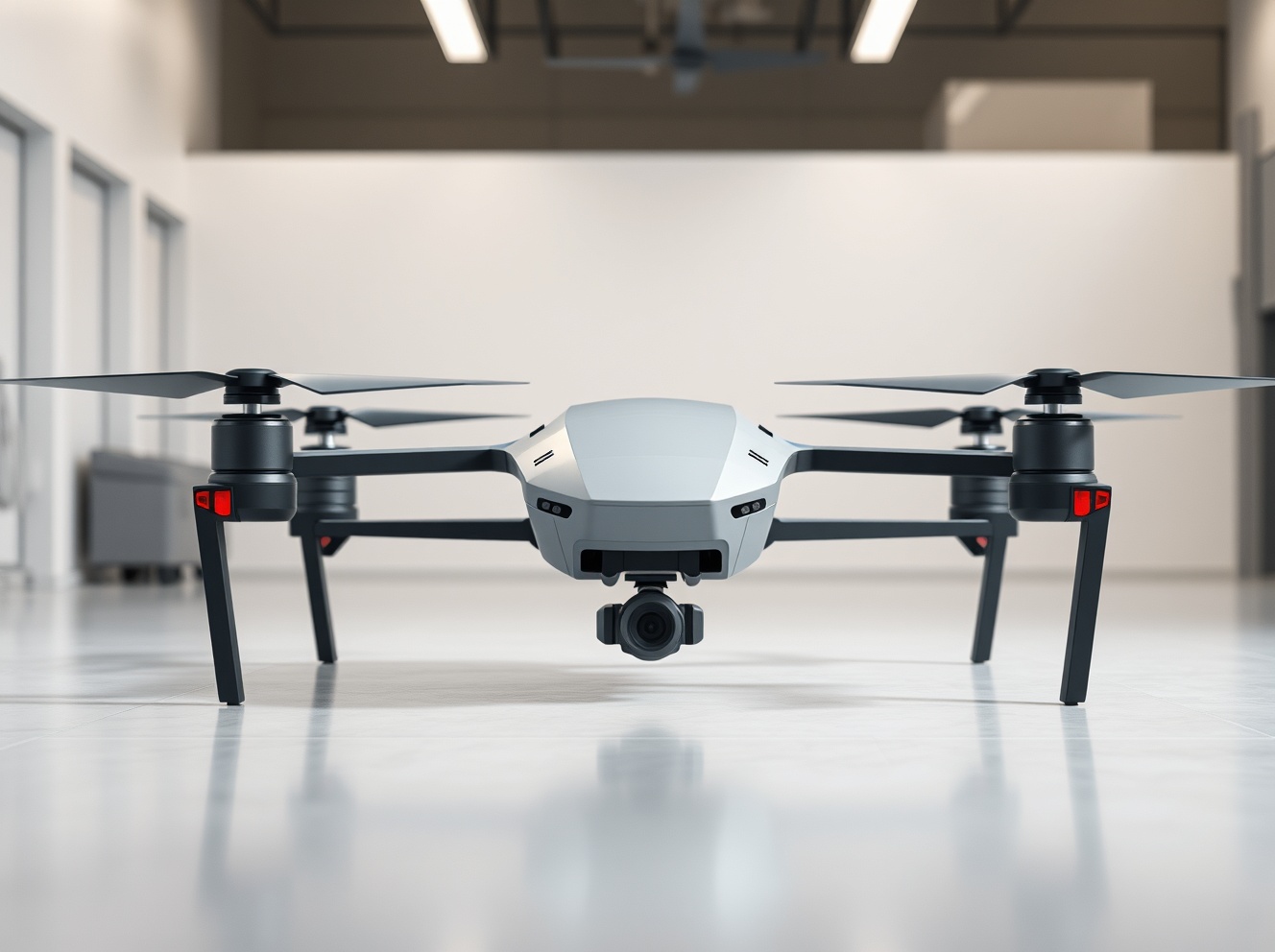
Anduril Secures Monumental $20B US Army Deal, Revolutionizing Defense Procurement
In a landmark move that signals a seismic shift in military acquisition, the United States Army has awarded defense technology startup Anduril Industries a contract potentially worth up to $20 billion. Announced late Friday, this 10-year enterprise agreement fundamentally streamlines the procurement of cutting-edge autonomous systems and could redefine the Pentagon’s relationship with Silicon Valley. The deal, starting with a five-year base period, consolidates over 120 separate procurement actions into a single vehicle for Anduril’s hardware, software, and services, aiming to inject unprecedented speed into the defense innovation pipeline.
Anduril’s $20 Billion Army Contract Details
The contract structure itself is a radical departure from traditional defense procurement. Instead of funding specific, individual weapons systems, the agreement establishes Anduril as an enterprise-level provider. Consequently, the Army can rapidly acquire and deploy a suite of the company’s commercial solutions. These solutions reportedly include autonomous fighter jets, drones, submarines, and command-and-control software. The Department of Defense’s Chief Technology Officer, Gabe Chiulli, emphasized the strategic imperative behind this approach in a statement. “The modern battlefield is increasingly defined by software,” Chiulli said. “To maintain our advantage, we must be able to acquire and deploy software capabilities with speed and efficiency.” This contract is a direct response to that challenge, aiming to bypass the bureaucratic delays that have historically plagued military tech adoption.
The Strategic Shift in Defense Procurement
This massive award represents more than just a large sum of money; it embodies a profound strategic pivot within the Pentagon. For decades, major defense contracts were the exclusive domain of established prime contractors like Lockheed Martin, Raytheon, and Northrop Grumman. Anduril, founded in 2017, is now positioned alongside these giants. The enterprise model reduces administrative overhead and allows for iterative, software-like updates to fielded systems. A comparison illustrates the scale of this consolidation:
| Traditional Model | Anduril Enterprise Model |
|---|---|
| 120+ separate contract actions | One master contract |
| Lengthy, system-specific development cycles | Rapid deployment of commercial solutions |
| Hardware-centric acquisitions | Integrated hardware, software, and service packages |
| High administrative burden | Streamlined procurement and management |
This shift is driven by the need to counter advanced adversaries who are themselves leveraging commercial technology at a rapid pace. The Pentagon’s goal is to create a more agile acquisition system that can keep pace with the innovation cycle in the private sector.
Palmer Luckey’s Vision and Political Context
The contract also shines a spotlight on Anduril’s controversial co-founder, Palmer Luckey. Previously known for selling virtual reality pioneer Oculus to Facebook (now Meta), Luckey was later fired from the social media giant following a political donation scandal. He has consistently argued that the media misrepresented his views. According to a recent New York Times report, Luckey and Anduril have found a receptive audience in the second Trump administration. His vision of a military transformed by autonomous, networked systems—a vision reflected in the company’s name, inspired by a magical sword in “The Lord of the Rings”—aligns with current defense priorities. Anduril, which reportedly generated around $2 billion in revenue last year, is also in talks for a new funding round that could value the company at a staggering $60 billion.
Broader Implications for the Defense Tech Ecosystem
The Anduril deal arrives amid a complex landscape for defense technology partnerships. Simultaneously, the Department of Defense is embroiled in a legal dispute with AI company Anthropic, which is suing the Pentagon over a “supply chain threat” designation after failed contract talks. Furthermore, OpenAI has faced significant consumer backlash and internal executive departures following its own Pentagon agreement. These concurrent events highlight the growing pains and ethical debates as Silicon Valley’s leading AI firms engage with national security. The Anduril contract, by contrast, involves a company built from the ground up for defense, potentially offering a less contentious path for the military to access frontier technology. Key implications include:
- Validation of the Non-Traditional Model: Anduril’s success proves that startups can secure prime contractor status.
- Accelerated Competition: Established defense primes now face disruptive competition from agile, software-first companies.
- Talent and Capital Flow: A deal of this magnitude will attract more venture capital and engineering talent into the defense tech sector.
- Operational Tempo: The Army expects to field and update capabilities much faster than before.
Conclusion
The US Army’s monumental $20 billion contract with Anduril Industries is a watershed moment for national security innovation. It signals a decisive move away from slow, platform-centric procurement toward a faster, software-driven enterprise model. By consolidating procurement and embracing a commercial solutions approach, the Pentagon aims to close the innovation gap with adversaries and maintain its technological edge. While the deal elevates Anduril and its founder Palmer Luckey to a new level of influence, it also reflects the broader and sometimes turbulent integration of cutting-edge commercial technology into the heart of American defense strategy. The success of this ambitious contract will be measured by how swiftly and effectively these autonomous systems can be deployed to support service members in the field.
FAQs
Q1: What exactly did the US Army contract with Anduril cover?
The contract is a 10-year enterprise agreement, starting with a 5-year base period, for Anduril to provide a full suite of its defense technology. This includes autonomous hardware systems (like drones and submarines), the software that operates them, and ongoing support services, consolidating what was previously over 120 separate procurement actions.
Q2: Why is this contract considered a major shift in defense procurement?
Traditionally, the Pentagon awards contracts for specific, individual weapons systems through a slow, bureaucratic process. This “enterprise” contract allows the Army to rapidly acquire and iteratively update a broad portfolio of commercial technology from a single vendor, prioritizing speed and software agility.
Q3: Who is Palmer Luckey and what is his role in Anduril?
Palmer Luckey is the co-founder of Anduril and was previously the founder of Oculus VR, which he sold to Facebook. He is a controversial figure in tech due to past political donations. He is the visionary behind Anduril, advocating for a U.S. military rebuilt with autonomous, AI-powered systems.
Q4: How does this contract affect other defense companies?
It establishes Anduril as a major prime contractor, directly competing with legacy giants like Lockheed Martin and Raytheon. It validates the “startup” model in defense and will likely increase competitive pressure on traditional firms to innovate and streamline their own offerings.
Q5: What are the potential risks or controversies associated with this deal?
Risks include the challenges of integrating complex autonomous systems, potential ethical concerns over AI in warfare, and the political controversy surrounding founder Palmer Luckey. It also highlights the ongoing tension between Silicon Valley’s commercial AI firms and national security needs, as seen in parallel disputes with companies like Anthropic and OpenAI.
This post Anduril Secures Monumental $20B US Army Deal, Revolutionizing Defense Procurement first appeared on BitcoinWorld.


You May Also Like

Sterling Weakens As Dollar Soars On Geopolitical Escalation And Bailey’s Cautious Stance

Bitcoin & Ethereum Inflows Hit 1-Year Low as Crypto Investors Brace for Fed Decision – BTC Eyes $120K