Alleged Dream Market Admin Charged in US for Laundering Crypto Into Physical Gold Bars

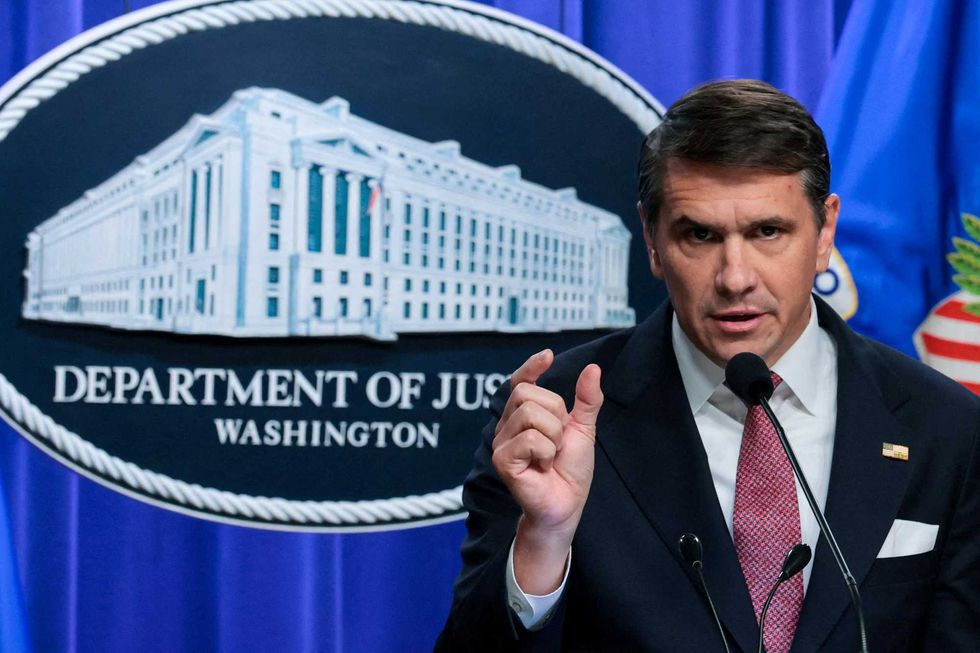
Darknet market exits rarely fade quietly. A fresh U.S. indictment pulls the Dream Market saga back into the open, this time with an old-school physical twist. According to the original report, the Department of Justice has charged German citizen Owe Martin Andresen, the alleged main administrator of the long-defunct darknet marketplace Dream Market, with laundering more than $2 million in cryptocurrency proceeds.
Prosecutors say Andresen moved funds from dormant Dream Market wallets that had sat untouched since the platform’s closure. The converted crypto allegedly went straight into gold bars, which were shipped to Germany. By the time investigators moved, they had seized $1.7 million in gold, along with cash and additional crypto-linked assets. The indictment sketches a laundering corridor that bypassed traditional mixing services entirely in favor of tangible precious metals.
From Dormant Wallets to Physical Gold
What makes the case distinct is the arc of the assets. The DOJ’s tracing effort suggests the wallets hadn’t been active since Dream Market voluntarily shut down in April 2019, claiming it was transferring operations to a partner market. That lull gave way years later to a movement pattern investigators were able to follow on-chain. The gold purchase then introduced a different set of vulnerabilities: physical shipment records, customs data, and bullion dealer compliance checks. Once off-chain value hits the logistics of a cross-border precious metals trade, the anonymity surface shrinks fast.
The indictment does not claim Andresen was the original architect of Dream Market. Instead, it paints him as a senior administrator who retained access to wallet keys long after the marketplace disappeared. The time gap between the site’s closure and the alleged laundering attempt—several years—raises questions about how many other dormant darknet keys sit waiting, and how many former operators are watching enforcement patterns before deciding to move.
The DOJ’s asset recovery shows a familiar law enforcement muscle memory. Seizing gold bars is operationally simpler than fighting over encrypted wallets, and it creates a public evidence trail that juries find tangible. The $1.7 million figure also implies authorities believe they have not recovered all of the converted proceeds, leaving open the possibility of additional asset freezes.
The Darknet Market Trail
Dream Market operated during the post-AlphaBay era, launching in 2013 and becoming one of the longest-running darknet markets before its 2019 shutdown. It was never the largest by volume—that title passed between AlphaBay and later Wall Street Market—but its persistence gave it a stable user base. Law enforcement actions swept several competitors off the web during its lifespan, yet Dream Market’s operators appeared to avoid the same immediate pressure until now.
The DOJ’s focus on laundering rather than the original marketplace operation may reflect the challenge of building a narcotics or conspiracy case years after the fact. Instead, the financial trail is cleaner to prosecute. The alleged conduct fits a broader pattern: U.S. agencies are increasingly willing to follow crypto-to-precious-metal conversions, just as they track crypto-to-real-estate purchases or fiat off-ramps through shadow financial networks. Each of these channels turns encryption into a physical asset that traditional law enforcement can physically locate.
For anyone still holding keys to darknet-era wallets, this indictment serves as a warning that dormancy does not equal safety. On-chain surveillance capabilities have advanced significantly since 2019, and the pairing of blockchain analytics with traditional trade monitoring makes gold an increasingly risky off-ramp. This case also arrives as regulators and lawmakers debate the infrastructure for tracking crypto transactions more broadly, with industry pushback intensifying around compliance burdens. Banks are trying to kill the biggest crypto bill in US history four days before the Senate vote, while legitimate on-chain activity continues to institutionalize at pace.
What Remains Uncertain
Several holes in the public narrative matter. Andresen’s precise role within Dream Market’s hierarchy hasn’t been detailed, nor has any connection to other legacy darknet markets been alleged. It’s also unclear what triggered the wallet movement years after shutdown—whether it was a test, a misreading of enforcement attention, or a genuine attempt to liquidate value. The indictment doesn’t indicate how many other individuals might be part of the investigation.
The timeline raises jurisdictional complexity. Andresen is a German citizen, and extradition is never automatic. The physical gold was shipped to Germany, meaning German authorities likely cooperated on asset seizure, but the path to a U.S. courtroom may still be long. Such cross-border dynamics often delay final resolutions by years.
For the wider crypto market, the case is a reminder that regulatory and enforcement attention doesn’t begin and end at the token level. Physical asset conversions create fresh paper trails, and assets that have lain untouched can still become evidence. As tokenization of real-world assets crosses $20 billion on-chain, the contrast between clean institutional settlement and alleged darknet gold laundering shows both the progress and the persistent shadows in the market. The DOJ’s case won’t define on-chain compliance, but it does underscore an uncomfortable truth for those who assume time erases a wallet’s history.


Ayrıca Şunları da Beğenebilirsiniz

XRP Bullish Signals Build as Price Action Still Lags

India talks big on AI, but markets are walking away