THE SECURITIES and Exchange Commission (SEC) is studying if it will use the Credit Information Corp.’s (CIC) existing unified lending identification (ULI) platformTHE SECURITIES and Exchange Commission (SEC) is studying if it will use the Credit Information Corp.’s (CIC) existing unified lending identification (ULI) platform

Unified lending ID system rollout on hold as SEC evaluates CIC’s platform

2025/12/15 00:04

THE SECURITIES and Exchange Commission (SEC) is studying if it will use the Credit Information Corp.’s (CIC) existing unified lending identification (ULI) platform or set up its own system with the help of a private sector partner as part of its efforts to deter predatory lending.

“We were also informed by the CIC that they can also perform the same task. So, we are now evaluating whether we will use the existing platform of the CIC, or we will really have to pursue the ULI,” SEC Commissioner Rogelio V. Quevedo told reporters on the sidelines of an event on Tuesday.

He said that they are evaluating what the CIC can provide and expect to complete this assessment by the end of the month.

At a Senate hearing in October, the SEC said it plans to introduce the ULI system to simplify credit access and curb predatory lending and abusive collection practices.

Mr. Quevedo earlier said the ULI would use verified data to ease credit access amid challenges in the implementation of the national ID system.

Last week, he said the initial target for ULI rollout was Dec. 1, but the CIC informed the SEC that they have the necessary information and technology needed for the system.

“The priority is always to coordinate with government agencies and, in this case, a government-owned and -controlled corporation, the CIC,” Mr. Quevedo said.

“I’m still hoping that CIC can provide what the SEC needs. But if they are slow, then we proceed with the earlier plan to harness the private sector.”

The SEC earlier said that they received 5,415 complaints of unjust collection practices involving online lenders and financing companies. — Alexandria Grace C. Magno

Piyasa Fırsatı
SPACE ID Logosu
SPACE ID Fiyatı(ID)
$0.0652
$0.0652$0.0652
-2.65%
USD
SPACE ID (ID) Canlı Fiyat Grafiği
Sorumluluk Reddi: Bu sitede yeniden yayınlanan makaleler, halka açık platformlardan alınmıştır ve yalnızca bilgilendirme amaçlıdır. MEXC'nin görüşlerini yansıtmayabilir. Tüm hakları telif sahiplerine aittir. Herhangi bir içeriğin üçüncü taraf haklarını ihlal ettiğini düşünüyorsanız, kaldırılması için lütfen service@support.mexc.com ile iletişime geçin. MEXC, içeriğin doğruluğu, eksiksizliği veya güncelliği konusunda hiçbir garanti vermez ve sağlanan bilgilere dayalı olarak alınan herhangi bir eylemden sorumlu değildir. İçerik, finansal, yasal veya diğer profesyonel tavsiye niteliğinde değildir ve MEXC tarafından bir tavsiye veya onay olarak değerlendirilmemelidir.

Ayrıca Şunları da Beğenebilirsiniz

The Channel Factories We’ve Been Waiting For
The Channel Factories We’ve Been Waiting For

The post The Channel Factories We’ve Been Waiting For appeared on BitcoinEthereumNews.com. Visions of future technology are often prescient about the broad strokes while flubbing the details. The tablets in “2001: A Space Odyssey” do indeed look like iPads, but you never see the astronauts paying for subscriptions or wasting hours on Candy Crush.  Channel factories are one vision that arose early in the history of the Lightning Network to address some challenges that Lightning has faced from the beginning. Despite having grown to become Bitcoin’s most successful layer-2 scaling solution, with instant and low-fee payments, Lightning’s scale is limited by its reliance on payment channels. Although Lightning shifts most transactions off-chain, each payment channel still requires an on-chain transaction to open and (usually) another to close. As adoption grows, pressure on the blockchain grows with it. The need for a more scalable approach to managing channels is clear. Channel factories were supposed to meet this need, but where are they? In 2025, subnetworks are emerging that revive the impetus of channel factories with some new details that vastly increase their potential. They are natively interoperable with Lightning and achieve greater scale by allowing a group of participants to open a shared multisig UTXO and create multiple bilateral channels, which reduces the number of on-chain transactions and improves capital efficiency. Achieving greater scale by reducing complexity, Ark and Spark perform the same function as traditional channel factories with new designs and additional capabilities based on shared UTXOs.  Channel Factories 101 Channel factories have been around since the inception of Lightning. A factory is a multiparty contract where multiple users (not just two, as in a Dryja-Poon channel) cooperatively lock funds in a single multisig UTXO. They can open, close and update channels off-chain without updating the blockchain for each operation. Only when participants leave or the factory dissolves is an on-chain transaction…
Paylaş
BitcoinEthereumNews2025/09/18 00:09
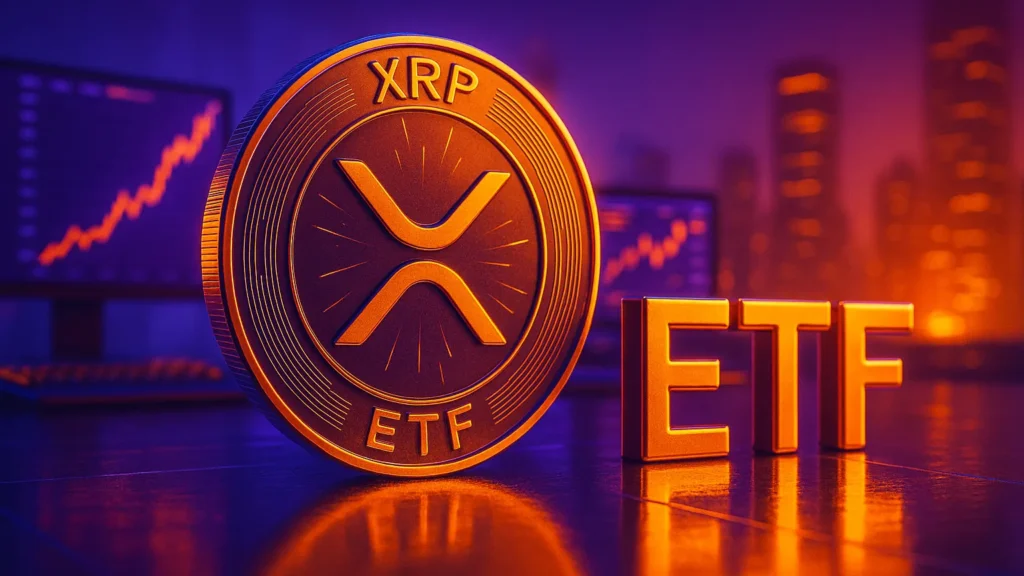
XRP ETF’s bereiken belangrijke mijlpaal: $1 miljard aan netto instroom

XRP ETF’s bereiken belangrijke mijlpaal: $1 miljard aan netto instroom

De markt voor crypto-exchange-traded funds (ETF’s) heeft opnieuw een belangrijke mijlpaal bereikt. XRP ETF’s hebben gezamenlijk meer dan 1 miljard dollar aan netto
Paylaş
Coinstats2025/12/16 21:01
XSGD And XUSD Launch On Solana’s Blazing Network In 2025

XSGD And XUSD Launch On Solana’s Blazing Network In 2025

The post XSGD And XUSD Launch On Solana’s Blazing Network In 2025 appeared on BitcoinEthereumNews.com. StraitsX Stablecoins Unleash Power: XSGD And XUSD Launch
Paylaş
BitcoinEthereumNews2025/12/16 20:59