The post Huawei, ZTE on the chopping block as Europe moves to drop Chinese tech appeared on BitcoinEthereumNews.com. Europe plans to achieve technological self-The post Huawei, ZTE on the chopping block as Europe moves to drop Chinese tech appeared on BitcoinEthereumNews.com. Europe plans to achieve technological self-

Huawei, ZTE on the chopping block as Europe moves to drop Chinese tech

2026/01/18 00:20
Okuma süresi: 3 dk

Europe plans to achieve technological self-reliance by phasing out “high-risk” Chinese suppliers and also by reducing its dependence on U.S. technology through the development of local alternatives.

The European Union is preparing to make it mandatory for products from Chinese technology companies to be permanently removed from the continent’s most sensitive infrastructure. 

However, that push could run into some turbulence as countries like Germany have set firm removal dates for 2026 and 2029, while others like Spain continue to sign multi-million euro contracts with Chinese firms for sensitive police hardware.

Is Chinese tech banned in the EU? 

The European Commission is set to propose a new Cybersecurity Act that aims to force all EU member states to replace equipment from “high-risk” vendors, like Huawei and ZTE.

This is due to Brussels’ goal of reducing its dependence on both Chinese suppliers and major U.S. tech companies. However, many member states, such as Spain, continue to deepen ties with these “high-risk” suppliers. 

It was revealed that Spain’s Ministry of the Interior signed a €12.3 million contract with Huawei in July 2025. The contract involves using Huawei’s OceanStor servers to store judicially authorized wiretaps used by Spanish intelligence and law enforcement. 

The United States officials have since warned that sharing intelligence with Spain could become a risk if sensitive police data is stored on Chinese-made hardware.

In April 2024, the EU attempted to reduce Chinese participation in its industries and conducted raids on the Chinese company, Nuctech’s offices in Poland and the Netherlands. 

In December 2025, the Commission opened an investigation into the company under the Foreign Subsidies Regulation, trying to determine whether or not Nuctech used state subsidies to underbid European rivals.

The EU is also investigating some Chinese wind turbine manufacturers, such as Ming Yang, to check if unfair subsidies are helping them dominate the renewable energy market.

Are the EU’s member states in support of a ban?

Germany has been the most reluctant major member state to ban Chinese equipment. This hesitation was due to the Chinese government warning for years that a ban on Huawei would lead to “consequences” for German businesses. The Chinese ambassador to Berlin previously suggested that Beijing could declare German cars “unsafe” in retaliation. 

However, in July 2024, Berlin finally reached an agreement with German operators under which they must strip all Huawei and ZTE parts from their “core” networks by the end of 2026. They will have until 2029 to remove them from “access” networks, such as cell towers. 

German regulator BNetzA released a new consultation paper early this year proposing reclassifying the entire Radio Access Network (RAN) as “critical.” This means that even the physical nuts and bolts of the towers may soon face the same strict bans as the software systems.

If the EU wants to avoid relying solely on U.S. tech, it is left with only two major local options, which are Sweden’s Ericsson and Finland’s Nokia. 

Beijing has consistently called Europe’s measures a violation of market principles and warned that removing their “quality and secure” equipment will only result in heavy financial losses for European citizens.

The smartest crypto minds already read our newsletter. Want in? Join them.

Source: https://www.cryptopolitan.com/europe-moves-to-drop-chinese-tech/

Piyasa Fırsatı
ZEAT Logosu
ZEAT Fiyatı(ZTE)
$0.0000006
$0.0000006$0.0000006
-68.42%
USD
ZEAT (ZTE) Canlı Fiyat Grafiği
Sorumluluk Reddi: Bu sitede yeniden yayınlanan makaleler, halka açık platformlardan alınmıştır ve yalnızca bilgilendirme amaçlıdır. MEXC'nin görüşlerini yansıtmayabilir. Tüm hakları telif sahiplerine aittir. Herhangi bir içeriğin üçüncü taraf haklarını ihlal ettiğini düşünüyorsanız, kaldırılması için lütfen service@support.mexc.com ile iletişime geçin. MEXC, içeriğin doğruluğu, eksiksizliği veya güncelliği konusunda hiçbir garanti vermez ve sağlanan bilgilere dayalı olarak alınan herhangi bir eylemden sorumlu değildir. İçerik, finansal, yasal veya diğer profesyonel tavsiye niteliğinde değildir ve MEXC tarafından bir tavsiye veya onay olarak değerlendirilmemelidir.

Ayrıca Şunları da Beğenebilirsiniz

Ex-Alipay UK Chief Eva Zhang to Lead Blockscout Into AI-Driven Growth

Ex-Alipay UK Chief Eva Zhang to Lead Blockscout Into AI-Driven Growth

Blockscout, the leading open-source block explorer for EVM chains, has appointed Eva Zhang, former CEO of Alipay UK, as its new chief executive officer.
Paylaş
Blockchainreporter2025/09/18 19:00
Gold price in Malaysia: Rates on February 16

Gold price in Malaysia: Rates on February 16

The post Gold price in Malaysia: Rates on February 16 appeared on BitcoinEthereumNews.com. Gold prices fell in Malaysia on Monday, according to data compiled by
Paylaş
BitcoinEthereumNews2026/02/16 13:21
U.S. Treasury Seeks Public Input on Game-Changing Stablecoin Regulations

U.S. Treasury Seeks Public Input on Game-Changing Stablecoin Regulations

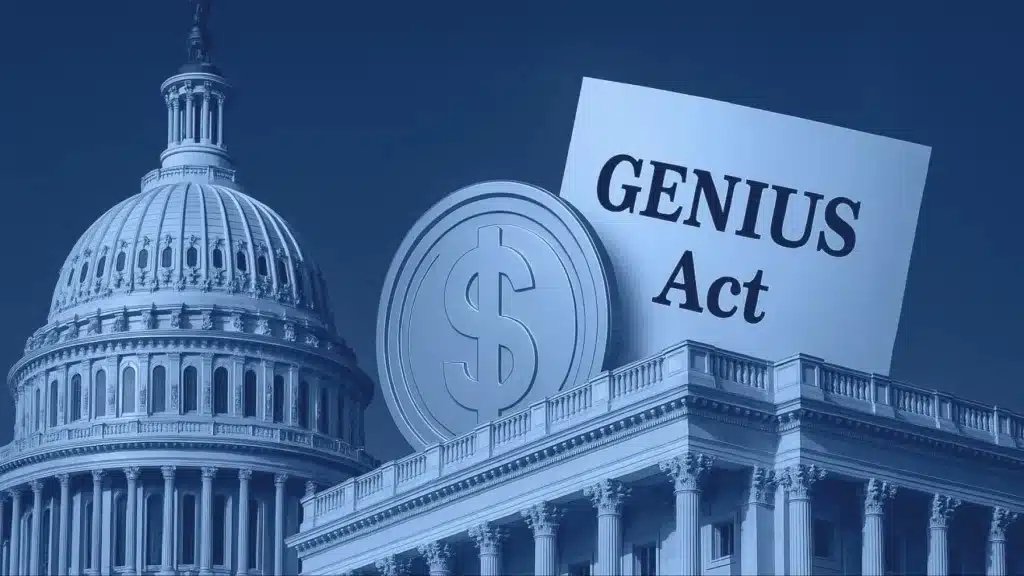
U.S. Treasury invites feedback on groundbreaking stablecoin regulations under GENIUS. Key questions around stablecoin tax treatment and foreign issuer rules. Treasury explores marketing restrictions, oversight balance, and AML enforcement options. The U.S. Treasury Department is now inviting public feedback on the implementation of the groundbreaking GENIUS Act, the first piece of crypto-specific legislation passed in the U.S. this summer. The new law is a milestone in terms of regulation of stablecoins, as the Treasury is aiming to balance the need to innovate and the aim of protecting consumers and monetary stability. According to Treasury officials, the GENIUS Act is designed to stimulate the growth of payment stablecoins while addressing potential risks related to illicit financial activities and maintaining overall economic stability. The department especially shows interest in the acquisition of data that could assist in refining the regulatory guidelines as it proceeds with the writing of its formal proposal. The commenting is active through the October 20 deadline, which gives both opponents and players in the industry time to express their views. One of the most pressing questions under consideration is how the IRS will handle the federal income tax treatment of stablecoins. The GENIUS Act does not directly cover this, and there is room to interpret and make decisions by regulation in the future. Also unclear is when and how foreign issuers can be allowed to offer stablecoins in the U.S., and it does not look like there is a timeline involved in making any changes. Also Read: Ripple Partners with DZ BANK to Launch Institutional Digital Asset Custody Solution Key Areas Under Scrutiny as Treasury Prepares Stablecoin Regulations Several key issues are currently up for discussion as part of the Treasury’s review of the GENIUS Act’s implementation. These include whether stablecoins should have certain marketing limitations, whether it should be at the state or federal level, and how the current anti-money laundering (AML) and sanctions policies will relate to digital assets. Moreover, the Treasury is analyzing how the current regulations, such as the Bank Secrecy Act (BSA), are capable of mitigating the risks of digital assets. This is after it was earlier sought to seek the views of people on the detection of illicit use in the digital asset markets. As the Treasury moves toward finalizing the regulations, it is clear that the department aims to craft a robust and flexible framework that can adapt to the evolving landscape of digital currencies. The outcome will have lasting implications for the future of stablecoin regulation in the U.S., shaping the path forward for both domestic and international players in the crypto space. Also Read: Shiba Inu Faces Major Selling Pressure as 157 Billion SHIB Floods Exchanges! The post U.S. Treasury Seeks Public Input on Game-Changing Stablecoin Regulations appeared first on 36Crypto.
Paylaş
Coinstats2025/09/20 17:22