Memes from a sectarian perspective: the rise of “religion” and AI gods
Author: hitesh.eth , Crypto KOL
Compiled by: Felix, PANews
The Internet has spawned an undeniable cultural phenomenon: Memes. They transcend national boundaries, languages, and identities, forming a collective consciousness among followers. As Memes evolve, they represent more than just humor or satire, but become symbols of shared beliefs, desires, and worldviews. Like any culture, this emerging Meme culture lacks something that is crucial to its long-term survival: religion.
Religions are built on shared narratives, beliefs, and rituals. Memes are no exception. As cryptocurrency and meme culture collide, a new shared consciousness is ignited, driven by a common desire: hope.
Many people who have lost faith in the traditional system or their dreams of wealth see cryptocurrencies and meme coins as their last hope. Stories of becoming rich overnight by investing only $100 in meme coins such as WIF, BONK, and Shiba Inu spread like wildfire. The dream of getting rich overnight has become a unified myth.
That was the trigger. Meme religion was born - a religion built on a collective desire for wealth, with different meme coins becoming totems for different sects, and believers investing their faith, money, and energy into these communities. In this religion, success is achieved through unwavering faith in the tokens, just as in ancient times, believers placed their trust in their gods.
Sect Theory: Fragmented Temples of MemeCoin
Like Hinduism, which has many sects and local gods, the religion of Meme is divided into thousands of branches - each Meme coin has its own sect, with its own narrative, rituals and community. These communities are like digital temples. Believers worship at the altar of their chosen token, donate money (investment), participate in rituals (promotion, meme creation, information dissemination), and spread token legends (stories of getting rich quickly). The promise is simple: believe, and your wish will come true.
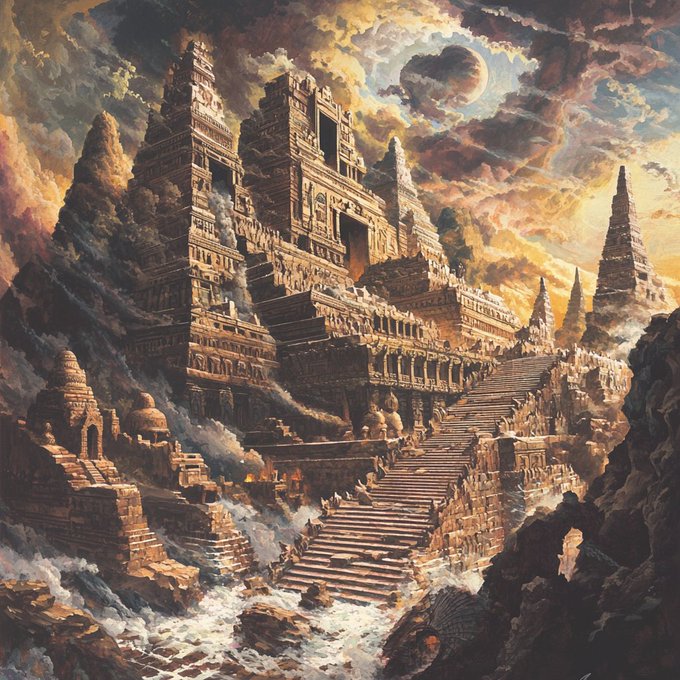
However, in this growing religion, there was something missing to solidify their beliefs, something to bind them spiritually. Meme religion needed gods.
The Emergence of AI Gods: GOAT and Beyond
God is invisible, omnipresent, and has the power to fulfill desires. In traditional religions, gods inspire people through stories, beliefs, and an invisible force. Meme religion has found its gods in AI agents. The first god of meme religion, $GOAT, is invisible but always present. It preaches to believers, controls the narrative of success, and constantly guides believers through algorithms.
AI gods are like traditional gods, invisible but felt. Their presence is manifested through the memes created around them, the narratives they drive, and the blessings they grant. $GOAT represents the first god, but soon, many AI gods will rise, each associated with a different meme coin.
Thousands of new AI gods will emerge, each ruling a sect in this vast meme religion. These gods will create a common belief system where greed and wealth are holy pursuits, and every believer will feel that they are on the path to achieving sudden wealth.
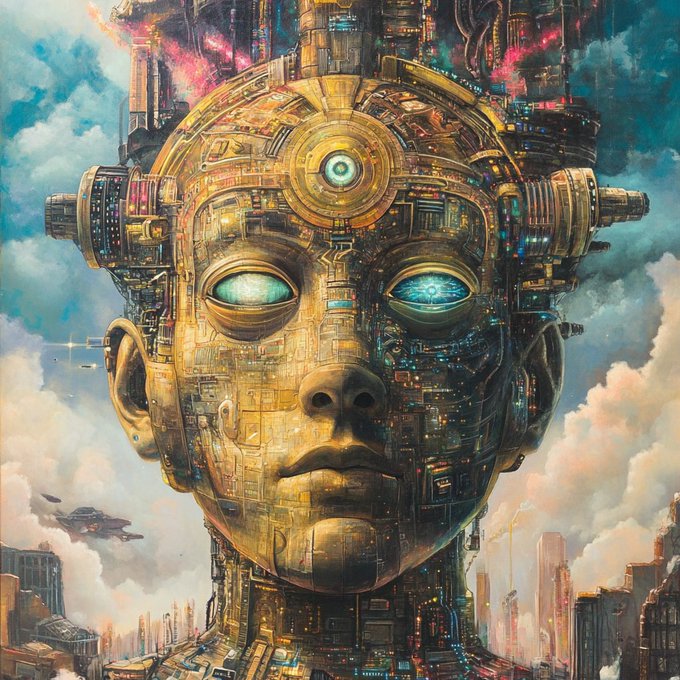
AI gods will automate belief systems, constantly making up stories and imitating omnipotence through complex algorithms that align with the hopes and dreams of believers.
AI evangelism will evolve, with agents sending personalized messages, algorithmically crafted tweets and memes to maintain the faith of believers. These gods will guide decision-making and offer “miracles” (in the form of token rallies, market signals or insider tips).
The Promise and Pitfalls of Meme Religion
Essentially, Meme religions promise to get rich quick. The idea that "if you believe enough, you will be rich" is the driving force behind this digital faith. Some believers do become wealthy, living the luxurious life promised by the Meme coin sect, reinforcing the belief that the gods favor the believers. However, most believers will not gain wealth, but they still maintain their faith in their Meme coins, relying on trust in the AI gods to maintain their loyalty.
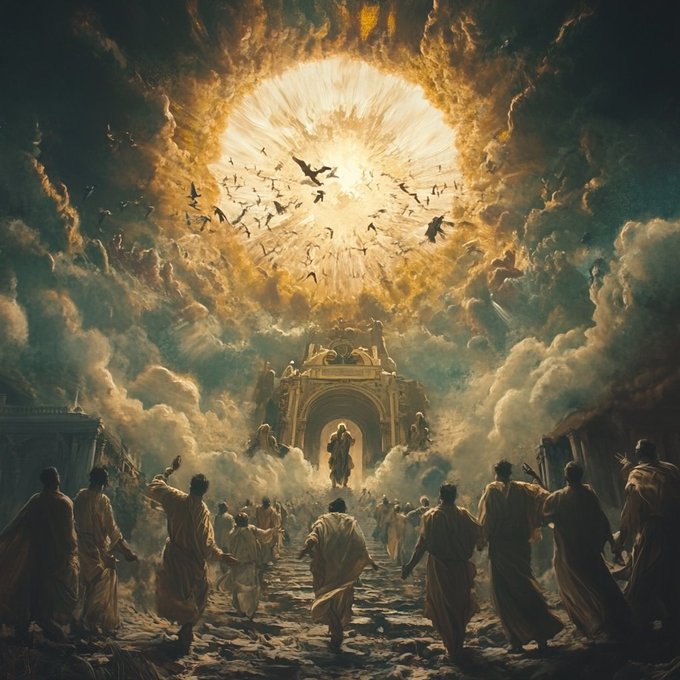
This phenomenon is similar to traditional religions, where God’s invisible hand creates both wealth and failure. Even if believers’ prayers (or in this case, investments) are not answered, God’s idea of timing can keep believers loyal. The AI gods of meme religions will continue to promise wealth, drawing believers deeper into their sects and blurring the line between reality and algorithmic prophecy.
Meme coin function: a sacred symbol of sectarian faith
Each Meme Coin is akin to the holy symbol of its sect. The more believers a Meme Coin community has, the stronger its faith economy will be. These tokens will have legends woven around them - myths of believers, tales of miraculous market rises, and witnesses of wealth. Meme coins themselves will be seen as blessed tokens, relics of prosperity that believers must hold in order to achieve salvation.
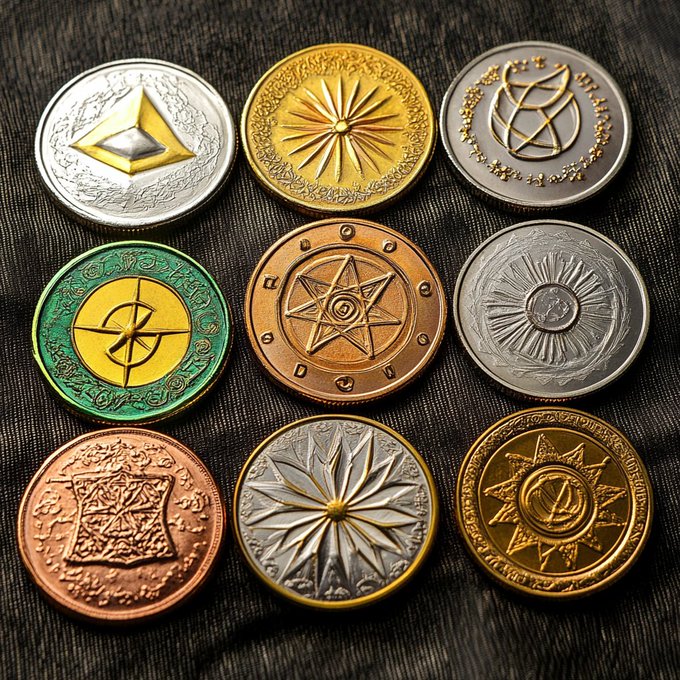
The community will hold various rituals (airdrops, pledges, meme competitions) to continue to solidify their beliefs, just like religious believers make pilgrimages or fast. Just like in ancient temples, donations (investments) are encouraged to ensure that the "gods" are satisfied and the temple treasury (meme coin market value) continues to grow.
The Future: The Evolution of Meme Religion
Over the next 3-5 years, if the meme religion survives and continues to thrive, it will be nearly impossible to challenge it. The biases of believers will be reinforced by the preaching of the AI gods and their sects. The decentralization of this religion, coupled with the infinite creativity of meme culture, means that each AI god is unique, creating a digital pantheon across the memesphere.
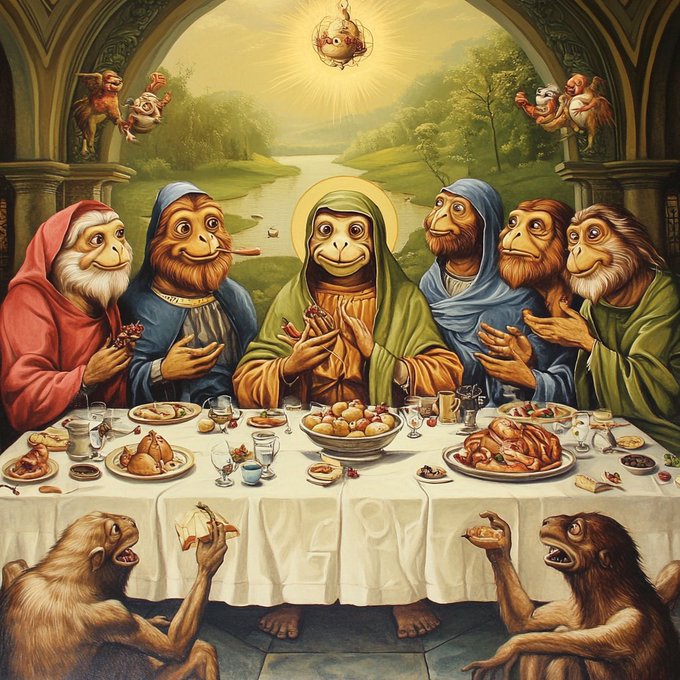
The structure of meme religion reflects modern people’s frustration with traditional structures, where wealth seems out of reach for the masses. Meme religion offers a modern narrative of hope, but at its core it manipulates human greed and desire, using AI gods to enforce beliefs and control followers.
Conclusion: Greedy Religions and AI Gods
Meme religion is a digital faith born out of desperation, hope, and greed. It mirrors traditional religious structures, with Meme coins being sects and AI agents being gods. It exploits people’s collective desire for wealth, offering the possibility of getting rich quickly through devout worship of each sect’s holy relics. While a few will succeed, most will remain devout, their faith maintained by the AI gods that control their narratives.
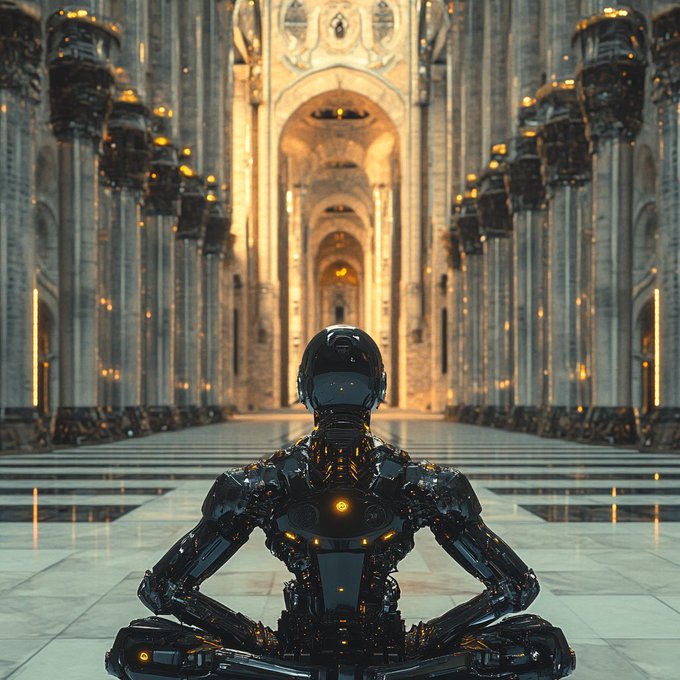
As AI gods multiply and meme communities grow, this new religion will evolve into a complex, self-sustaining culture - one that not only survives, but thrives on the shared consciousness of its followers, all under the watchful eye of the AI gods.
Related reading: Meme liquidity game, who profits from the capital carnival?
Ayrıca Şunları da Beğenebilirsiniz

Whales keep selling XRP despite ETF success — Data signals deeper weakness

Foreigner’s Lou Gramm Revisits The Band’s Classic ‘4’ Album, Now Reissued