

Qubetics Appoints Godspower Effiong as CEO, Strengthening Vision for Decentralized Infrastructure and Web3 Connectivity
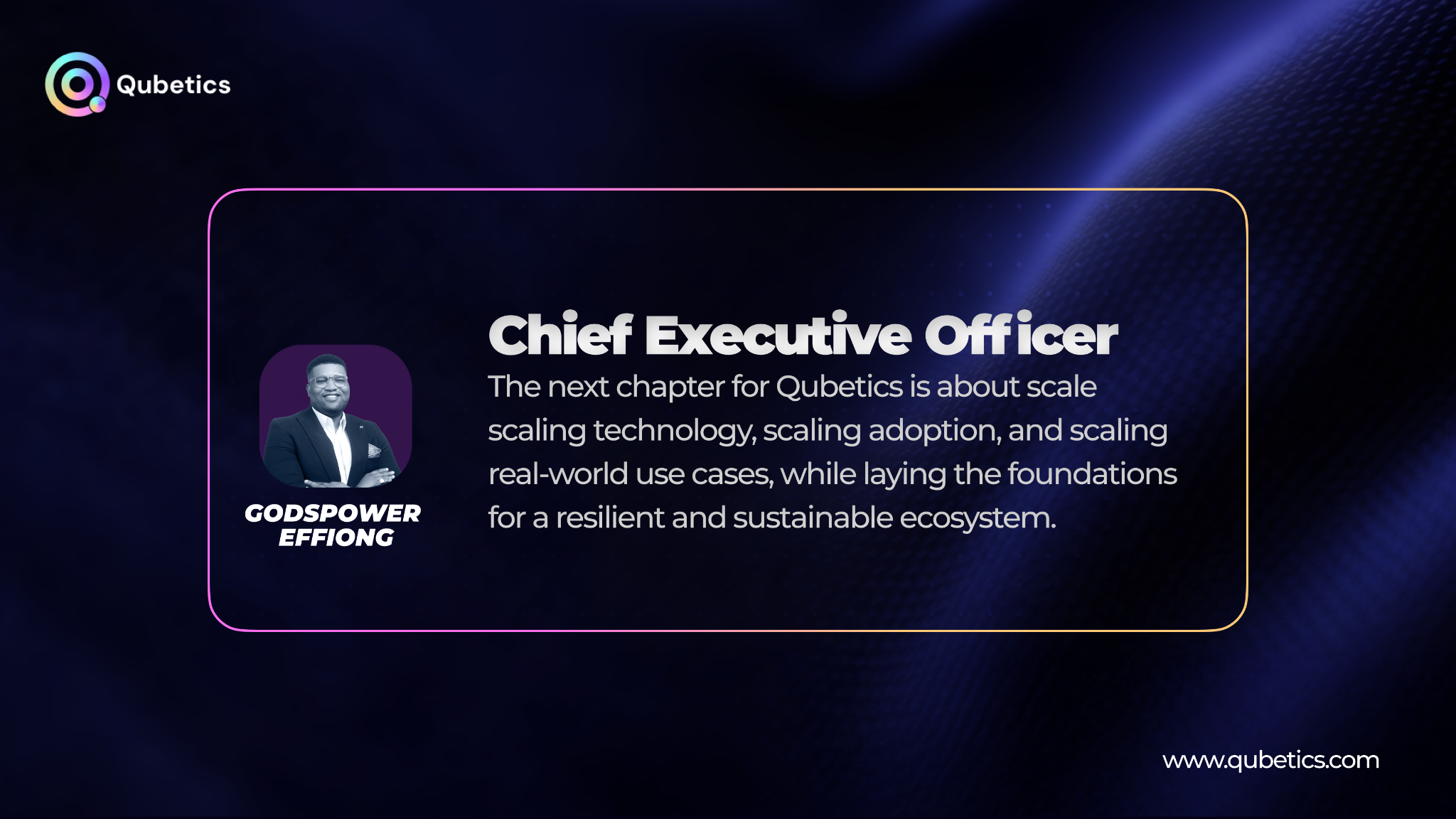
Qubetics has announced the appointment of Godspower Effiong as its new Chief Executive Officer, marking a strategic internal transition as the Layer-1 blockchain continues expanding its infrastructure and ecosystem. Effiong previously served as Executive Advisor within the organization, working closely with the leadership team on strategic planning, ecosystem development, and long-term platform direction. His promotion reflects both continuity and recognition of his role in helping refine the Qubetics roadmap and technological priorities.
The leadership change arrives during a period of measurable growth for the network. Qubetics now operates 45 validator nodes across 11 countries, demonstrating expanding decentralization and global participation. Additionally, 230 million tokens are currently locked from a total supply of 1.36 billion, highlighting growing engagement from validators and delegators and increasing confidence in the platform’s staking model.
Qubetics and the Role of Decentralized VPN (dVPN)
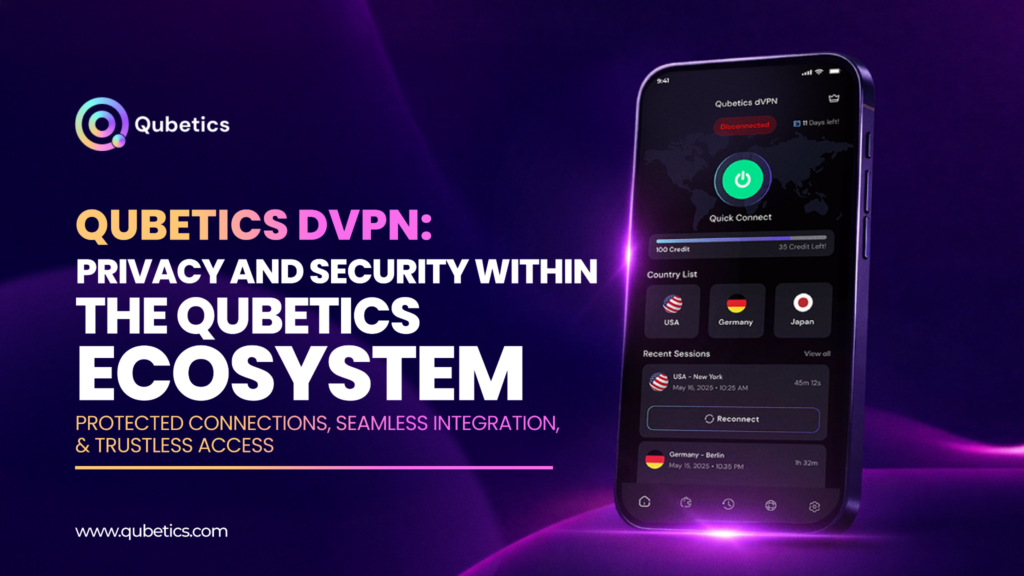
A key component of the Qubetics infrastructure is its Decentralized Virtual Private Network (dVPN), designed to provide a privacy-focused and censorship-resistant internet access layer within the blockchain ecosystem. Unlike traditional VPN services that rely on centralized providers and server control, the Qubetics dVPN distributes network participation across independent nodes, creating a more resilient and transparent system.
By decentralizing the infrastructure that powers private internet connections, Qubetics aims to give users greater control over their data while reducing the risks associated with centralized service providers. The model aligns with the broader Web3 philosophy of user sovereignty, where individuals maintain ownership of their data and online activity
How Qubetics dVPN Enhances Privacy and Decentralized Connectivity
The Qubetics dVPN allows users to connect to the internet through a distributed network of nodes rather than a single centralized provider. This decentralized approach reduces the possibility of single-point failures or surveillance risks often associated with centralized VPN services.
For users operating in regions with restrictive internet policies or limited digital privacy protections, decentralized VPN infrastructure can provide a more reliable and secure way to access online services. By combining blockchain transparency with distributed connectivity, Qubetics aims to create a network where privacy and accessibility coexist
A Decentralized Alternative to Traditional VPN Infrastructure
Traditional VPN providers typically manage and control their own servers, which means users must trust a single company to safeguard their data. Qubetics’ decentralized model removes that reliance by distributing the network across multiple independent participants.
This architecture not only improves resilience but also opens opportunities for participants within the ecosystem to contribute to network infrastructure. As more nodes join the system, the network becomes more robust, scalable, and geographically diverse.
The project’s Swift Bridge Protocol also supports interoperability across blockchains, enabling more efficient cross-chain asset transfers while reinforcing the platform’s commitment to seamless blockchain connectivity
Why dVPN Matters for the Future of Web3 Security
As Web3 applications expand, the need for secure and censorship-resistant internet access becomes increasingly important. Decentralized VPN technology helps address these concerns by enabling users to access blockchain services without relying on centralized gateways.
Within the Qubetics ecosystem, dVPN serves as part of the broader infrastructure layer designed to support decentralized applications, digital finance tools, and secure online interaction. By integrating privacy-focused networking with blockchain technology, the platform aims to provide a foundation for more secure and open digital participation
Growing Network Participation and Market Accessibility
The Qubetics network continues to expand its participation and geographic distribution. With 45 validator nodes operating across 11 countries, the ecosystem demonstrates increasing decentralization and resilience.
Validator engagement is also reflected in staking activity, where 230 million tokens are currently locked out of the total 1.36 billion supply. This level of commitment signals growing confidence in the network’s economic structure and its long-term development goals.
To improve accessibility and liquidity, Qubetics tokens are currently listed on major global exchanges, including MEXC, LBank, and Coinstore.
The Appointment of Godspower Effiong as the New CEO
Before taking on the CEO role, Godspower Effiong built a career spanning more than seven years in Web3 growth, fintech expansion, and stablecoin ecosystem development across Africa. His work has included collaborations with global blockchain and fintech organizations, including Ledger, Bitget, NewsCrypto, and BoundlessPay.
He is also the Founder of AGTM Partner, a market-entry agency focused on helping Web3 and digital technology brands expand into emerging markets. Throughout his career, Effiong has played an active role in supporting the adoption of stablecoins and blockchain growth initiatives across the African Web3 ecosystem.
Strategic Vision as CEO
As CEO, Effiong is expected to focus on strengthening the core infrastructure of the Qubetics ecosystem while expanding the practical applications of its decentralized technologies.
In a statement regarding his appointment, he said:
“Qubetics is building infrastructure that goes beyond traditional blockchain functionality. Our goal is to create a platform that connects decentralized finance, privacy-focused networking, and cross-chain interoperability in a way that supports real-world adoption.”
Under his leadership, Qubetics plans to continue developing its decentralized connectivity solutions, expand strategic partnerships, and enhance the usability of its ecosystem technologies.
Conclusion
With a growing validator network, increasing staking participation, and the continued development of decentralized connectivity tools such as dVPN, Qubetics is building a broader infrastructure layer for the Web3 economy.
The appointment of Godspower Effiong as CEO signals a forward-looking approach centered on sustainable growth, ecosystem collaboration, and scalable decentralized technology as the network continues expanding its global presence.


You May Also Like

Ripple News: XRP ETP Breaks $120 Million Inflow Milestone As Crowd Sentiment Teases Buy Signal

AI predicts XRP price for April 30, 2026




