BitcoinWorld Revolutionary XRP Stablecoin Protocol Unveiled by Enosys The world of decentralized finance (DeFi) is constantly evolving, bringing forth innovative solutions that bridge traditional finance with the crypto ecosystem. A significant development is now capturing attention: Enosys, a prominent Flare-based DeFi protocol, has officially launched a pioneering XRP stablecoin protocol. This move is set to unlock new avenues for XRP holders and reshape how stability is perceived within the DeFi space. Introducing the Groundbreaking XRP Stablecoin Protocol Enosys’s new protocol marks a pivotal moment for the XRP community and the broader DeFi landscape. CryptoBriefing initially reported this exciting launch, highlighting the core mechanism: the stablecoin is collateralized by XRP itself. This isn’t just another stablecoin; it’s a strategic integration designed to leverage XRP’s potential within a decentralized framework. For those unfamiliar, Flare is a high-performance blockchain network focused on bringing smart contract capabilities to various cryptocurrencies, including XRP, that do not natively support them. Enosys, built on this network, is now enabling users to mint a new stablecoin. This is achieved by depositing FXRP, which is the wrapped version of XRP on the Flare network. FXRP acts as the bridge, allowing XRP to participate in Flare’s DeFi ecosystem. This initiative showcases the power of interoperability, allowing an asset like XRP to gain new functionalities and integrate seamlessly into the burgeoning world of DeFi applications. It’s a testament to the growing demand for diverse collateral options beyond established assets like Ethereum or Bitcoin. How Does XRP Collateralization Work? Understanding the mechanics behind this XRP stablecoin is key to appreciating its value and security. The process is designed to be straightforward yet robust, ensuring user confidence and protocol stability: Acquiring FXRP: Before minting, users need to wrap their native XRP into FXRP on the Flare network. This process is typically facilitated through secure bridging mechanisms. Depositing FXRP as Collateral: Users then deposit their FXRP into the Enosys stablecoin protocol. This FXRP acts as the backing for the stablecoin they wish to mint. Minting the Stablecoin: Upon successful deposit, users can mint the Enosys stablecoin, which is pegged to a fiat currency (e.g., 1:1 with the US Dollar). To safeguard against market volatility, the value of the deposited FXRP collateral usually exceeds the value of the stablecoin minted (overcollateralization). This buffer helps absorb potential price drops in XRP. Utilizing the Stablecoin: The newly minted stablecoin can then be used across various DeFi applications on Flare, such as lending, borrowing, trading, or payments, all while maintaining exposure to their underlying XRP. Redemption Process: When users wish to retrieve their original FXRP, they simply repay the minted stablecoin plus any accrued fees. This burns the stablecoin and releases their FXRP collateral, completing the cycle. This mechanism provides a capital-efficient way for XRP holders to unlock liquidity from their assets without needing to sell them, offering flexibility and new strategic opportunities within DeFi. What Are the Benefits and Implications of This XRP Stablecoin? The launch of an XRP stablecoin protocol by Enosys brings several significant advantages and implications, not just for individual users but for the broader cryptocurrency market: Enhanced Liquidity and Utility for XRP: This protocol significantly boosts XRP’s utility. Holders can now use their XRP as productive collateral in DeFi, accessing stablecoin liquidity without divesting their core asset. This can lead to increased demand and new use cases for XRP. Stability in a Volatile Market: The stablecoin offers users a reliable medium of exchange, shielded from the inherent volatility of cryptocurrencies. This stability is crucial for payments, remittances, and long-term financial planning within the decentralized world, particularly for those looking to avoid frequent conversions to fiat. Broader DeFi Integration: This development firmly embeds XRP within the decentralized finance landscape. It opens doors for XRP to interact with a wider array of DeFi applications and protocols on the Flare network, fostering greater interoperability and innovation. Showcasing Flare’s Potential: The successful deployment of such a complex protocol highlights the robust capabilities of the Flare network as a platform for sophisticated DeFi solutions. This can attract more developers, projects, and users to its ecosystem, driving further growth. New Financial Primitives: By creating an XRP-backed stablecoin, Enosys is introducing a new financial primitive that can be composed with other DeFi protocols, leading to novel financial products and services. While the benefits are clear, it is important for users to understand the risks associated with collateralized debt positions, such as liquidation risk if the collateral value drops significantly. However, the foundational design aims to mitigate these risks through established DeFi best practices like overcollateralization and transparent oracle feeds for price data. Navigating the Future of Decentralized Finance with XRP The introduction of the Enosys XRP stablecoin protocol represents a forward-thinking step in the evolution of decentralized finance. It exemplifies how specific cryptocurrencies, often seen as payment-focused, can be integrated into sophisticated DeFi structures, offering both stability and utility. This protocol not only empowers XRP holders but also enriches the entire Flare ecosystem by adding a crucial financial primitive. This innovation aligns with the broader trend of expanding collateral options in DeFi, moving beyond just a few dominant assets. It signifies a maturation of the ecosystem, where more diverse assets can unlock their potential value in a decentralized, permissionless manner. As the DeFi space continues to mature, solutions like Enosys’s XRP-collateralized stablecoin will play a vital role in expanding accessibility and fostering greater financial inclusion. It’s a testament to the ongoing innovation that drives the crypto market forward, creating new possibilities for digital assets. Conclusion: A New Horizon for XRP in DeFi Enosys’s launch of an XRP-collateralized stablecoin protocol is more than just a new product; it’s a significant milestone for both XRP and the Flare network. By providing a secure and innovative way to leverage XRP’s value for stability and liquidity, Enosys is paving the way for enhanced utility and broader adoption within decentralized finance. This development underscores the dynamic potential of the crypto world to continuously innovate and create value for its users, marking a truly exciting chapter for the future of digital assets. Frequently Asked Questions (FAQs) Q1: What is Enosys? A1: Enosys is a decentralized finance (DeFi) protocol built on the Flare network. It aims to bring advanced financial services, such as stablecoin minting, to various cryptocurrencies. Q2: What is FXRP? A2: FXRP is the wrapped version of XRP on the Flare network. It allows native XRP to be utilized within Flare’s smart contract ecosystem, enabling participation in DeFi protocols like Enosys. Q3: How is the Enosys stablecoin collateralized? A3: The Enosys stablecoin is collateralized by FXRP. Users deposit FXRP into the protocol to mint the stablecoin, with the FXRP acting as a secure backing for the stable asset. Q4: What are the main benefits for XRP holders using this protocol? A4: XRP holders can unlock liquidity from their assets without selling them, gain access to a stable medium of exchange for DeFi activities, and increase XRP’s utility within the broader decentralized finance ecosystem. Q5: Are there risks associated with using an XRP-collateralized stablecoin protocol? A5: Yes, like all DeFi protocols, there are risks, primarily liquidation risk if the value of the FXRP collateral drops significantly below the required ratio. However, overcollateralization and robust protocol design aim to mitigate these risks. If you found this article insightful and believe it sheds light on crucial developments in the crypto space, please consider sharing it with your network! Your support helps us continue delivering valuable content and fostering a more informed cryptocurrency community. Share this article on your favorite social media platforms! To learn more about the latest crypto market trends, explore our article on key developments shaping DeFi institutional adoption. This post Revolutionary XRP Stablecoin Protocol Unveiled by Enosys first appeared on BitcoinWorld.BitcoinWorld Revolutionary XRP Stablecoin Protocol Unveiled by Enosys The world of decentralized finance (DeFi) is constantly evolving, bringing forth innovative solutions that bridge traditional finance with the crypto ecosystem. A significant development is now capturing attention: Enosys, a prominent Flare-based DeFi protocol, has officially launched a pioneering XRP stablecoin protocol. This move is set to unlock new avenues for XRP holders and reshape how stability is perceived within the DeFi space. Introducing the Groundbreaking XRP Stablecoin Protocol Enosys’s new protocol marks a pivotal moment for the XRP community and the broader DeFi landscape. CryptoBriefing initially reported this exciting launch, highlighting the core mechanism: the stablecoin is collateralized by XRP itself. This isn’t just another stablecoin; it’s a strategic integration designed to leverage XRP’s potential within a decentralized framework. For those unfamiliar, Flare is a high-performance blockchain network focused on bringing smart contract capabilities to various cryptocurrencies, including XRP, that do not natively support them. Enosys, built on this network, is now enabling users to mint a new stablecoin. This is achieved by depositing FXRP, which is the wrapped version of XRP on the Flare network. FXRP acts as the bridge, allowing XRP to participate in Flare’s DeFi ecosystem. This initiative showcases the power of interoperability, allowing an asset like XRP to gain new functionalities and integrate seamlessly into the burgeoning world of DeFi applications. It’s a testament to the growing demand for diverse collateral options beyond established assets like Ethereum or Bitcoin. How Does XRP Collateralization Work? Understanding the mechanics behind this XRP stablecoin is key to appreciating its value and security. The process is designed to be straightforward yet robust, ensuring user confidence and protocol stability: Acquiring FXRP: Before minting, users need to wrap their native XRP into FXRP on the Flare network. This process is typically facilitated through secure bridging mechanisms. Depositing FXRP as Collateral: Users then deposit their FXRP into the Enosys stablecoin protocol. This FXRP acts as the backing for the stablecoin they wish to mint. Minting the Stablecoin: Upon successful deposit, users can mint the Enosys stablecoin, which is pegged to a fiat currency (e.g., 1:1 with the US Dollar). To safeguard against market volatility, the value of the deposited FXRP collateral usually exceeds the value of the stablecoin minted (overcollateralization). This buffer helps absorb potential price drops in XRP. Utilizing the Stablecoin: The newly minted stablecoin can then be used across various DeFi applications on Flare, such as lending, borrowing, trading, or payments, all while maintaining exposure to their underlying XRP. Redemption Process: When users wish to retrieve their original FXRP, they simply repay the minted stablecoin plus any accrued fees. This burns the stablecoin and releases their FXRP collateral, completing the cycle. This mechanism provides a capital-efficient way for XRP holders to unlock liquidity from their assets without needing to sell them, offering flexibility and new strategic opportunities within DeFi. What Are the Benefits and Implications of This XRP Stablecoin? The launch of an XRP stablecoin protocol by Enosys brings several significant advantages and implications, not just for individual users but for the broader cryptocurrency market: Enhanced Liquidity and Utility for XRP: This protocol significantly boosts XRP’s utility. Holders can now use their XRP as productive collateral in DeFi, accessing stablecoin liquidity without divesting their core asset. This can lead to increased demand and new use cases for XRP. Stability in a Volatile Market: The stablecoin offers users a reliable medium of exchange, shielded from the inherent volatility of cryptocurrencies. This stability is crucial for payments, remittances, and long-term financial planning within the decentralized world, particularly for those looking to avoid frequent conversions to fiat. Broader DeFi Integration: This development firmly embeds XRP within the decentralized finance landscape. It opens doors for XRP to interact with a wider array of DeFi applications and protocols on the Flare network, fostering greater interoperability and innovation. Showcasing Flare’s Potential: The successful deployment of such a complex protocol highlights the robust capabilities of the Flare network as a platform for sophisticated DeFi solutions. This can attract more developers, projects, and users to its ecosystem, driving further growth. New Financial Primitives: By creating an XRP-backed stablecoin, Enosys is introducing a new financial primitive that can be composed with other DeFi protocols, leading to novel financial products and services. While the benefits are clear, it is important for users to understand the risks associated with collateralized debt positions, such as liquidation risk if the collateral value drops significantly. However, the foundational design aims to mitigate these risks through established DeFi best practices like overcollateralization and transparent oracle feeds for price data. Navigating the Future of Decentralized Finance with XRP The introduction of the Enosys XRP stablecoin protocol represents a forward-thinking step in the evolution of decentralized finance. It exemplifies how specific cryptocurrencies, often seen as payment-focused, can be integrated into sophisticated DeFi structures, offering both stability and utility. This protocol not only empowers XRP holders but also enriches the entire Flare ecosystem by adding a crucial financial primitive. This innovation aligns with the broader trend of expanding collateral options in DeFi, moving beyond just a few dominant assets. It signifies a maturation of the ecosystem, where more diverse assets can unlock their potential value in a decentralized, permissionless manner. As the DeFi space continues to mature, solutions like Enosys’s XRP-collateralized stablecoin will play a vital role in expanding accessibility and fostering greater financial inclusion. It’s a testament to the ongoing innovation that drives the crypto market forward, creating new possibilities for digital assets. Conclusion: A New Horizon for XRP in DeFi Enosys’s launch of an XRP-collateralized stablecoin protocol is more than just a new product; it’s a significant milestone for both XRP and the Flare network. By providing a secure and innovative way to leverage XRP’s value for stability and liquidity, Enosys is paving the way for enhanced utility and broader adoption within decentralized finance. This development underscores the dynamic potential of the crypto world to continuously innovate and create value for its users, marking a truly exciting chapter for the future of digital assets. Frequently Asked Questions (FAQs) Q1: What is Enosys? A1: Enosys is a decentralized finance (DeFi) protocol built on the Flare network. It aims to bring advanced financial services, such as stablecoin minting, to various cryptocurrencies. Q2: What is FXRP? A2: FXRP is the wrapped version of XRP on the Flare network. It allows native XRP to be utilized within Flare’s smart contract ecosystem, enabling participation in DeFi protocols like Enosys. Q3: How is the Enosys stablecoin collateralized? A3: The Enosys stablecoin is collateralized by FXRP. Users deposit FXRP into the protocol to mint the stablecoin, with the FXRP acting as a secure backing for the stable asset. Q4: What are the main benefits for XRP holders using this protocol? A4: XRP holders can unlock liquidity from their assets without selling them, gain access to a stable medium of exchange for DeFi activities, and increase XRP’s utility within the broader decentralized finance ecosystem. Q5: Are there risks associated with using an XRP-collateralized stablecoin protocol? A5: Yes, like all DeFi protocols, there are risks, primarily liquidation risk if the value of the FXRP collateral drops significantly below the required ratio. However, overcollateralization and robust protocol design aim to mitigate these risks. If you found this article insightful and believe it sheds light on crucial developments in the crypto space, please consider sharing it with your network! Your support helps us continue delivering valuable content and fostering a more informed cryptocurrency community. Share this article on your favorite social media platforms! To learn more about the latest crypto market trends, explore our article on key developments shaping DeFi institutional adoption. This post Revolutionary XRP Stablecoin Protocol Unveiled by Enosys first appeared on BitcoinWorld.

Revolutionary XRP Stablecoin Protocol Unveiled by Enosys

BitcoinWorld
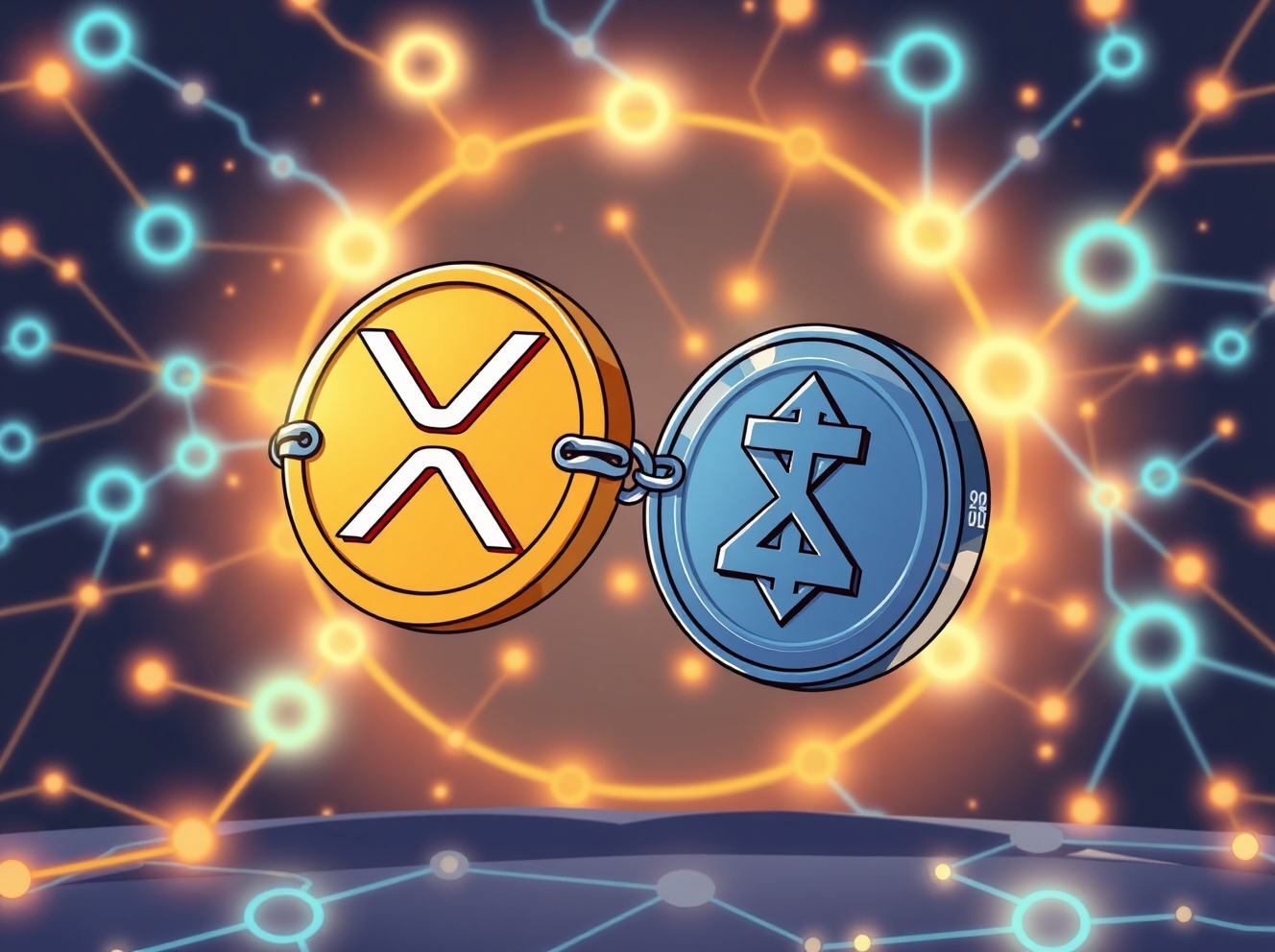
Revolutionary XRP Stablecoin Protocol Unveiled by Enosys

The world of decentralized finance (DeFi) is constantly evolving, bringing forth innovative solutions that bridge traditional finance with the crypto ecosystem. A significant development is now capturing attention: Enosys, a prominent Flare-based DeFi protocol, has officially launched a pioneering XRP stablecoin protocol. This move is set to unlock new avenues for XRP holders and reshape how stability is perceived within the DeFi space.

Introducing the Groundbreaking XRP Stablecoin Protocol

Enosys’s new protocol marks a pivotal moment for the XRP community and the broader DeFi landscape. CryptoBriefing initially reported this exciting launch, highlighting the core mechanism: the stablecoin is collateralized by XRP itself. This isn’t just another stablecoin; it’s a strategic integration designed to leverage XRP’s potential within a decentralized framework.

For those unfamiliar, Flare is a high-performance blockchain network focused on bringing smart contract capabilities to various cryptocurrencies, including XRP, that do not natively support them. Enosys, built on this network, is now enabling users to mint a new stablecoin. This is achieved by depositing FXRP, which is the wrapped version of XRP on the Flare network. FXRP acts as the bridge, allowing XRP to participate in Flare’s DeFi ecosystem.

This initiative showcases the power of interoperability, allowing an asset like XRP to gain new functionalities and integrate seamlessly into the burgeoning world of DeFi applications. It’s a testament to the growing demand for diverse collateral options beyond established assets like Ethereum or Bitcoin.

How Does XRP Collateralization Work?

Understanding the mechanics behind this XRP stablecoin is key to appreciating its value and security. The process is designed to be straightforward yet robust, ensuring user confidence and protocol stability:

  • Acquiring FXRP: Before minting, users need to wrap their native XRP into FXRP on the Flare network. This process is typically facilitated through secure bridging mechanisms.
  • Depositing FXRP as Collateral: Users then deposit their FXRP into the Enosys stablecoin protocol. This FXRP acts as the backing for the stablecoin they wish to mint.
  • Minting the Stablecoin: Upon successful deposit, users can mint the Enosys stablecoin, which is pegged to a fiat currency (e.g., 1:1 with the US Dollar). To safeguard against market volatility, the value of the deposited FXRP collateral usually exceeds the value of the stablecoin minted (overcollateralization). This buffer helps absorb potential price drops in XRP.
  • Utilizing the Stablecoin: The newly minted stablecoin can then be used across various DeFi applications on Flare, such as lending, borrowing, trading, or payments, all while maintaining exposure to their underlying XRP.
  • Redemption Process: When users wish to retrieve their original FXRP, they simply repay the minted stablecoin plus any accrued fees. This burns the stablecoin and releases their FXRP collateral, completing the cycle.

This mechanism provides a capital-efficient way for XRP holders to unlock liquidity from their assets without needing to sell them, offering flexibility and new strategic opportunities within DeFi.

What Are the Benefits and Implications of This XRP Stablecoin?

The launch of an XRP stablecoin protocol by Enosys brings several significant advantages and implications, not just for individual users but for the broader cryptocurrency market:

  • Enhanced Liquidity and Utility for XRP: This protocol significantly boosts XRP’s utility. Holders can now use their XRP as productive collateral in DeFi, accessing stablecoin liquidity without divesting their core asset. This can lead to increased demand and new use cases for XRP.
  • Stability in a Volatile Market: The stablecoin offers users a reliable medium of exchange, shielded from the inherent volatility of cryptocurrencies. This stability is crucial for payments, remittances, and long-term financial planning within the decentralized world, particularly for those looking to avoid frequent conversions to fiat.
  • Broader DeFi Integration: This development firmly embeds XRP within the decentralized finance landscape. It opens doors for XRP to interact with a wider array of DeFi applications and protocols on the Flare network, fostering greater interoperability and innovation.
  • Showcasing Flare’s Potential: The successful deployment of such a complex protocol highlights the robust capabilities of the Flare network as a platform for sophisticated DeFi solutions. This can attract more developers, projects, and users to its ecosystem, driving further growth.
  • New Financial Primitives: By creating an XRP-backed stablecoin, Enosys is introducing a new financial primitive that can be composed with other DeFi protocols, leading to novel financial products and services.

While the benefits are clear, it is important for users to understand the risks associated with collateralized debt positions, such as liquidation risk if the collateral value drops significantly. However, the foundational design aims to mitigate these risks through established DeFi best practices like overcollateralization and transparent oracle feeds for price data.

The introduction of the Enosys XRP stablecoin protocol represents a forward-thinking step in the evolution of decentralized finance. It exemplifies how specific cryptocurrencies, often seen as payment-focused, can be integrated into sophisticated DeFi structures, offering both stability and utility. This protocol not only empowers XRP holders but also enriches the entire Flare ecosystem by adding a crucial financial primitive.

This innovation aligns with the broader trend of expanding collateral options in DeFi, moving beyond just a few dominant assets. It signifies a maturation of the ecosystem, where more diverse assets can unlock their potential value in a decentralized, permissionless manner. As the DeFi space continues to mature, solutions like Enosys’s XRP-collateralized stablecoin will play a vital role in expanding accessibility and fostering greater financial inclusion. It’s a testament to the ongoing innovation that drives the crypto market forward, creating new possibilities for digital assets.

Conclusion: A New Horizon for XRP in DeFi

Enosys’s launch of an XRP-collateralized stablecoin protocol is more than just a new product; it’s a significant milestone for both XRP and the Flare network. By providing a secure and innovative way to leverage XRP’s value for stability and liquidity, Enosys is paving the way for enhanced utility and broader adoption within decentralized finance. This development underscores the dynamic potential of the crypto world to continuously innovate and create value for its users, marking a truly exciting chapter for the future of digital assets.

Frequently Asked Questions (FAQs)

Q1: What is Enosys?
A1: Enosys is a decentralized finance (DeFi) protocol built on the Flare network. It aims to bring advanced financial services, such as stablecoin minting, to various cryptocurrencies.

Q2: What is FXRP?
A2: FXRP is the wrapped version of XRP on the Flare network. It allows native XRP to be utilized within Flare’s smart contract ecosystem, enabling participation in DeFi protocols like Enosys.

Q3: How is the Enosys stablecoin collateralized?
A3: The Enosys stablecoin is collateralized by FXRP. Users deposit FXRP into the protocol to mint the stablecoin, with the FXRP acting as a secure backing for the stable asset.

Q4: What are the main benefits for XRP holders using this protocol?
A4: XRP holders can unlock liquidity from their assets without selling them, gain access to a stable medium of exchange for DeFi activities, and increase XRP’s utility within the broader decentralized finance ecosystem.

Q5: Are there risks associated with using an XRP-collateralized stablecoin protocol?
A5: Yes, like all DeFi protocols, there are risks, primarily liquidation risk if the value of the FXRP collateral drops significantly below the required ratio. However, overcollateralization and robust protocol design aim to mitigate these risks.

If you found this article insightful and believe it sheds light on crucial developments in the crypto space, please consider sharing it with your network! Your support helps us continue delivering valuable content and fostering a more informed cryptocurrency community. Share this article on your favorite social media platforms!

To learn more about the latest crypto market trends, explore our article on key developments shaping DeFi institutional adoption.

This post Revolutionary XRP Stablecoin Protocol Unveiled by Enosys first appeared on BitcoinWorld.


Market Opportunity
Gravity Logo
Gravity Price(G)
$0.00436
$0.00436$0.00436
-0.70%
USD
Gravity (G) Live Price Chart
Disclaimer: The articles reposted on this site are sourced from public platforms and are provided for informational purposes only. They do not necessarily reflect the views of MEXC. All rights remain with the original authors. If you believe any content infringes on third-party rights, please contact service@support.mexc.com for removal. MEXC makes no guarantees regarding the accuracy, completeness, or timeliness of the content and is not responsible for any actions taken based on the information provided. The content does not constitute financial, legal, or other professional advice, nor should it be considered a recommendation or endorsement by MEXC.

You May Also Like

Is Doge Losing Steam As Traders Choose Pepeto For The Best Crypto Investment?

Is Doge Losing Steam As Traders Choose Pepeto For The Best Crypto Investment?

The post Is Doge Losing Steam As Traders Choose Pepeto For The Best Crypto Investment? appeared on BitcoinEthereumNews.com. Crypto News 17 September 2025 | 17:39 Is dogecoin really fading? As traders hunt the best crypto to buy now and weigh 2025 picks, Dogecoin (DOGE) still owns the meme coin spotlight, yet upside looks capped, today’s Dogecoin price prediction says as much. Attention is shifting to projects that blend culture with real on-chain tools. Buyers searching “best crypto to buy now” want shipped products, audits, and transparent tokenomics. That frames the true matchup: dogecoin vs. Pepeto. Enter Pepeto (PEPETO), an Ethereum-based memecoin with working rails: PepetoSwap, a zero-fee DEX, plus Pepeto Bridge for smooth cross-chain moves. By fusing story with tools people can use now, and speaking directly to crypto presale 2025 demand, Pepeto puts utility, clarity, and distribution in front. In a market where legacy meme coin leaders risk drifting on sentiment, Pepeto’s execution gives it a real seat in the “best crypto to buy now” debate. First, a quick look at why dogecoin may be losing altitude. Dogecoin Price Prediction: Is Doge Really Fading? Remember when dogecoin made crypto feel simple? In 2013, DOGE turned a meme into money and a loose forum into a movement. A decade on, the nonstop momentum has cooled; the backdrop is different, and the market is far more selective. With DOGE circling ~$0.268, the tape reads bearish-to-neutral for the next few weeks: hold the $0.26 shelf on daily closes and expect choppy range-trading toward $0.29–$0.30 where rallies keep stalling; lose $0.26 decisively and momentum often bleeds into $0.245 with risk of a deeper probe toward $0.22–$0.21; reclaim $0.30 on a clean daily close and the downside bias is likely neutralized, opening room for a squeeze into the low-$0.30s. Source: CoinMarketcap / TradingView Beyond the dogecoin price prediction, DOGE still centers on payments and lacks native smart contracts; ZK-proof verification is proposed,…
Share
BitcoinEthereumNews2025/09/18 00:14
OpenVPP accused of falsely advertising cooperation with the US government; SEC commissioner clarifies no involvement

OpenVPP accused of falsely advertising cooperation with the US government; SEC commissioner clarifies no involvement

PANews reported on September 17th that on-chain sleuth ZachXBT tweeted that OpenVPP ( $OVPP ) announced this week that it was collaborating with the US government to advance energy tokenization. SEC Commissioner Hester Peirce subsequently responded, stating that the company does not collaborate with or endorse any private crypto projects. The OpenVPP team subsequently hid the response. Several crypto influencers have participated in promoting the project, and the accounts involved have been questioned as typical influencer accounts.
Share
PANews2025/09/17 23:58
Watchdog frowns on BARMM move to remove ‘none of the above’ from ballots

Watchdog frowns on BARMM move to remove ‘none of the above’ from ballots

POLLS. Residents queue to vote for the BARMM local elections, at the Ragondingan Central Elementary School, Buadiposo-Buntong, Lanao Del Sur, on May 12, 2025.
Share
Rappler2026/01/21 09:20



