

John Ternus Faces Daunting Challenge: Steering Apple Through AI Wars and Antitrust Battles as New CEO
BitcoinWorld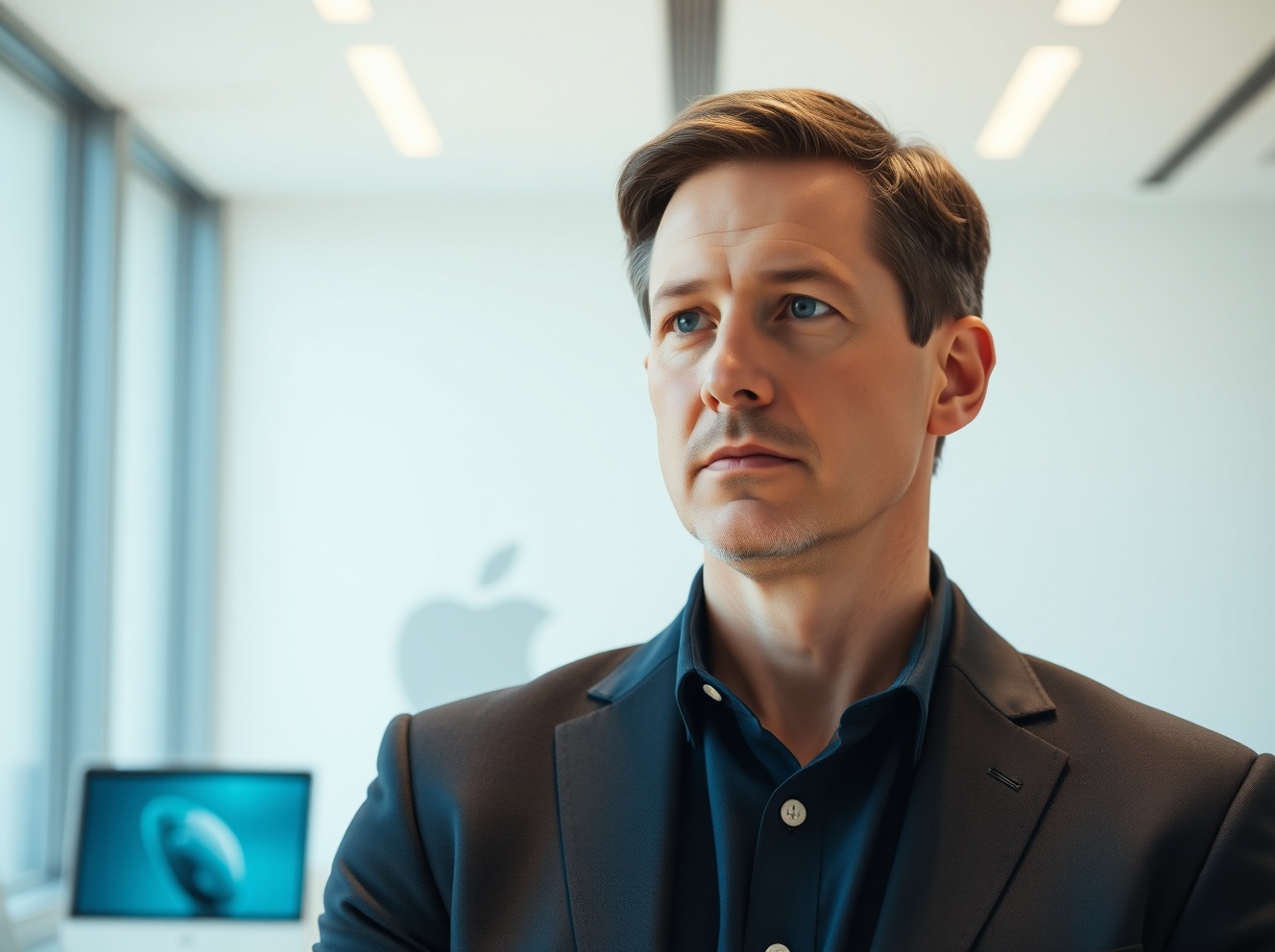
John Ternus Faces Daunting Challenge: Steering Apple Through AI Wars and Antitrust Battles as New CEO
Apple’s leadership baton passes to John Ternus in 2025, marking one of the most significant corporate transitions in technology history. The new CEO inherits a $4 trillion company facing unprecedented regulatory scrutiny, technological disruption, and geopolitical complexity. Ternus must navigate these challenges while maintaining Apple’s market dominance and innovative edge.
John Ternus Inherits Tim Cook’s Complex Legacy
Tim Cook’s 15-year tenure transformed Apple into the world’s most valuable company. Under his leadership, Apple’s market capitalization grew more than elevenfold. Cook accumulated roughly $3 billion in wealth through performance-based equity awards during this period. However, his successor inherits both remarkable success and significant unresolved challenges.
The incoming CEO faces immediate pressure on multiple fronts. Regulatory battles, technological shifts, and international tensions create a perfect storm for Apple’s leadership transition. Ternus must address these issues while defining his own strategic vision for the company’s future direction.
The Encryption Precedent and Privacy Identity
Apple’s 2016 confrontation with the FBI established its identity as a privacy-focused company. After the San Bernardino shooting, Cook refused government demands to unlock the shooter’s iPhone. He argued that creating encryption backdoors would endanger user privacy worldwide. This stance created lasting tension with governments but solidified Apple’s brand positioning.
Ternus now inherits this privacy identity and its associated obligations. Governments worldwide continue pushing for greater access to encrypted data. The new CEO must balance legal requirements with Apple’s core privacy promises to customers. This balancing act becomes increasingly difficult as surveillance technologies advance and regulatory pressures intensify.
Antitrust Battles Threaten Apple’s Business Model
The App Store faces existential threats from multiple legal fronts. Epic Games’ lawsuit challenged Apple’s 30% commission and payment restrictions. Although Apple largely prevailed in 2021, courts ordered changes to its App Store policies. The company now allows developers to link to external payment options but charges a 27% commission on those purchases.
Recent legal developments have increased pressure on Apple’s revenue model:
- Ninth Circuit Court Ruling: Upheld the lower court decision against Apple in late 2025
- Supreme Court Petition: Apple prepares to appeal after rehearing request denial
- Fee Determination Pending: Lower court must decide what commission Apple can legally charge
The U.S. Department of Justice filed a separate antitrust lawsuit in March 2024. This case accuses Apple of unlawfully dominating the smartphone market. The DOJ claims Apple restricts third-party developers in ways that prevent users from switching away from iPhones. A federal judge denied Apple’s motion to dismiss, ensuring years of litigation ahead.
International Regulatory Expansion
Apple faces growing regulatory challenges beyond the United States. Indian authorities recently proposed a $38 billion fine against the company. Regulators found Apple guilty of abusing its dominant position in the app market. This case presents unique complications because Apple holds only about 9% market share in India.
The company also faces scrutiny from European Union regulators under the Digital Markets Act. These international pressures force Apple to adapt its business practices across different jurisdictions. Ternus must develop coherent global strategies that satisfy diverse regulatory requirements while maintaining profitability.
Geopolitical Balancing Act in China
Apple’s deep dependence on Chinese manufacturing creates significant vulnerability. Cook built extensive supply chains in China during his tenure. This dependence grew problematic as U.S.-China relations deteriorated. The company made difficult compromises to maintain its Chinese operations.
Notable concessions include removing VPN apps from China’s App Store. Apple also stores Chinese users’ iCloud data on state-controlled servers. These decisions attracted criticism from human rights organizations but preserved market access. Cook proved adept at managing relationships with multiple U.S. administrations, including cultivating personal connections with President Trump.
Apple announced Cook will continue as executive chairman to assist with geopolitical navigation. This arrangement acknowledges the complexity of international relationships. It also suggests the company recognizes Ternus may need guidance in this challenging area.
Artificial Intelligence Emerges as Critical Challenge
AI represents perhaps the most immediate technological challenge for Ternus. Apple trails competitors in developing advanced artificial intelligence systems. The company’s AI chief, John Giannandrea, departed recently following Siri development delays. Apple now relies on partnerships with Google’s Gemini and OpenAI’s ChatGPT for some Apple Intelligence features.
Market research analyst Bob O’Donnell identified AI as Ternus’s biggest challenge. He told Reuters the new CEO needs “a better AI story and offering together that relies more on Apple’s own capabilities.” Some industry observers believe Apple’s cautious approach may prove wise as AI development costs escalate among competitors.
| Approach | Advantages | Risks |
|---|---|---|
| Partnership Model | Reduces development costs, leverages established technology | Creates dependency, limits differentiation |
| Internal Development | Greater control, better integration, unique features | Higher costs, slower timeline, talent acquisition challenges |
| Hybrid Strategy | Balances speed with control, manages risk | Integration complexity, potential confusion |
Hardware Innovation and Market Transitions
The Vision Pro headset’s market performance disappointed expectations. This ambitious hardware bet failed to gain significant consumer traction. Meanwhile, the iPhone faces potential disruption from AI-powered devices and services. Industry analysts speculate that AI agents could eventually replace app-based interactions.
This transition threatens Apple’s App Store revenue model. If AI agents become primary service interfaces, the 30% commission structure becomes obsolete. Ternus must navigate this potential platform shift while maintaining hardware excellence. He inherits responsibility for both defending existing products and developing new categories.
Leadership Transition and Organizational Dynamics
Ternus assumes leadership during significant executive turnover. Several key executives departed Apple over the past year. The company lost its longtime COO, general counsel, and head of UI design. This turnover presents both challenge and opportunity for the new CEO.
Ternus can reshape Apple’s leadership team according to his vision. However, he must move quickly to establish direction and stability. The transition period requires careful management of institutional knowledge transfer. Cook’s continued presence as executive chairman provides continuity during this organizational evolution.
The Core Leadership Question
Cook’s greatest strength was managing complex external relationships. He balanced government demands, partner expectations, and business requirements skillfully. Whether Ternus possesses similar diplomatic capabilities remains uncertain. Cook’s ongoing involvement suggests Apple recognizes potential gaps in this area.
The more fundamental question concerns Apple’s future relevance. Technological shifts could undermine the foundations of Apple’s current success. AI advancements and new hardware paradigms might reduce iPhone dependence. Ternus must guide Apple through this potential industry transformation while defending existing businesses.
Conclusion
John Ternus assumes Apple’s leadership during its most challenging period in decades. He inherits regulatory battles, technological disruption, and geopolitical tensions simultaneously. The new CEO must defend Apple’s core businesses while navigating industry transformation. His success will depend on strategic vision, diplomatic skill, and organizational leadership. Apple’s future trajectory under Ternus will significantly influence the global technology landscape for years to come.
FAQs
Q1: What are John Ternus’s biggest immediate challenges as Apple’s new CEO?
John Ternus faces three primary challenges: developing a competitive AI strategy, navigating ongoing antitrust litigation, and managing Apple’s complex relationship with China while maintaining supply chain stability.
Q2: How does Tim Cook’s continued role as executive chairman affect Ternus’s authority?
Cook’s ongoing involvement provides institutional knowledge and relationship continuity, particularly for geopolitical matters. This arrangement suggests Apple recognizes Ternus may need guidance in certain areas while allowing him primary operational authority.
Q3: What is the status of Apple’s antitrust battles with Epic Games and the Department of Justice?
Apple continues fighting Epic Games in courts, with the Ninth Circuit upholding rulings against Apple in late 2025. The company prepares to petition the Supreme Court. Simultaneously, Apple faces a separate DOJ antitrust lawsuit that could take years to resolve through litigation.
Q4: How is Apple addressing its AI development gap compared to competitors?
Apple currently relies on partnerships with Google’s Gemini and OpenAI’s ChatGPT for some AI features while developing its own capabilities. The company faces pressure to create more distinctive AI offerings that rely less on third-party technologies.
Q5: What impact could AI agents have on Apple’s App Store business model?
If AI agents become primary interfaces for services, they could bypass traditional app stores entirely. This transition threatens Apple’s 30% commission revenue model, potentially requiring fundamental business strategy adjustments.
This post John Ternus Faces Daunting Challenge: Steering Apple Through AI Wars and Antitrust Battles as New CEO first appeared on BitcoinWorld.


You May Also Like

EUR/JPY Stalls: Critical 184.00 Level Holds as Markets Decipher ECB and BoJ Policy Signals

Strategic SpaceX Cursor AI Deal: The $60 Billion Option That Could Reshape Tech’s Future




