

4 times Nigeria has missed a digital broadcast switch deadline since 2012 and what happened
Nigeria’s long-awaited Digital Switch Over (DSO) project is finally set for nationwide rollout on June 17, 2026, as recently announced by the Minister of Information and National Orientation, Muhammed Idris.
Expectations are already building up for the launch. Following years of delayed transition, Nigerians will be hoping that the innovation that will transform broadcasting will eventually fly this time around.
According to the Minister, all preparations are ready for the commissioning on June 17, and there has been an additional improvement to the previous transmissions that failed to launch.
 Mohammed Idris – Minister of Information and National Orientation
When the DSO launched, it was expected to transition Nigeria’s broadcasting system from analogue to digital and improve audience measurement for both broadcasters and advertisers.
However, this remarkable innovation did not start now. In fact, the journey toward a DSO switch began in 2008 when Nigeria joined nations to align with the International Telecommunications Union’s (ITU) directive for countries to migrate from analogue to digital terrestrial broadcasting.
The mission was for a digital broadcasting that would ensure sharper signals, expand access to channels, and free up valuable spectrum for telecoms. It was a well-conceived idea that only needed strategic infrastructure investment and laid down a blueprint for a successful rollout.
18 years later, Nigeria is still waiting for its DSO, which has been plagued by missed deadlines, funding controversies, corruption, policy switch and bureaucratic plays.
Missed deadlines
Since mid-2009, when the late President Umaru Yar’Adua inaugurated a Presidential Advisory Committee (PAC) on Transition from Analogue to Digital Broadcasting, to the latest announcement in 2026, Nigeria has recorded four major missed deadlines.
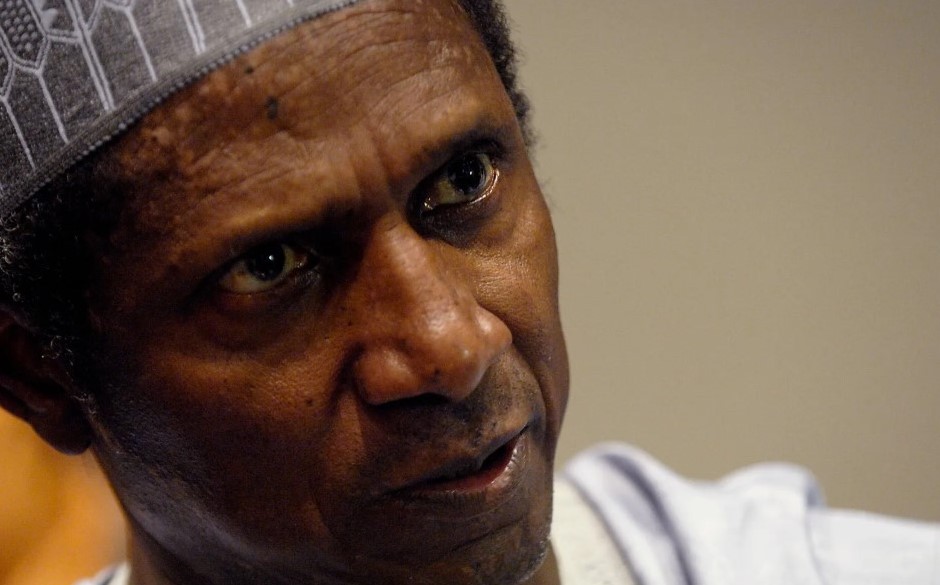 Late President Umaru Yar’Adua
First miss – 2012
While the ITU mandate was set for June 17, 2015, the original day for the DSO, Nigeria originally targeted July 17 2012, to make the switch, three years before that ITU date.
The preparation for the launch started in late 2008 with the inauguration of the board that will oversee the DSO. The panel reportedly took about nine months to present its first report on June 29, 2009.
Due to unexplained reasons, there was no follow-up until April 4, 2012, when the Federal Executive Council (FEC) claimed it released a White Paper on the report.
Between 2007, when the Federal Government approved June 17, 2012, as Nigeria’s transition date, Nigeria failed to have a concise plan for the digital transition. This failure made Nigeria realign its target to June 17, 2015.
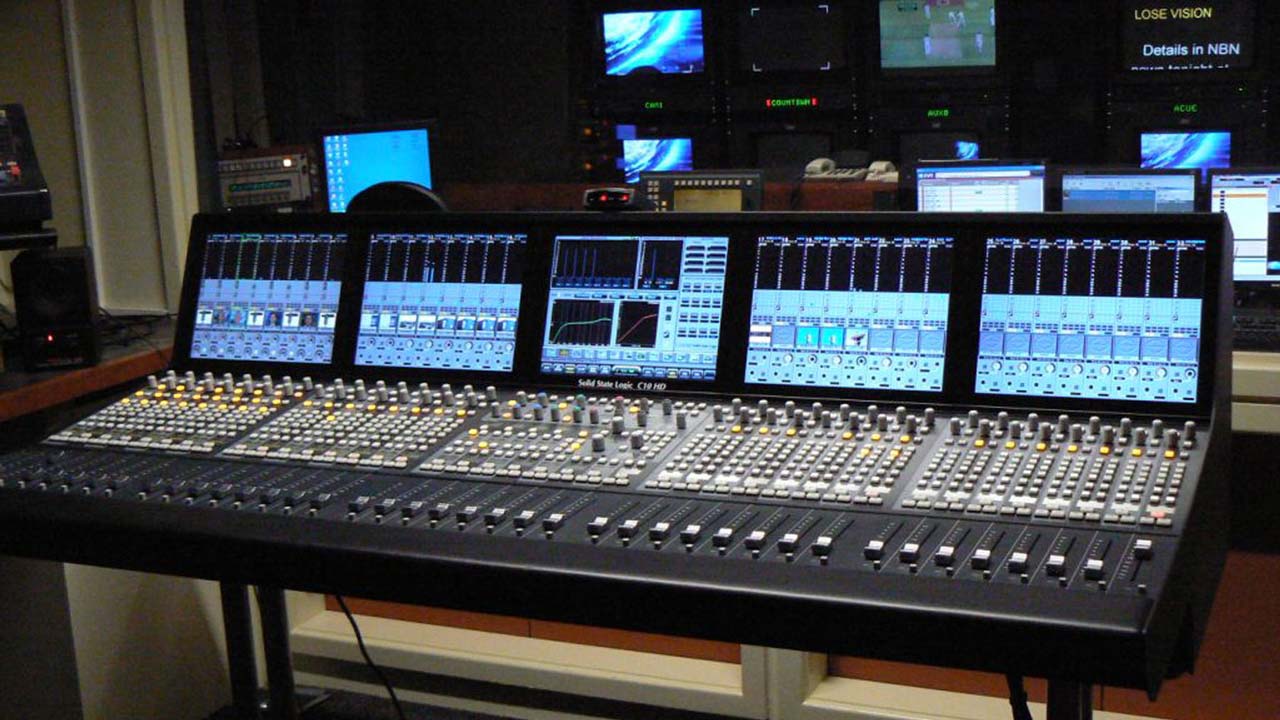 Digital-Broadcasting
Second miss – 2015
Nigeria, along with 54 other African countries, agreed to an ITU deadline of June 17, 2015, for the switch over from analogue to digital.
Following the setback in 2012, the Nigerian Broadcasting Corporation (NBC) had promised to use the three years (June 17, 2012, to June 17, 2015) to address every bottleneck that might arise from the switchover.
While there were promises to perfect the technical aspects before the set date, bureaucratic hiccups set in. This deadline also went by without nationwide implementation.
Third miss – 2017
Following two missed deadlines in 2012 and 2015, Nigeria partially shifted to a state-specific transition. The belief was that a nationwide rollout was being clamped down on by issues peculiar to each state.
In June 2017, former Information Minister, Lai Mohammed, said the country would switch over from analogue in six states across the six geo-political zones by July of the same year.
However, only limited pilot phases were launched in states like Jos, Abuja, and a few others, leading to a record of another major miss in Nigeria’s ambition to leave the old analogue model behind.
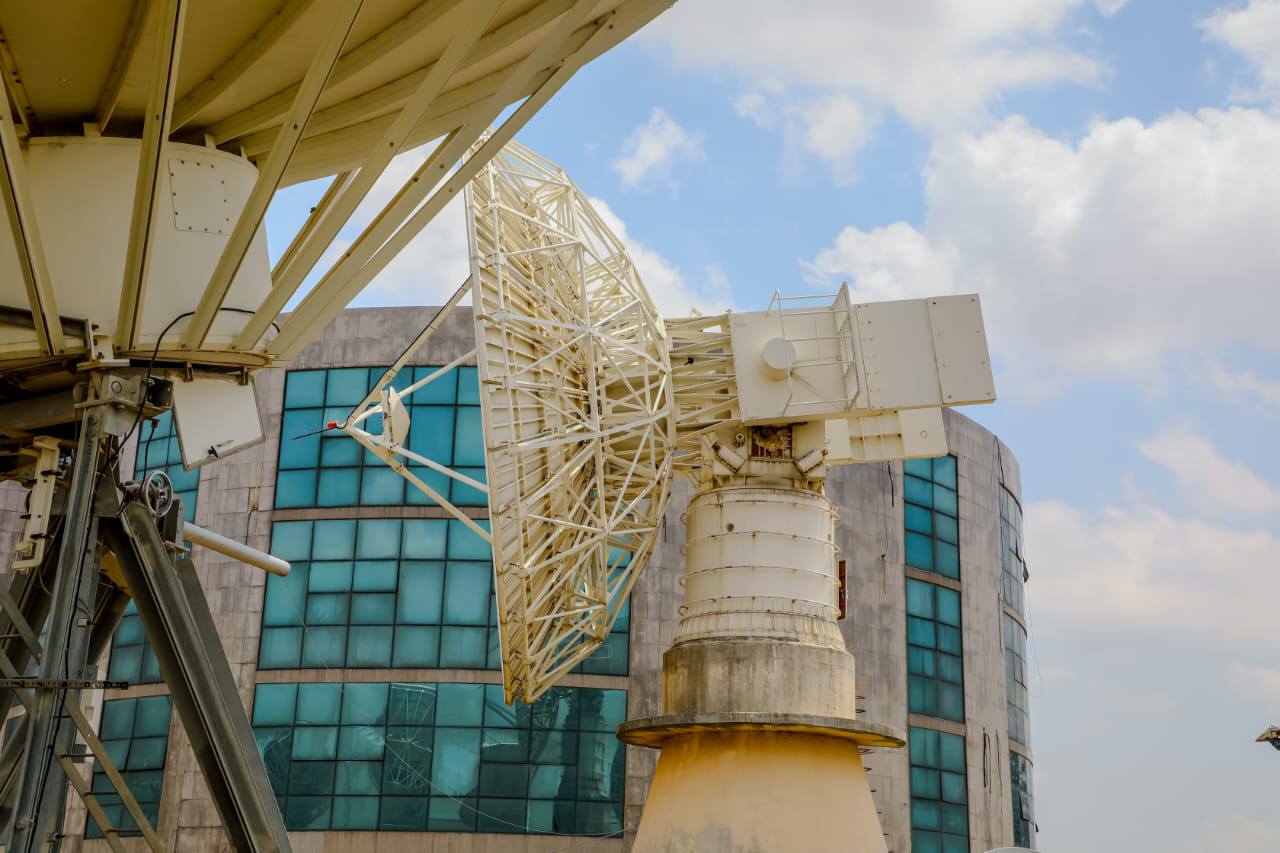 Satellite dish
Fourth miss – 2022
Between 2017 and 2022, there were multiple rollout announcements and renewed efforts from successive ministers. This stalled due to funding and political transitions.
At some point, the National Broadcasting Commission (NBC) expressed confidence that the DSO project would be completely rolled out nationwide by the middle of 2022. This timeline was also not achieved, leaving dozens of states on analogue broadcasting.
The nationwide launch has been majorly distorted by funding gaps, inconsistencies in budget allocations, embezzlement of funds, policy changes which disrupted continuity, infrastructure weaknesses, bureaucratic inefficiencies and others.
However, the plan to finally make that important switch from analogue to digital is set to be executed by June 17, 2026. Compared to previous timing, experts have noted that the new set date is more realistic, given the presence of funding and the quality of infrastructure contracts awarded.
What the DSO brings for Nigerians
By DSO, there will be a complete turning off of old analogue television signals, which use traditional broadcast towers, and replacing them with digital terrestrial or satellite signals.
In comparison, analogue signals only transmit one channel per frequency and are prone to static or ghosting, while digital signals are highly compressed, allowing multiple high-definition (HD) channels to broadcast on a single frequency.
With the transition, Nigerians will get an HD picture and audio quality, and vastly more free-to-air channels.
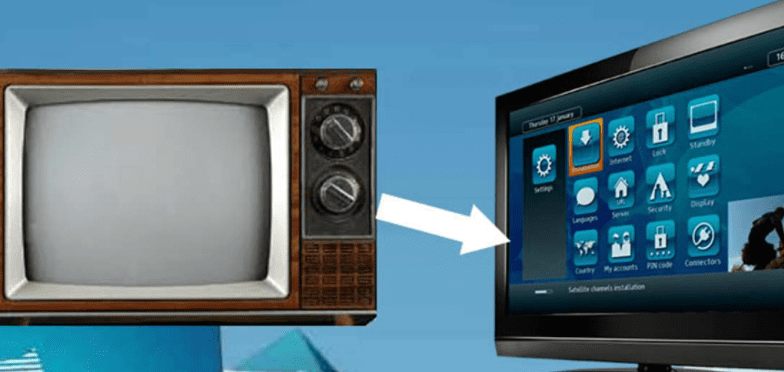 Digital Switchover
For Nigerians with a brand-new TV, they are likely already set up. Those with older analogue TVs will need a digital-to-analogue converter box to receive the new digital transmission.
Also Read: NIGCOMSAT: What is Nigeria’s Digital Switch Over and why should tech builders care?
Nigeria lags behind
While Nigeria has lingered on the launch since 2012, several African countries have already transitioned into the DSO system.
In Africa, Mauritius, Rwanda, Tanzania, Kenya, Malawi, Botswana, Namibia, Côte d’Ivoire, Burkina Faso, Gabon, and Eswatini have completed the DSO process.
Outside Africa, almost all of Europe has transitioned. Luxembourg was the first country to complete its switchover in 2006. Other early adopters also included Sweden, the Netherlands, and Finland.
In North America, the United States completed its digital switchover for full-power television stations in 2009, while Canada completed its transition shortly after.


You May Also Like

Trump endorsement makes Dem Senate candidate the favorite in deep red state
US 30-Year Treasury Yield Hits 5.197%, Highest Since July 2007




