In recent years, cryptocurrency has cemented its presence in popular culture, often making its way into TV shows, commercials, and even mainstream satire. From animated series like “South Park” and “The Simpsons” to high-profile Super Bowl ads, crypto increasingly reflects society’s evolving relationship with blockchain technology, digital assets, and the broader crypto markets. This crossover [...]In recent years, cryptocurrency has cemented its presence in popular culture, often making its way into TV shows, commercials, and even mainstream satire. From animated series like “South Park” and “The Simpsons” to high-profile Super Bowl ads, crypto increasingly reflects society’s evolving relationship with blockchain technology, digital assets, and the broader crypto markets. This crossover [...]

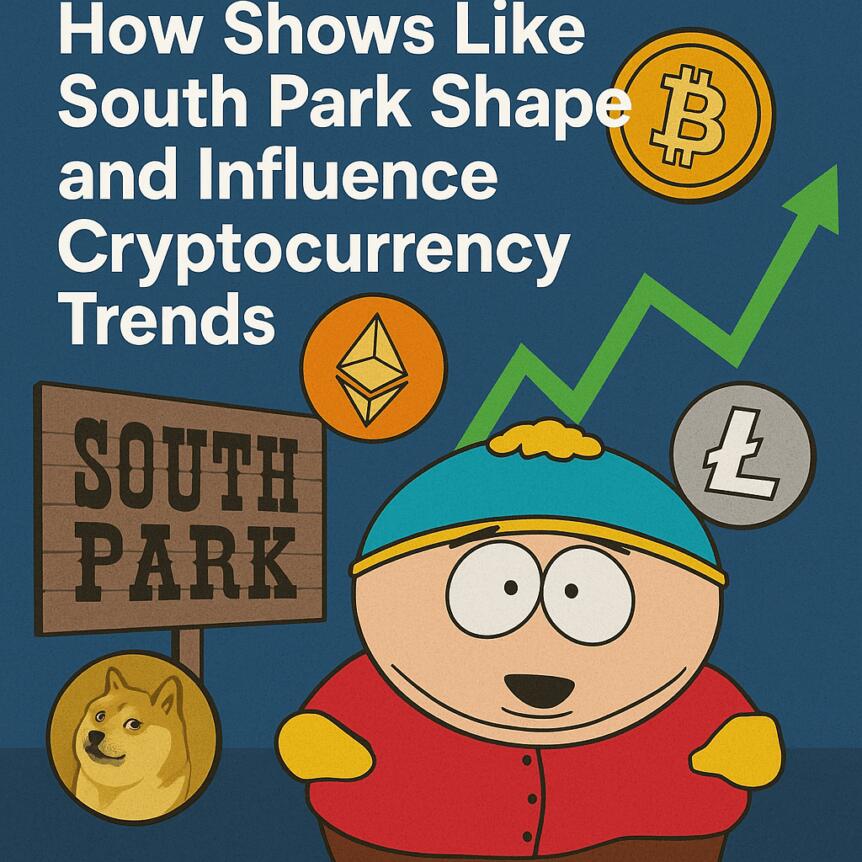
How Shows Like South Park Shape and Influence Cryptocurrency Trends

For feedback or concerns regarding this content, please contact us at crypto.news@mexc.com
How Shows Like South Park Shape And Influence Cryptocurrency Trends

In recent years, cryptocurrency has cemented its presence in popular culture, often making its way into TV shows, commercials, and even mainstream satire. From animated series like “South Park” and “The Simpsons” to high-profile Super Bowl ads, crypto increasingly reflects society’s evolving relationship with blockchain technology, digital assets, and the broader crypto markets. This crossover highlights how digital assets continue to influence and shape public perception, even amidst regulatory scrutiny and market volatility.

  • “South Park” satirizes prediction markets, NFTs, and Bitcoin, reinforcing crypto’s mainstream cultural relevance.
  • Celebrity endorsements, notably Matt Damon’s Crypto.com ad, coincided with Bitcoin’s record-breaking price surge in 2021.
  • Crypto advertising reached new heights at the 2022 Super Bowl, with Coinbase’s QR code campaign gaining viral attention.
  • Iconic TV shows like “The Simpsons” have provided educational insights into blockchain and cryptocurrency through memorable episodes.
  • The merger of crypto and pop culture often mirrors market optimism but also warns of the potential pitfalls, as seen with FTX’s collapse.

Cryptocurrency continues to permeate popular culture, often serving as both satire and validation of its growing influence over the mainstream. “South Park,” now in its 27th season, has long satirized various facets of the crypto industry, targeting prediction markets, trading apps, U.S. regulators, and political figures connected to blockchain innovations. Notably, episodes have featured parodying Bitcoin as a mainstream currency and NFTs as a fad—highlighting both industry acceptance and skepticism.

Episode highlights include a December 2021 satirical take on NFTs, with an animated Butters obsessing over digital collectibles as a quick path to wealth. Earlier, the series depicted Bitcoin as both a futuristic currency and a Ponzi scheme, reflecting ongoing debates about crypto’s legitimacy and potential. These episodes parallel real-world events, where Bitcoin’s volatile markets have often made headlines, from a post-COVID surge to subsequent crashes amid regulatory crackdowns and macroeconomic shifts.

Meanwhile, “The Simpsons” and “Big Bang Theory’s” Sheldon Cooper have dived into blockchain education. The 2020 “Frinkcoin” episode of “The Simpsons” featured Jim Parsons explaining cryptocurrency fundamentals, striking a rare balance between satire and education. The show also predicted Bitcoin’s infinite rise, symbolizing the crypto market’s high hopes and exaggerated optimism prevalent in early adoption years.

High-profile advertising campaigns at events like the Super Bowl have propelled crypto further into mainstream consciousness. The 2022 commercials saw brands like Crypto.com and eToro promoting blockchain projects and NFTs, while Coinbase’s QR code ad famously crashed the app by offering Bitcoin giveaways. Conversely, FTX’s Super Bowl commercial, featuring Larry David dismissing financial innovation, now serves as a cautionary tale after the platform’s dramatic collapse and subsequent bankruptcy.

Elon Musk’s influence remains undeniable, with his Dogecoin endorsements and “SNL” appearances pumping the meme token’s price—alongside Tesla’s investments in Bitcoin. However, these moments also demonstrate market volatility and the risks linked to celebrity-driven hype, which can mislead retail investors and fuel speculative bubbles.

In sum, crypto’s crossover into pop culture not only amplifies its mainstream presence but also reflects both the aspirations and perils of this rapidly evolving industry.

This article was originally published as How Shows Like South Park Shape and Influence Cryptocurrency Trends on Crypto Breaking News – your trusted source for crypto news, Bitcoin news, and blockchain updates.


Disclaimer: The articles reposted on this site are sourced from public platforms and are provided for informational purposes only. They do not necessarily reflect the views of MEXC. All rights remain with the original authors. If you believe any content infringes on third-party rights, please contact crypto.news@mexc.com for removal. MEXC makes no guarantees regarding the accuracy, completeness, or timeliness of the content and is not responsible for any actions taken based on the information provided. The content does not constitute financial, legal, or other professional advice, nor should it be considered a recommendation or endorsement by MEXC.

You May Also Like

OpenVPP accused of falsely advertising cooperation with the US government; SEC commissioner clarifies no involvement

OpenVPP accused of falsely advertising cooperation with the US government; SEC commissioner clarifies no involvement

PANews reported on September 17th that on-chain sleuth ZachXBT tweeted that OpenVPP ( $OVPP ) announced this week that it was collaborating with the US government to advance energy tokenization. SEC Commissioner Hester Peirce subsequently responded, stating that the company does not collaborate with or endorse any private crypto projects. The OpenVPP team subsequently hid the response. Several crypto influencers have participated in promoting the project, and the accounts involved have been questioned as typical influencer accounts.
Share
PANews2025/09/17 23:58
Trump's allegation against Noem would constitute a federal crime: analyst

Trump's allegation against Noem would constitute a federal crime: analyst

President Donald Trump caught everyone off guard by suddenly firing Homeland Security Secretary Kristi Noem — but being out of a job could just be the start of
Share
Rawstory2026/03/06 04:49
Aave DAO to Shut Down 50% of L2s While Doubling Down on GHO

Aave DAO to Shut Down 50% of L2s While Doubling Down on GHO

The post Aave DAO to Shut Down 50% of L2s While Doubling Down on GHO appeared on BitcoinEthereumNews.com. Aave DAO is gearing up for a significant overhaul by shutting down over 50% of underperforming L2 instances. It is also restructuring its governance framework and deploying over $100 million to boost GHO. This could be a pivotal moment that propels Aave back to the forefront of on-chain lending or sparks unprecedented controversy within the DeFi community. Sponsored Sponsored ACI Proposes Shutting Down 50% of L2s The “State of the Union” report by the Aave Chan Initiative (ACI) paints a candid picture. After a turbulent period in the DeFi market and internal challenges, Aave (AAVE) now leads in key metrics: TVL, revenue, market share, and borrowing volume. Aave’s annual revenue of $130 million surpasses the combined cash reserves of its competitors. Tokenomics improvements and the AAVE token buyback program have also contributed to the ecosystem’s growth. Aave global metrics. Source: Aave However, the ACI’s report also highlights several pain points. First, regarding the Layer-2 (L2) strategy. While Aave’s L2 strategy was once a key driver of success, it is no longer fit for purpose. Over half of Aave’s instances on L2s and alt-L1s are not economically viable. Based on year-to-date data, over 86.6% of Aave’s revenue comes from the mainnet, indicating that everything else is a side quest. On this basis, ACI proposes closing underperforming networks. The DAO should invest in key networks with significant differentiators. Second, ACI is pushing for a complete overhaul of the “friendly fork” framework, as most have been unimpressive regarding TVL and revenue. In some cases, attackers have exploited them to Aave’s detriment, as seen with Spark. Sponsored Sponsored “The friendly fork model had a good intention but bad execution where the DAO was too friendly towards these forks, allowing the DAO only little upside,” the report states. Third, the instance model, once a smart…
Share
BitcoinEthereumNews2025/09/18 02:28