

India and Ethanol: The Journey So Far and the Path Ahead
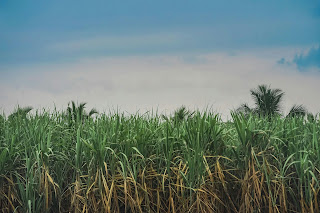
When I was in school, I learned about how Brazil transitioned to largely using ethanol-blended fuel for its automobiles, as it could source it from sugarcane, which grows in abundance in Brazil. Given that India has always relied excessively on imported petroleum products to power its automobiles, I had wondered then why India, which, along with Brazil, is among the top two sugarcane-growing nations in the world, shouldn’t follow suit? Doing so would not only have shaved off billions from India’s import bill, but it would also have made it less susceptible to geo-strategic blackmail like the one it finds itself subject to on account of the Russia-Ukraine conflict.
\ While India is trying to pivot away from its reliance on imported oil by stepping up domestic oil exploration and encouraging the widespread adoption of EV technology, it is in leveraging its natural advantage of being home to one of the largest agriculture-based economies in the world and making a move to biofuels like ethanol that it may find true energy security. While oil is messy, polluting, expensive, and causes global warming, the EV industry is heavily reliant on Chinese imports, making it a potential security nightmare.
\ Besides, EVs or electric vehicles are non-polluting only if the electricity used to charge them is produced in a non-polluting way. With most of India’s power plants being coal-powered, going for large-scale adoption of EVs might not help fight the raging pollution levels across the Indian urban landscape. The advantages of using ethanol are many. These include, among other things, better engine performance, higher fuel efficiency, and the kicker being ensuring the energy security of the nation.
India’s Ethanol Journey
India embarked on an Ethanol Blended Petrol (EBP) programme in the early 2000s and has gradually enhanced the ethanol component in the fuel mixture from 5% to the present 20%. A 10% target was achieved five months early in June 2022, and an even more impressive 20% target was achieved by July 2025, an incredible five years ahead of schedule. The government caught on with the potential of using ethanol as a game changer at a particularly fortuitous time, given how global warming is having a visible impact across the length and breadth of India, and the tumultuous global geo-strategic landscape is impacting the nation’s ability to secure its energy needs.
The Path Ahead
One of the biggest hurdles in the adoption of ethanol-blended fuel in India is the large number of old vehicles that may not be entirely suited to running efficiently on it. The newer vehicles have no such issues. As a matter of fact, automobile manufacturers in the country should look at making flexible fuel vehicles like they have for years in Brazil, capable of running on variable proportions of a petrol-ethanol blend. Brazil even has vehicles that run on pure ethanol, comprising 95% ethanol and 5% water.
\ It is heartening that major Indian automobile companies have stepped up to the plate with their plans to foray into the exciting world of flexible fuel vehicles. With the government planning to extend the same incentives that it extended to EV manufacturers to flexi-fuel vehicle manufacturers soon, the future for rapid adoption of such automobiles seems to be quite bright. In the meantime, it is important that the required fuel dispensing infrastructure be developed and people be made aware of the benefits of using flexible fuel vehicles, also known as FFVs.
\ Making a move to an ethanol-blended fuel dispensation does have its critics, who argue that the fuel is not compatible with a large number of old vehicles used in the country. Then there is the whole argument about the diversion of food crops like rice and maize towards ethanol production, which might impact the hard-fought-for food security of the nation. Other possible problems could be in the shape of using sugarcane and other water-intensive crops in the manufacturing of ethanol.
\ However, given the vastness of India and the natural resources it possesses, these are not deal breakers, and solutions can be worked out that adequately address these concerns. India’s tryst with ethanol has been a fruitful one, and continuing down this path will help the nation secure its energy needs for all times to come.


You May Also Like

Iran agrees to hand over enriched uranium stockpile ahead of Islamabad talks

Flutterwave partner Kulipa secures $6.2 million to bring Stablecoin-funded payment cards to Nigeria




