Russian Finance Minister Anton Siluanov announced that cryptocurrencies will be allowed for foreign trade payments in the country. She added that new laws will roll out in 2026 to make it official. This follows a trial period in 2024, where businesses use digital currencies like Bitcoin for international transactions. The move aims to help Russia deal with Western sanctions. The Central Bank will closely monitor transactions as Russia focuses on trade with BRICS+ countries, aiming to leverage its $2 billion mining sector. Legislation and Regulatory Framework  Siluanov highlighted the importance of using cryptocurrencies mined in Russia, which is part of the $2 billion mining industry, to lessen dependence on foreign services. “Crypto is key for import payments & currency outflows. The market will be regulated with stronger Central Bank oversight,” she said. The Central Bank will implement strict controls, such as seizing assets and converting them for illegal crypto use, to address issues like fraud and money laundering. The announcement shows Russia’s strategic move in response to sanctions, as discussed with Prime Minister Mikhail Mishustin. The new laws aim to regulate the unofficial crypto payments that some businesses already use for imports and sending money to countries like China. Under Elvira Nabiullina, the Central Bank will ensure businesses follow the rules to maintain financial stability.  This careful approach manages economic growth while addressing security concerns about cryptocurrency price swings. The complete details of the policy will depend on the results of the trial program, with implementation expected by 2026. Economic and Global Implications Recall that Russia’s Finance Minister had, in 2024, revealed that local companies and businesses were already using crypto assets like Bitcoin (BTC) to facilitate cross-border payments. With the official decision to allow cryptocurrencies for foreign trade, the country can rely less on the US dollar, which makes up less than half of its reserves. The policy could facilitate easier payments with trading partners like India and Turkey, thereby improving trade efficiency. Additionally, Russia’s move might inspire other countries facing sanctions, like Iran, to create similar crypto systems. This could challenge G7 regulations. Meanwhile, strict rules, including penalties for illegal use, might increase costs for smaller businesses. However, there are still risks, such as market fluctuations and cyberattacks, that need solid protection. The strategy shows Russia’s efforts to adapt to global trade restrictions. This could change how cryptocurrencies are used in international finance. The post Russian Ministry of Finance Agrees to Legalize Use of Crypto in Foreign Trades appeared first on CoinTab News.Russian Finance Minister Anton Siluanov announced that cryptocurrencies will be allowed for foreign trade payments in the country. She added that new laws will roll out in 2026 to make it official. This follows a trial period in 2024, where businesses use digital currencies like Bitcoin for international transactions. The move aims to help Russia deal with Western sanctions. The Central Bank will closely monitor transactions as Russia focuses on trade with BRICS+ countries, aiming to leverage its $2 billion mining sector. Legislation and Regulatory Framework  Siluanov highlighted the importance of using cryptocurrencies mined in Russia, which is part of the $2 billion mining industry, to lessen dependence on foreign services. “Crypto is key for import payments & currency outflows. The market will be regulated with stronger Central Bank oversight,” she said. The Central Bank will implement strict controls, such as seizing assets and converting them for illegal crypto use, to address issues like fraud and money laundering. The announcement shows Russia’s strategic move in response to sanctions, as discussed with Prime Minister Mikhail Mishustin. The new laws aim to regulate the unofficial crypto payments that some businesses already use for imports and sending money to countries like China. Under Elvira Nabiullina, the Central Bank will ensure businesses follow the rules to maintain financial stability.  This careful approach manages economic growth while addressing security concerns about cryptocurrency price swings. The complete details of the policy will depend on the results of the trial program, with implementation expected by 2026. Economic and Global Implications Recall that Russia’s Finance Minister had, in 2024, revealed that local companies and businesses were already using crypto assets like Bitcoin (BTC) to facilitate cross-border payments. With the official decision to allow cryptocurrencies for foreign trade, the country can rely less on the US dollar, which makes up less than half of its reserves. The policy could facilitate easier payments with trading partners like India and Turkey, thereby improving trade efficiency. Additionally, Russia’s move might inspire other countries facing sanctions, like Iran, to create similar crypto systems. This could challenge G7 regulations. Meanwhile, strict rules, including penalties for illegal use, might increase costs for smaller businesses. However, there are still risks, such as market fluctuations and cyberattacks, that need solid protection. The strategy shows Russia’s efforts to adapt to global trade restrictions. This could change how cryptocurrencies are used in international finance. The post Russian Ministry of Finance Agrees to Legalize Use of Crypto in Foreign Trades appeared first on CoinTab News.

Russian Ministry of Finance Agrees to Legalize Use of Crypto in Foreign Trades

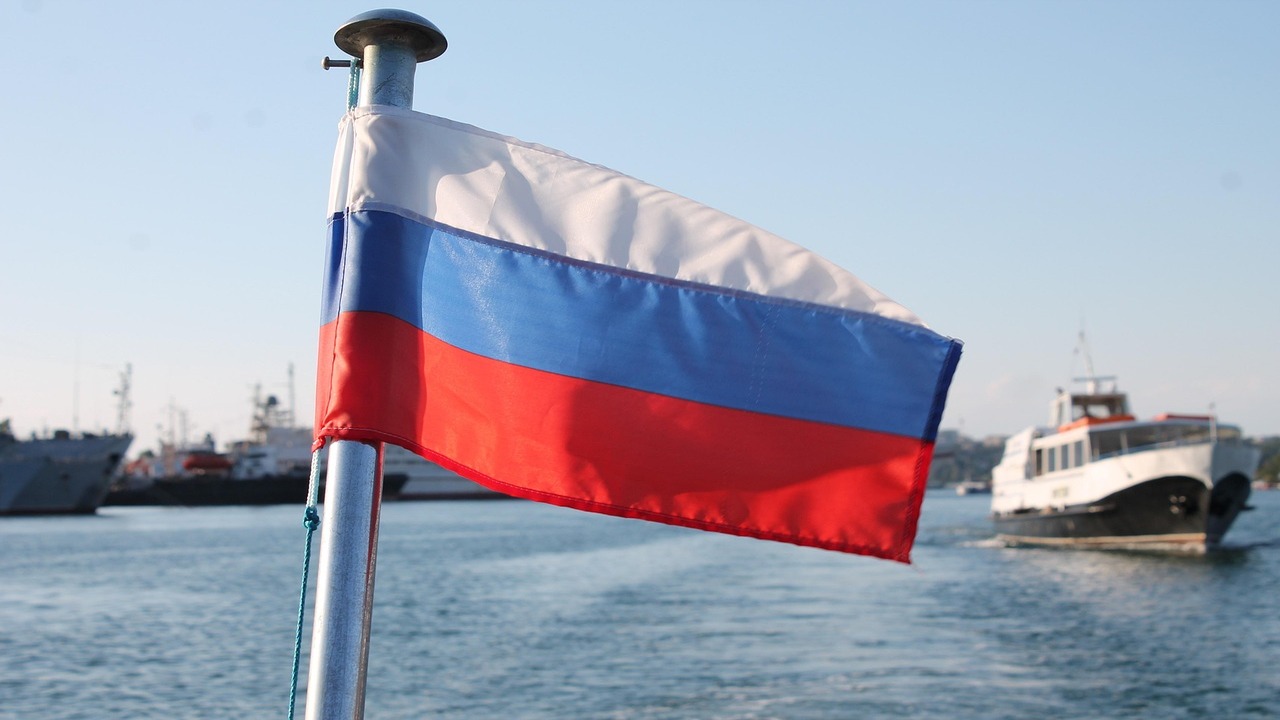
Russian Finance Minister Anton Siluanov announced that cryptocurrencies will be allowed for foreign trade payments in the country. She added that new laws will roll out in 2026 to make it official. This follows a trial period in 2024, where businesses use digital currencies like Bitcoin for international transactions. The move aims to help Russia deal with Western sanctions.

The Central Bank will closely monitor transactions as Russia focuses on trade with BRICS+ countries, aiming to leverage its $2 billion mining sector.

Legislation and Regulatory Framework 

Siluanov highlighted the importance of using cryptocurrencies mined in Russia, which is part of the $2 billion mining industry, to lessen dependence on foreign services.

The Central Bank will implement strict controls, such as seizing assets and converting them for illegal crypto use, to address issues like fraud and money laundering. The announcement shows Russia’s strategic move in response to sanctions, as discussed with Prime Minister Mikhail Mishustin.

The new laws aim to regulate the unofficial crypto payments that some businesses already use for imports and sending money to countries like China. Under Elvira Nabiullina, the Central Bank will ensure businesses follow the rules to maintain financial stability. 

This careful approach manages economic growth while addressing security concerns about cryptocurrency price swings. The complete details of the policy will depend on the results of the trial program, with implementation expected by 2026.

Economic and Global Implications

Recall that Russia’s Finance Minister had, in 2024, revealed that local companies and businesses were already using crypto assets like Bitcoin (BTC) to facilitate cross-border payments. With the official decision to allow cryptocurrencies for foreign trade, the country can rely less on the US dollar, which makes up less than half of its reserves.

The policy could facilitate easier payments with trading partners like India and Turkey, thereby improving trade efficiency. Additionally, Russia’s move might inspire other countries facing sanctions, like Iran, to create similar crypto systems. This could challenge G7 regulations.

Meanwhile, strict rules, including penalties for illegal use, might increase costs for smaller businesses. However, there are still risks, such as market fluctuations and cyberattacks, that need solid protection. The strategy shows Russia’s efforts to adapt to global trade restrictions. This could change how cryptocurrencies are used in international finance.

The post Russian Ministry of Finance Agrees to Legalize Use of Crypto in Foreign Trades appeared first on CoinTab News.


Market Opportunity
Polytrade Logo
Polytrade Price(TRADE)
$0.05009
$0.05009$0.05009
-5.04%
USD
Polytrade (TRADE) Live Price Chart
Disclaimer: The articles reposted on this site are sourced from public platforms and are provided for informational purposes only. They do not necessarily reflect the views of MEXC. All rights remain with the original authors. If you believe any content infringes on third-party rights, please contact service@support.mexc.com for removal. MEXC makes no guarantees regarding the accuracy, completeness, or timeliness of the content and is not responsible for any actions taken based on the information provided. The content does not constitute financial, legal, or other professional advice, nor should it be considered a recommendation or endorsement by MEXC.

You May Also Like

Top 4 Tokens Turning IP Rights Into Investable Assets

Top 4 Tokens Turning IP Rights Into Investable Assets

IP tokenization opens royalties to investors as BeatSwap, Audius, Story Protocol, and Opulous turn music and media rights into on-chain, income-backed assets.
Share
Blockchainreporter2026/01/21 17:45
Fed Decides On Interest Rates Today—Here’s What To Watch For

Fed Decides On Interest Rates Today—Here’s What To Watch For

The post Fed Decides On Interest Rates Today—Here’s What To Watch For appeared on BitcoinEthereumNews.com. Topline The Federal Reserve on Wednesday will conclude a two-day policymaking meeting and release a decision on whether to lower interest rates—following months of pressure and criticism from President Donald Trump—and potentially signal whether additional cuts are on the way. President Donald Trump has urged the central bank to “CUT INTEREST RATES, NOW, AND BIGGER” than they might plan to. Getty Images Key Facts The central bank is poised to cut interest rates by at least a quarter-point, down from the 4.25% to 4.5% range where they have been held since December to between 4% and 4.25%, as Wall Street has placed 100% odds of a rate cut, according to CME’s FedWatch, with higher odds (94%) on a quarter-point cut than a half-point (6%) reduction. Fed governors Christopher Waller and Michelle Bowman, both Trump appointees, voted in July for a quarter-point reduction to rates, and they may dissent again in favor of a large cut alongside Stephen Miran, Trump’s Council of Economic Advisers’ chair, who was sworn in at the meeting’s start on Tuesday. It’s unclear whether other policymakers, including Kansas City Fed President Jeffrey Schmid and St. Louis Fed President Alberto Musalem, will favor larger cuts or opt for no reduction. Fed Chair Jerome Powell said in his Jackson Hole, Wyoming, address last month the central bank would likely consider a looser monetary policy, noting the “shifting balance of risks” on the U.S. economy “may warrant adjusting our policy stance.” David Mericle, an economist for Goldman Sachs, wrote in a note the “key question” for the Fed’s meeting is whether policymakers signal “this is likely the first in a series of consecutive cuts” as the central bank is anticipated to “acknowledge the softening in the labor market,” though they may not “nod to an October cut.” Mericle said he…
Share
BitcoinEthereumNews2025/09/18 00:23
‘Anti-Innovation’: Experts Slam Nigeria’s ‘Disproportionate’ Capital Requirements for Crypto Firms

‘Anti-Innovation’: Experts Slam Nigeria’s ‘Disproportionate’ Capital Requirements for Crypto Firms

The post ‘Anti-Innovation’: Experts Slam Nigeria’s ‘Disproportionate’ Capital Requirements for Crypto Firms appeared on BitcoinEthereumNews.com. The Nigerian SEC
Share
BitcoinEthereumNews2026/01/21 17:34