Japan Stimulus Package: What $110 Billion Means for Crypto Markets
TLDR
- Japan confirms stimulus package exceeding ¥17 trillion ($110 billion) to combat rising costs and economic contraction
- Japan’s economy contracted 1.8% in Q3 2025, ending a six-quarter growth streak
- Package includes cash aid, tax relief, and incentives for AI and high-tech sectors
- Labor shortages cost Japan approximately ¥16 trillion annually, representing 2.6% of GDP
- Weaker yen from increased liquidity may drive capital toward risk assets including Bitcoin
Japan’s government confirmed plans for a stimulus package exceeding ¥17 trillion, approximately $110 billion. Finance Minister Satsuki Katayama announced the figure after meeting with Prime Minister Sanae Takaichi.
The package comes as Japan’s economy contracted 1.8% in the third quarter of 2025. This contraction ended six consecutive quarters of growth.
The actual decline was less severe than the 2.4% drop many economists predicted. The cabinet will approve the full plan on November 21.
The stimulus package will include direct fiscal measures combining cash support and tax relief. Targeted incentives will focus on families facing increased living costs.
Prime Minister Takaichi has identified artificial intelligence and high-technology development as priority sectors. The plan represents a shift toward more active government investment in these industries.
Economic Pressures Drive Policy Response
Japan faces structural challenges beyond the recent contraction. Labor shortages cost Japanese businesses around ¥16 trillion each year.
This figure has quadrupled over the past five years. It now accounts for 2.6% of Japan’s total GDP.
Yoshimasa Maruyama, chief market economist at SMBC Nikko Securities, said Japan’s economy was solid in the first half of 2025. He expects the economy to return to moderate recovery.
The Bank of Japan maintained its benchmark rate at 0.5% in October. Governor Ueda has suggested conditions may warrant a rate increase as soon as December.
Liquidity Conditions and Market Impact
The stimulus announcement coincides with changing global liquidity conditions. The United States Treasury General Account holds close to $960 billion.
JP Morgan forecasts $300 billion in outflows over four weeks. The Federal Reserve’s quantitative tightening is scheduled to end on December 1.
China has maintained weekly liquidity injections above ¥1 trillion. These moves by major economies indicate a shift from the tightening seen in late 2021.
Large fiscal spending packages in Japan typically weaken the yen. When the yen weakens, capital often flows to higher-returning assets overseas.
Market analysts note that Bitcoin often responds to liquidity expansion. The cryptocurrency attracts capital during currency devaluation and monetary stimulus.
The Treasury General Account balance and the end of the US government shutdown create additional liquidity factors. These conditions support the case for capital moving into risk assets.
Finance Minister Katayama’s confirmation contradicts earlier suggestions that spending would be limited to around $110 billion. The larger figure indicates the government views economic pressures as requiring a stronger response.
The post Japan Stimulus Package: What $110 Billion Means for Crypto Markets appeared first on CoinCentral.


You May Also Like
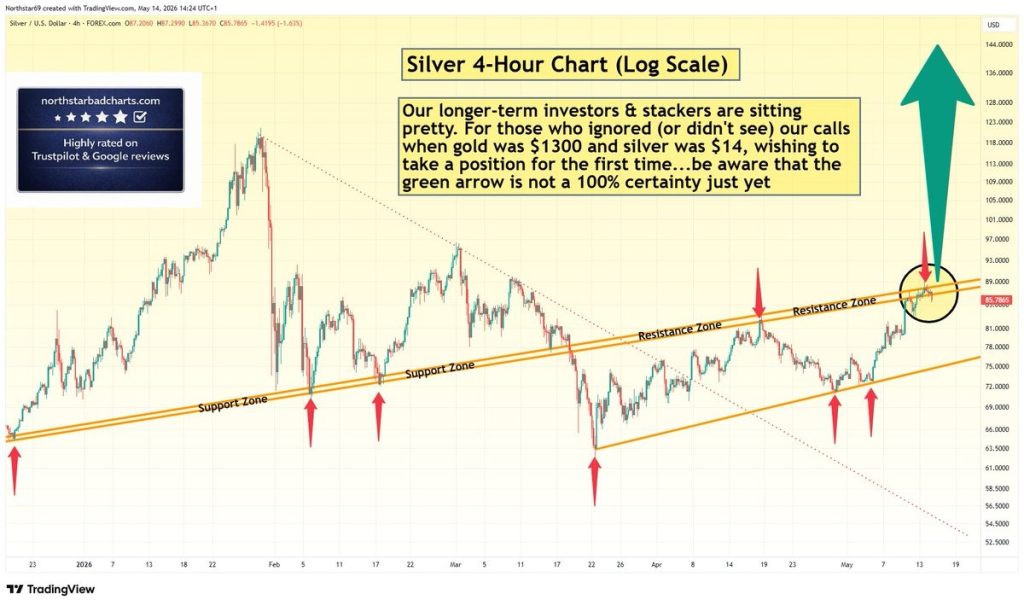
Silver Price Warning: Green Arrow Setup Is Not Confirmed – Wait for Clear Signal

Facebook spotlights African cinema in 6th ‘Made by Africa, loved by the world’ campaign