Crypto-Based Scam Compounds: Interpol’s Shocking Designation of Transnational Criminal Threat
BitcoinWorld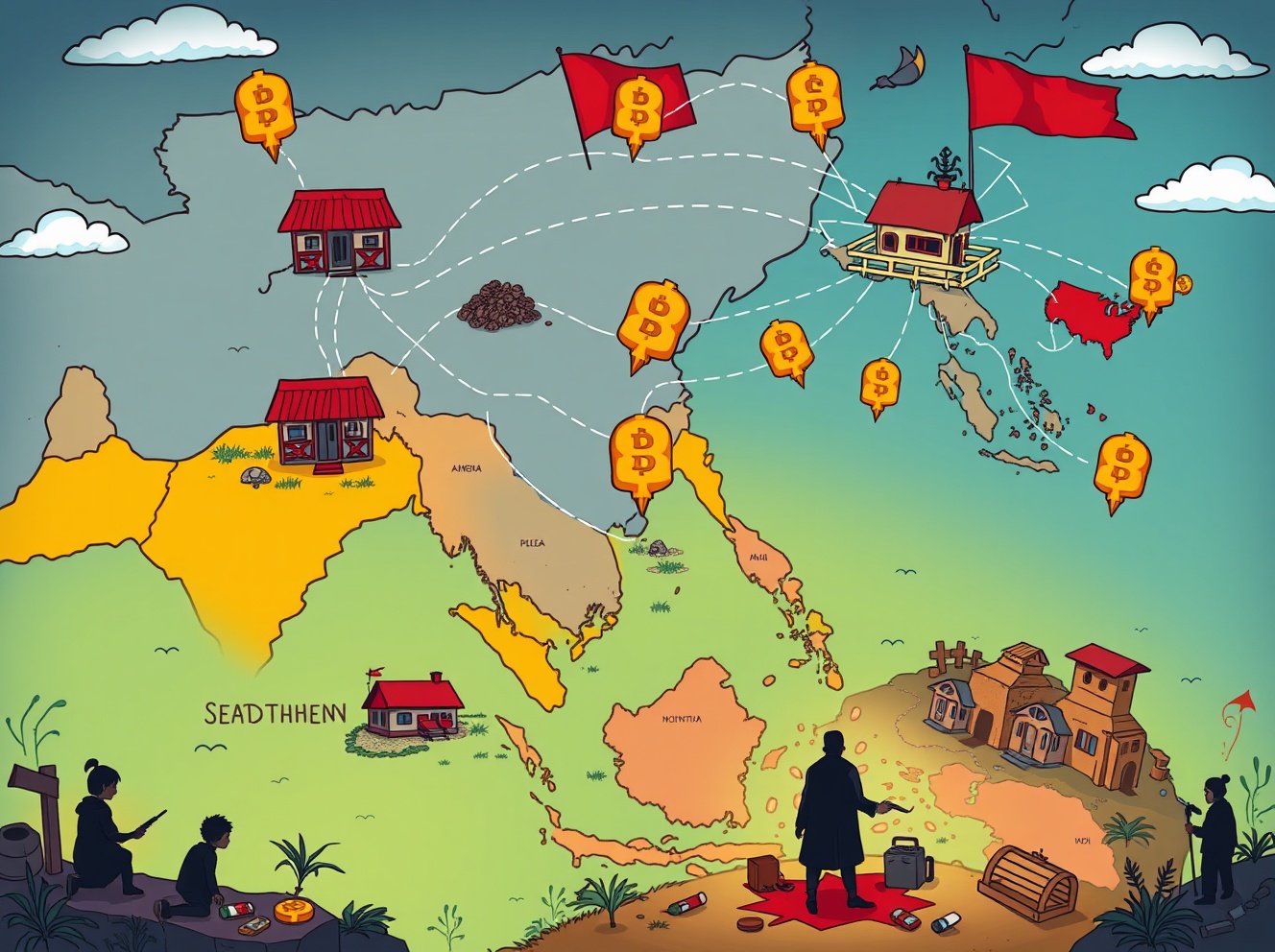
Crypto-Based Scam Compounds: Interpol’s Shocking Designation of Transnational Criminal Threat
Have you ever wondered how far cryptocurrency scams can reach? Interpol just dropped a bombshell revelation that will make you think twice about online opportunities. The international police organization has officially designated crypto-based scam compounds as a serious transnational criminal threat, exposing a dark underworld that spans multiple countries and exploits thousands of victims.
What Are Crypto-Based Scam Compounds?
Interpol’s investigation reveals these crypto-based scam compounds operate like modern-day criminal enterprises. They lure unsuspecting victims with fake job postings, promising legitimate employment opportunities. However, once recruits arrive at compounds in Myanmar, Cambodia, and Laos, they find themselves trapped in nightmare scenarios.
Victims face forced labor conditions where they must execute various fraudulent schemes including:
- Voice phishing operations
- Romance scams targeting lonely individuals
- Sophisticated investment frauds
- Direct cryptocurrency scams
How Do These Criminal Networks Operate?
The sophistication of these crypto-based scam compounds demonstrates why Interpol considers them a transnational threat. These organizations use cryptocurrency for several key reasons that make them particularly dangerous.
Cryptocurrency provides these criminals with:
- Borderless transaction capabilities
- Enhanced anonymity features
- Quick money movement across jurisdictions
- Difficulty in tracing funds
Why Is This Designation So Important?
Interpol’s classification of crypto-based scam compounds as a transnational criminal threat marks a significant shift in global law enforcement priorities. This designation triggers enhanced cooperation between member countries and allocates additional resources to combat these networks.
The international police organization emphasizes that no single country can tackle this problem alone. The cross-border nature of these crypto-based scam compounds requires coordinated efforts across multiple jurisdictions to effectively dismantle the networks and rescue victims.
What Can You Do to Stay Protected?
While authorities work to dismantle these crypto-based scam compounds, individuals need to remain vigilant. Understanding the warning signs can help you avoid falling victim to these sophisticated operations.
Watch for these red flags in job offers:
- Unusually high salaries for minimal qualifications
- Vague job descriptions
- Requests for upfront payments
- Pressure to relocate quickly
- Companies with limited online presence
The Global Response to Crypto-Based Scam Compounds
Interpol’s announcement signals a new era in fighting crypto-based scam compounds. The organization calls for improved information sharing between national police forces and enhanced training for identifying cryptocurrency-related crimes.
Moreover, financial intelligence units worldwide are developing better tools to track transactions involving crypto-based scam compounds. This coordinated approach aims to disrupt the financial flows that keep these criminal enterprises operating.
Frequently Asked Questions
What makes crypto-based scam compounds different from regular scams?
These compounds operate as organized criminal enterprises with physical locations where victims are held against their will and forced to commit fraud, making them far more dangerous than typical online scams.
Which countries have the highest concentration of these compounds?
Interpol specifically identified Myanmar, Cambodia, and Laos as primary locations, though the networks operate across multiple Southeast Asian countries.
How do victims typically get recruited?
Most victims respond to fraudulent job postings that promise high salaries and good working conditions, only to discover the reality once they arrive at the compounds.
What types of cryptocurrency scams do they run?
These compounds typically execute investment frauds, romance scams, fake exchange platforms, and phishing operations targeting cryptocurrency holders.
How can I verify if a job offer is legitimate?
Always research companies thoroughly, verify contact information through official channels, and be wary of offers that seem too good to be true.
What should I do if I suspect someone is trapped in such a compound?
Contact local authorities immediately and provide any available information about the location and circumstances. You can also reach out to international organizations that specialize in human trafficking cases.
Help spread awareness about this critical issue – share this article on social media to ensure more people understand the dangers of crypto-based scam compounds and can protect themselves and their loved ones from falling victim to these transnational criminal operations.
To learn more about the latest cryptocurrency security trends, explore our article on key developments shaping cryptocurrency regulatory frameworks and security measures.
This post Crypto-Based Scam Compounds: Interpol’s Shocking Designation of Transnational Criminal Threat first appeared on BitcoinWorld.
You May Also Like

Husky Inu (HINU) Completes Move To $0.00020688

Trump 'boxed himself into a corner' — and was forced to back down on Iran threats