

Revolutionary: How Daylight’s New Protocol Lets You Tokenize Electricity Revenue for Crypto Yield
BitcoinWorld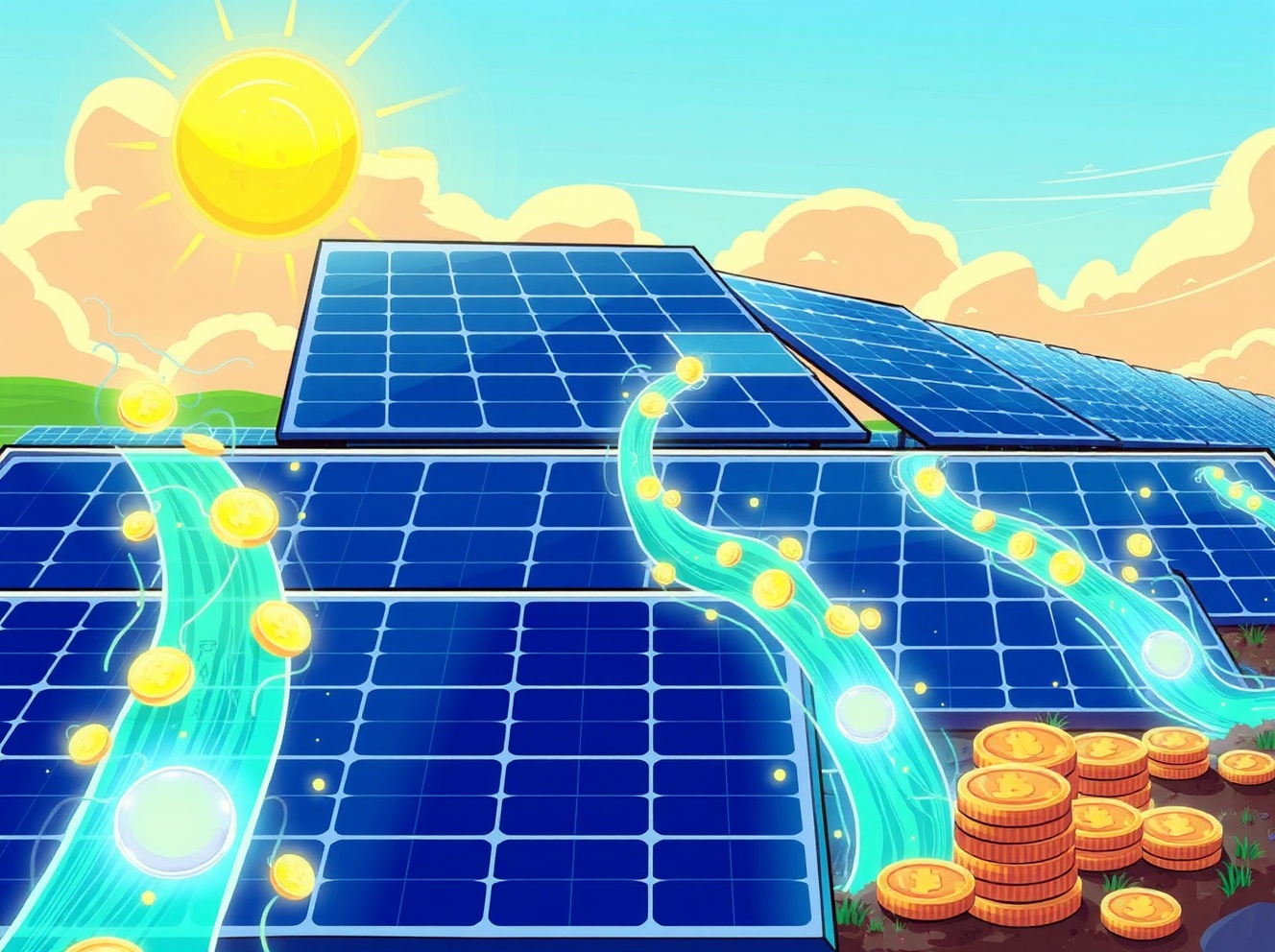
Revolutionary: How Daylight’s New Protocol Lets You Tokenize Electricity Revenue for Crypto Yield
Imagine if the sun could power not just your home, but your cryptocurrency portfolio. This groundbreaking vision is now a reality. Blockchain startup Daylight has launched an innovative Ethereum-based DeFi protocol with one powerful mission: to tokenize electricity revenue. This move could fundamentally reshape how we finance renewable energy and interact with decentralized finance.
What Does It Mean to Tokenize Electricity Revenue?
At its core, Daylight’s new system, called DayFi, creates a bridge between physical infrastructure and digital assets. The protocol takes the predictable cash flows generated by new solar power facilities and converts them into crypto-based yield products. Therefore, investors can gain exposure to real-world energy assets through the familiar framework of DeFi.
The mechanism is elegant. When a solar farm generates electricity and sells it, that revenue stream is digitized. Daylight’s protocol then packages this financial value into tradable tokens on the Ethereum blockchain. This process allows capital to flow more efficiently into building new clean energy projects.
How Does the DayFi Protocol Actually Work?
The system relies on two primary tokens: the GRID stablecoin and the sGRID yield token. Think of GRID as a stable digital currency pegged to the value of the electricity produced. The sGRID token, however, is where the magic happens for yield seekers.
By holding sGRID, investors essentially earn a share of the revenue generated by the underlying solar assets. This setup provides a compelling answer to a critical question: How can DeFi generate sustainable, real-world yield? The answer is by anchoring it to a tangible, necessary commodity—electricity.
- GRID Stablecoin: Acts as a stable medium of exchange, representing the base value of power.
- sGRID Yield Token: Allows holders to earn passive income from solar farm revenue.
- Capital Efficiency: Channels crypto investment directly into physical renewable energy expansion.
Why Is Tokenizing Energy Revenue a Game-Changer?
This model tackles two significant challenges simultaneously. First, it addresses the capital-intensive nature of building new solar infrastructure. By opening these projects to the global, 24/7 crypto market, fundraising can happen faster and from a broader pool of investors.
Second, it offers the DeFi ecosystem an asset class backed by real economic activity, not just speculative trading. This connection to the physical world could bring much-needed stability and legitimacy. Moreover, it aligns financial incentives with environmental progress—a powerful combination.
What Are the Potential Challenges and Considerations?
While the vision is transformative, the path has hurdles. Regulatory clarity around security tokens and real-world asset (RWA) tokenization is still evolving globally. The success of the protocol also depends on the reliable performance and revenue generation of the solar assets themselves.
Furthermore, the DeFi space is known for its complexity. Daylight must ensure the system is secure, transparent, and accessible enough for both crypto-native users and traditional green investors to participate confidently. Building this trust is paramount.
A Compelling Vision for a Sustainable Financial Future
Daylight’s launch represents more than just another DeFi protocol. It’s a bold step toward a future where financial markets directly fund the energy transition. The ability to tokenize electricity revenue creates a virtuous cycle: crypto capital builds solar farms, which generate clean power and revenue, which then flows back to token holders as yield.
This model has the potential to unlock trillions in value currently locked in illiquid infrastructure assets. It demonstrates how blockchain technology can move beyond digital speculation to solve real-world problems, creating a tangible impact on both our portfolios and our planet.
Frequently Asked Questions (FAQs)
Q: What does ‘tokenize electricity revenue’ actually mean?
A: It means converting the money earned from selling electricity (e.g., from a solar farm) into digital tokens on a blockchain. These tokens can then be traded, held, or used to earn yield, just like other cryptocurrencies.
Q: Is the GRID token a stablecoin?
A: Yes, the GRID token is designed as a stablecoin, meaning its value is pegged to the underlying revenue from electricity, aiming for price stability relative to that cash flow.
Q: How do I earn yield with sGRID?
A: By holding the sGRID token, you are entitled to a share of the revenue generated by the solar power facilities connected to the DayFi protocol. This revenue is distributed to holders, creating a yield.
Q: What are the risks involved?
A> Risks include smart contract vulnerabilities, regulatory changes, and the operational performance of the physical solar farms (e.g., less sunlight, maintenance issues affecting revenue).
Q: Can anyone invest in these tokens?
A: Access will depend on the platform’s requirements and local regulations. Typically, you would need a cryptocurrency wallet and likely need to interact with the protocol via a supported DeFi platform or exchange.
Q: How does this help the environment?
A: By providing a new, efficient way to fund the construction of new solar power facilities, the protocol directly channels investment into expanding renewable energy capacity, reducing reliance on fossil fuels.
Found this fusion of clean energy and crypto fascinating? Share this article on social media to spark a conversation about the future of sustainable finance! Let your network know how blockchain is powering real-world change.
To learn more about the latest trends in real-world asset (RWA) tokenization, explore our article on key developments shaping Ethereum’s role in institutional adoption and asset digitization.
This post Revolutionary: How Daylight’s New Protocol Lets You Tokenize Electricity Revenue for Crypto Yield first appeared on BitcoinWorld.


You May Also Like

The changing face of elder care in Malaysia — Sayed Mohammad Reza Yamani Sayed Umar

Not a loophole: Singapore AI export controls let China tap US AI legally

Q2 Market Insights: Bitcoin regains dominance in risk-averse environment, ETFs remain critical to market structure



