

Critical Fed Rate Cuts Now Hinge on Labor Market Weakness, Goldman Sachs Warns
BitcoinWorld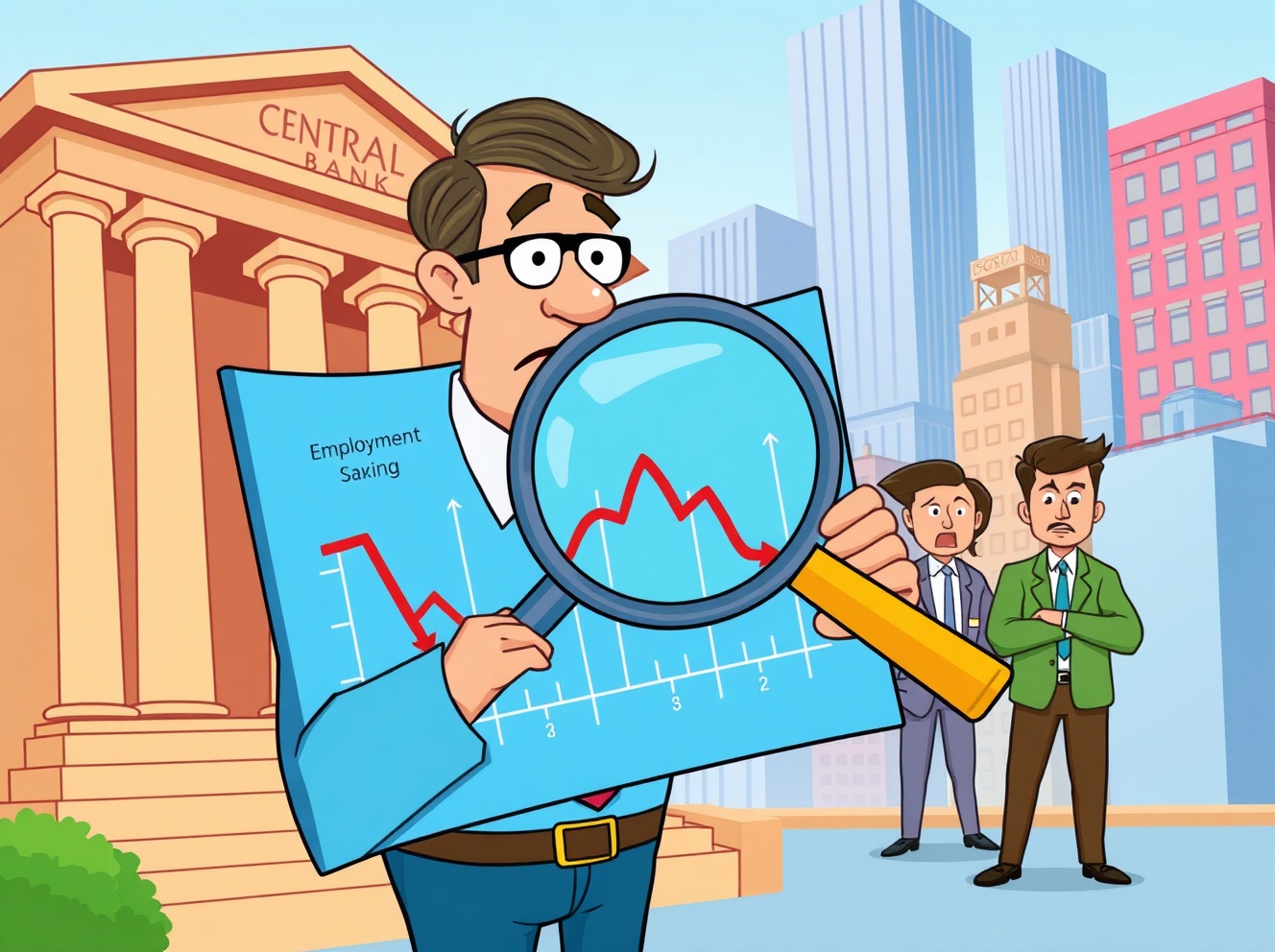
Critical Fed Rate Cuts Now Hinge on Labor Market Weakness, Goldman Sachs Warns
In a crucial development for financial markets, Goldman Sachs has delivered a sobering assessment: the Federal Reserve’s preventative Fed rate cuts are likely over. According to their analysis, any future monetary easing now depends entirely on one factor – tangible weakness in the labor market. This shift represents a significant pivot in the central bank’s approach that could impact everything from mortgage rates to cryptocurrency valuations.
What Changed in the Fed’s Rate Cut Strategy?
Goldman Sachs analyst Kay Haigh recently made a striking declaration that has rippled through financial circles. The Federal Reserve’s recent Fed rate cuts were primarily preventative measures, but that phase has concluded. According to Haigh, the central bank has essentially used up its “insurance” cuts and now requires concrete economic justification for any further easing.
This represents a fundamental shift in the Fed’s approach. Previously, the central bank could justify rate cuts based on potential risks or as precautionary measures. Now, the threshold has been raised significantly. The Fed needs to see actual economic deterioration, particularly in employment data, before considering additional Fed rate cuts.
Why Does Labor Market Data Matter So Much Now?
The labor market has become the critical battleground for monetary policy decisions. Here’s why employment data now holds the key to future Fed rate cuts:
- Employment as an economic indicator: Job numbers provide the clearest signal of economic health
- Wage pressure concerns: Strong employment can lead to wage inflation, which the Fed monitors closely
- Consumer spending impact: Employment levels directly affect consumer confidence and spending
- Political considerations: Labor market strength has significant political implications
Haigh’s analysis suggests that only clear deterioration in these employment metrics would justify additional Fed rate cuts. This creates a higher bar for monetary easing than markets might have anticipated.
Was the Last Rate Cut Just Political Theater?
Perhaps the most intriguing aspect of Goldman’s analysis concerns the motivation behind the most recent Fed rate cuts. Haigh suggested that based on the FOMC statement, the last rate reduction might have been designed to appease the hawkish faction within the committee.
This interpretation reveals the complex internal dynamics at the Federal Reserve. The central bank must balance multiple perspectives:
- Hawkish members concerned about inflation
- Dovish members focused on economic growth
- Centrists seeking a balanced approach
- External pressures from markets and politicians
If Haigh’s assessment is accurate, it means the Fed might have exhausted its ability to make consensus-driven preventative Fed rate cuts. Future decisions will require clearer economic justification that all factions can support.
What Labor Market Weakness Would Trigger More Fed Rate Cuts?
Understanding what constitutes sufficient “labor market weakness” is crucial for anticipating future Fed rate cuts. The Fed likely monitors several key indicators:
- Unemployment rate increases: Sustained upward movement beyond current levels
- Job creation slowdown: Monthly non-farm payrolls consistently below expectations
- Wage growth moderation: Reduction in wage pressure indicators
- Participation rate declines: Fewer people actively seeking employment
- Initial claims increases: Rising weekly unemployment insurance claims
These metrics would need to show consistent deterioration rather than temporary fluctuations. The Fed typically looks for trends rather than single data points when making significant policy decisions like Fed rate cuts.
How Should Investors Respond to This New Reality?
The Goldman Sachs analysis creates a new framework for market participants. With preventative Fed rate cuts off the table, investors need to adjust their strategies accordingly. This means paying closer attention to employment data releases and understanding how they might influence Fed decisions.
Market reactions to labor market reports will likely become more pronounced. Strong employment data could reduce expectations for future Fed rate cuts, potentially strengthening the dollar and affecting various asset classes. Conversely, weak employment numbers might increase rate cut expectations, with corresponding market impacts.
This shift also affects longer-term planning. Businesses and investors can no longer count on the Fed providing “insurance” Fed rate cuts against potential economic weakness. They must prepare for a Fed that requires concrete evidence before taking action.
The Bottom Line: A More Cautious Federal Reserve
Goldman Sachs’ analysis paints a picture of a Federal Reserve that has become more cautious and data-dependent. The era of preventative Fed rate cuts appears to be over, replaced by a policy framework that demands clear economic justification, particularly from the labor market.
This development has significant implications for financial markets, business planning, and economic forecasting. The bar for additional Fed rate cuts has been raised, and only tangible labor market weakness will clear it. As we move forward, employment data will command even greater attention from all market participants.
Frequently Asked Questions
What did Goldman Sachs say about future Fed rate cuts?
Goldman Sachs analyst Kay Haigh stated that the Federal Reserve’s preventative rate cuts are over. Future rate cuts will require clear evidence of labor market weakness, specifically deterioration in employment data.
Why is the labor market so important for Fed decisions now?
The labor market serves as the most reliable indicator of economic health. Strong employment data suggests a robust economy that doesn’t need stimulus, while weakness could justify additional monetary easing through rate cuts.
What kind of labor market data would trigger more rate cuts?
The Fed would need to see consistent deterioration across multiple indicators, including rising unemployment, slowing job creation, moderating wage growth, and increasing unemployment claims over several months.
Was the last Fed rate cut just political?
According to Goldman’s analysis, the most recent rate cut may have been designed to appease hawkish committee members rather than being purely data-driven, suggesting internal Fed dynamics influenced the decision.
How does this affect ordinary investors?
Investors need to pay closer attention to employment data releases, as these will have greater impact on Fed decisions and market movements. The Fed is less likely to provide “insurance” cuts against potential economic weakness.
What’s the main takeaway from this analysis?
The Federal Reserve has raised the threshold for future rate cuts. They now require concrete evidence of economic weakness, particularly in the labor market, rather than acting preventatively based on potential risks.
Found this analysis helpful? Share this crucial insight about Federal Reserve policy and labor market dependence with your network on social media. Understanding these dynamics can help everyone make better financial decisions in today’s complex economic environment.
To learn more about how monetary policy decisions impact cryptocurrency markets, explore our article on key developments shaping Bitcoin price action during Federal Reserve policy shifts.
This post Critical Fed Rate Cuts Now Hinge on Labor Market Weakness, Goldman Sachs Warns first appeared on BitcoinWorld.
You May Also Like

Half a Million Users Locked Tokens That Will Never Exist—What Pi Network Is Really Testing

Why blockchain is secure: Key pillars and what they mean


