

Nvidia H200 Production Surge: How China’s Insatiable AI Chip Demand is Reshaping Global Tech Politics

BitcoinWorld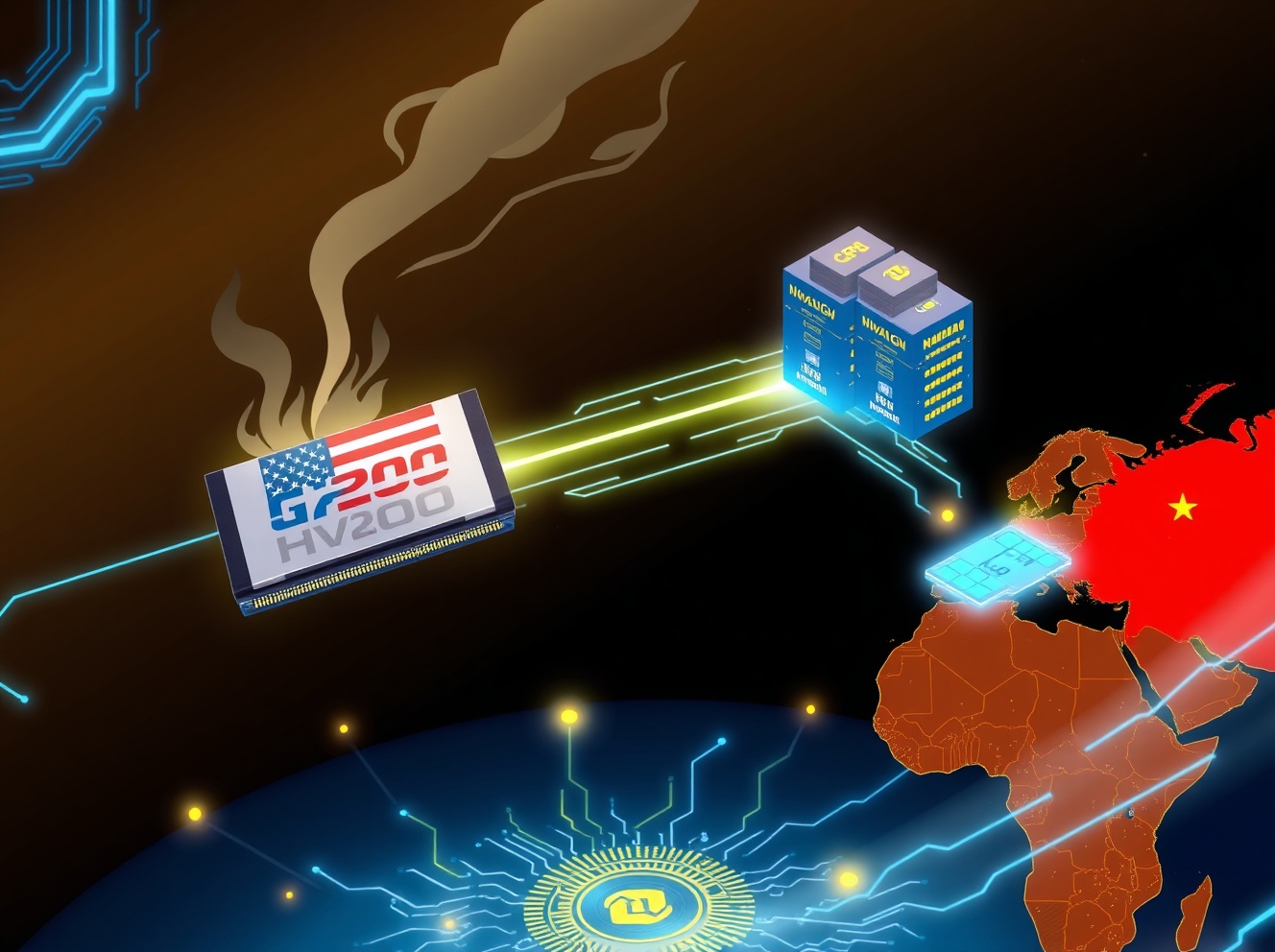
Nvidia H200 Production Surge: How China’s Insatiable AI Chip Demand is Reshaping Global Tech Politics
In a stunning development that reveals the explosive intersection of artificial intelligence and global geopolitics, Nvidia is reportedly preparing to dramatically increase production of its powerful H200 AI chips specifically to meet surging demand from Chinese tech giants. This strategic pivot comes just weeks after the Trump administration approved controversial export licenses, creating a high-stakes scenario where cutting-edge American technology fuels China’s AI ambitions. For cryptocurrency and tech investors watching semiconductor markets, this move signals profound shifts in supply chains, regulatory landscapes, and competitive dynamics that could ripple through global markets for years to come.
Why is Nvidia Ramping Up H200 Production Now?
The decision to boost H200 manufacturing capacity represents a calculated response to immediate market pressures and long-term strategic positioning. According to Reuters sources, Chinese companies including Alibaba and ByteDance have already initiated discussions about substantial orders for these advanced chips, which are currently produced in limited quantities. This demand surge follows the Department of Commerce’s recent approval of H200 sales to China, granted in exchange for a 25% revenue share arrangement. The situation creates a complex balancing act for Nvidia: capturing lucrative Chinese market share while navigating intensifying US-China technology competition and export control regimes.
Understanding the H200’s AI Chip Superiority
To appreciate why Chinese companies are scrambling for these specific processors, consider what makes the H200 exceptional:
| Feature | H200 GPU | Previous Generation | China-Customized H20 |
|---|---|---|---|
| Memory Bandwidth | Significantly Higher | Standard | Limited |
| AI Training Speed | Industry-Leading | Competitive | Restricted |
| Export Status | Recently Approved | Previously Restricted | Always Permitted |
| Target Market | Global AI Development | General AI/Compute | China-Specific |
The H200 represents the most powerful iteration of Nvidia’s Hopper-generation graphics processing units specifically engineered for training large language models. Its capabilities far exceed the deliberately limited H20 GPUs that Nvidia previously customized for the Chinese market under earlier restrictions. This performance gap explains why Chinese AI developers view access to H200 chips as potentially transformative for their competitive positioning in global artificial intelligence races.
China’s Intense Demand for Advanced AI Chips
Several converging factors explain the unprecedented Chinese demand that’s prompting Nvidia’s production considerations:
- AI Development Race: Chinese tech giants are aggressively developing proprietary AI models to compete with Western counterparts, requiring immense computational power
- Domestic Chip Limitations: Despite significant investment, China’s homegrown AI chips still lag behind cutting-edge offerings from Nvidia and other Western manufacturers
- Efficiency Focus: With access to latest hardware constrained, Chinese companies have prioritized computational efficiency, making superior chips particularly valuable
- Strategic Stockpiling: Concerns about future export restrictions may be driving companies to secure advanced chips while available
Geopolitical Implications of GPU Production Expansion
The potential production ramp-up occurs within a delicate geopolitical context. The previous Biden administration had implemented rules specifically limiting sales of advanced AI chips to China, citing national security concerns. The Trump administration’s reversal, while creating immediate business opportunities for Nvidia, raises questions about long-term technology transfer and competitive dynamics. Chinese officials reportedly remain undecided about whether to permit H200 imports, suggesting internal debates about dependence on foreign technology versus immediate AI development needs.
What This Means for Global Chip Exports and Markets
Nvidia’s situation illuminates broader trends in semiconductor geopolitics and market dynamics:
- Revenue Diversification: Increased Chinese sales could help Nvidia reduce dependence on Western markets amid growing AI investment globally
- Regulatory Precedent: The 25% revenue sharing arrangement with US authorities establishes a new model for controlled technology exports
- Supply Chain Implications: Production adjustments for specific markets may affect global availability and pricing of advanced chips
- Competitive Responses: Other semiconductor manufacturers will likely adjust strategies based on Nvidia’s China engagement model
Challenges and Considerations for Nvidia’s Strategy
While the Chinese market presents significant revenue potential, Nvidia faces several complex challenges:
- Political Volatility: Future US administrations could reverse export approvals, disrupting business plans
- Chinese Self-Sufficiency Efforts: China’s substantial investments in domestic semiconductor capabilities may eventually reduce dependence on foreign chips
- Competitive Dynamics: Other chip designers and manufacturers may develop alternative solutions for Chinese customers
- Reputational Considerations: Balancing commercial interests with geopolitical sensitivities requires careful navigation
FAQs: Understanding the Nvidia H200 China Situation
What makes the H200 chips so valuable for AI development?
The H200 represents Nvidia’s most advanced GPU specifically optimized for training large language models, offering significantly greater performance than previous generations or China-specific variants.
Which Chinese companies are seeking H200 chips?
Major Chinese technology firms including Alibaba and ByteDance (creator of TikTok) have reportedly engaged with Nvidia regarding substantial orders as they develop competitive AI models.
How did US policy change regarding chip exports to China?
The Trump administration approved H200 sales after the previous Biden administration had restricted advanced AI chip exports, though with a 25% revenue sharing requirement with US authorities.
What are China’s domestic AI chip capabilities?
While China has invested heavily in homegrown semiconductor technology through companies like SMIC, its most advanced chips still trail cutting-edge offerings from Nvidia and other Western manufacturers in performance for AI training tasks.
Could this situation change again?
Yes. Both Chinese import decisions and future US export policies remain uncertain, creating potential volatility for Nvidia’s strategic planning and production investments.
Conclusion: A Pivotal Moment in Tech Geopolitics
The potential ramp-up of Nvidia H200 production for Chinese markets represents more than a simple business decision—it’s a microcosm of the intense competition and complex interdependencies shaping global technology leadership. As artificial intelligence becomes increasingly central to economic and strategic advantage, access to cutting-edge hardware like the H200 GPUs emerges as a critical factor in national competitiveness. Nvidia’s navigation of US export controls, Chinese demand patterns, and production logistics will provide valuable insights into how technology companies can operate within increasingly fragmented global markets. The outcome will influence not only semiconductor industry dynamics but also the broader balance of AI capabilities between competing geopolitical blocs.
To learn more about the latest AI chip and semiconductor market trends, explore our comprehensive coverage on key developments shaping artificial intelligence hardware, export policies, and global technology competition.
This post Nvidia H200 Production Surge: How China’s Insatiable AI Chip Demand is Reshaping Global Tech Politics first appeared on BitcoinWorld.
You May Also Like
Voyager Technologies (VOYG) Stock Jumps 5% as Citi Sees 58% More Room to Run

US Treasury Secretary Bessant: The US will control the Strait of Hormuz sooner or later.


