

Critical Nasdaq Delisting Risk Threatens Bitcoin-Investing Firm KindlyMD
BitcoinWorld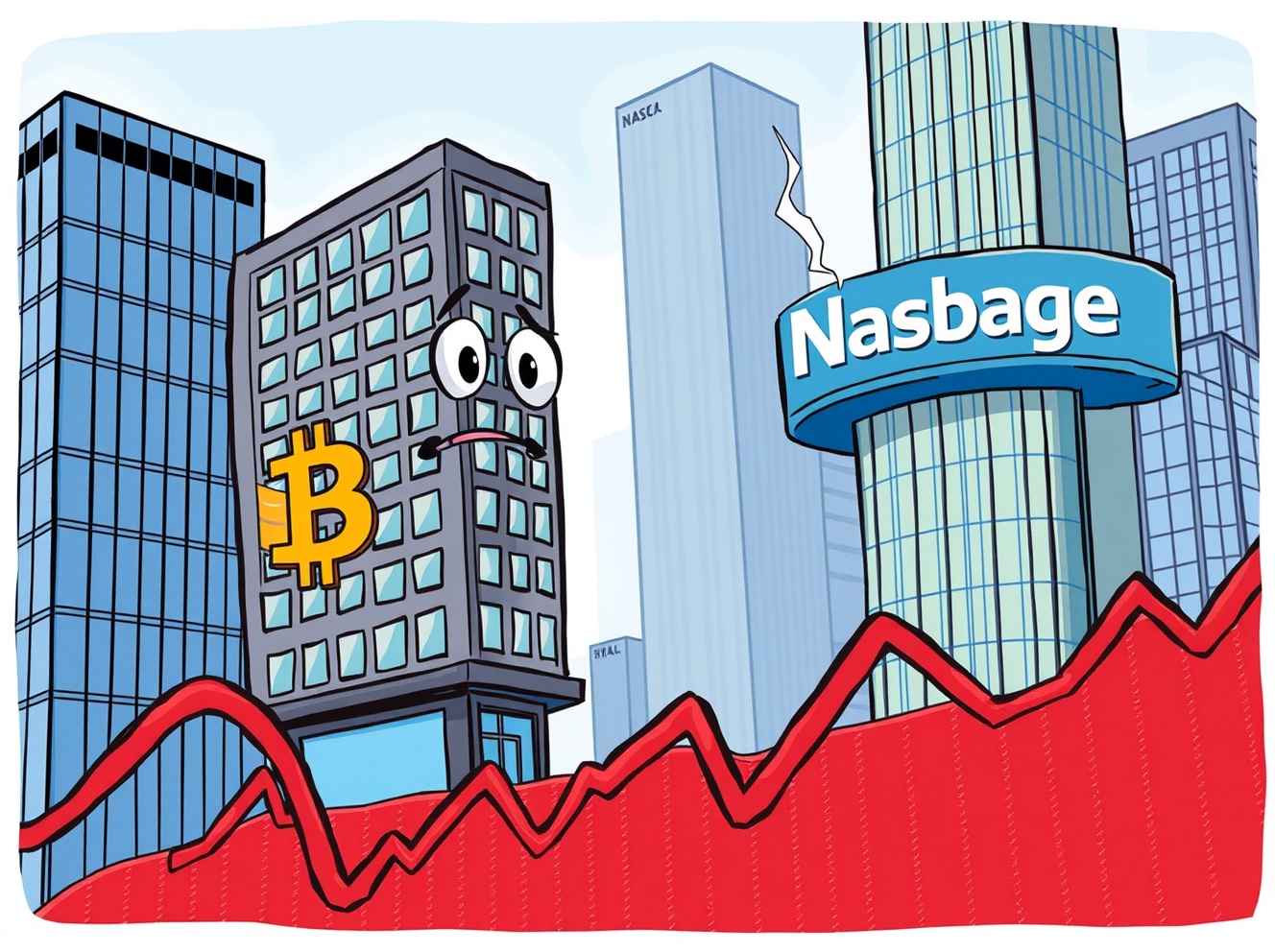
Critical Nasdaq Delisting Risk Threatens Bitcoin-Investing Firm KindlyMD
In a stark warning for cryptocurrency investors, publicly-traded Bitcoin investment firm KindlyMD now faces a critical Nasdaq delisting risk. The company’s stock has plunged below the crucial $1 threshold, triggering compliance alarms and putting its exchange listing in serious jeopardy. This development highlights the volatile intersection of traditional finance regulations and the emerging crypto asset class.
What Exactly is the Nasdaq Delisting Risk for KindlyMD?
According to an SEC filing reported by CoinDesk, KindlyMD (ticker: NAKA) has failed to meet Nasdaq’s minimum bid price requirement. The company’s stock closed below $1 for 30 consecutive trading days, activating a formal compliance notice. This Nasdaq delisting risk isn’t just a technicality—it represents a fundamental challenge to the company’s ability to maintain its public market status.
The timeline for resolution is clear but challenging. KindlyMD has until June 8, 2026, to regain compliance. To achieve this, their stock must close at or above $1 for 10 consecutive trading days. Failure to meet this benchmark will initiate formal delisting procedures, potentially removing the stock from the Nasdaq exchange entirely.
How Did KindlyMD Reach This Critical Point?
The numbers tell a concerning story. As of December 15, KindlyMD’s stock closed at just $0.38. More alarmingly, this price represents only 81.7% of the company’s modified net asset value (mNAV). This discount suggests that the market values the company’s assets—which include Bitcoin investments—significantly below their reported worth.
Several factors likely contributed to this situation:
- Bitcoin price volatility affecting the perceived value of their holdings
- Market skepticism about crypto-focused business models
- Broader regulatory uncertainty surrounding cryptocurrency investments
- Investor caution toward companies with concentrated crypto exposure
What Does This Mean for Bitcoin Investors?
This Nasdaq delisting risk serves as a crucial case study for cryptocurrency market participants. Publicly-traded companies with significant Bitcoin exposure face unique challenges in traditional financial markets. Their fortunes become tied not only to crypto market movements but also to exchange compliance requirements designed for conventional businesses.
The situation raises important questions about the viability of pure-play crypto investment vehicles in regulated public markets. While Bitcoin adoption grows, traditional exchanges maintain strict listing standards that don’t always align with crypto market realities.
Can KindlyMD Overcome This Challenge?
The company now faces a critical test of its strategic planning and investor relations capabilities. Several potential paths exist:
- Reverse stock split to artificially boost the share price above $1
- Strategic partnerships or investments to restore market confidence
- Asset sales or restructuring to improve balance sheet perception
- Enhanced communication about their Bitcoin investment strategy
However, each option carries its own risks and challenges. A reverse split, while technically solving the price problem, doesn’t address underlying valuation issues. Strategic moves require time that the compliance clock may not allow.
The Broader Implications for Crypto Markets
This Nasdaq delisting risk extends beyond KindlyMD alone. It signals to other crypto-related public companies that traditional exchanges will enforce their rules regardless of the underlying asset class. This creates additional pressure for crypto businesses to maintain both regulatory compliance and market confidence simultaneously.
For investors, it emphasizes the importance of due diligence when considering crypto-exposed public companies. Exchange listing provides liquidity and visibility but comes with stringent requirements that crypto-native businesses might find challenging to meet consistently.
Conclusion: A Warning Signal for Crypto Integration
KindlyMD’s predicament serves as a cautionary tale about the ongoing integration of cryptocurrency investments into traditional financial systems. The Nasdaq delisting risk highlights the tension between innovative asset classes and established market regulations. As the crypto industry matures, more companies will likely face similar challenges balancing innovation with compliance.
The coming months will reveal whether KindlyMD can navigate these treacherous waters or become a statistic in the complex relationship between cryptocurrency and conventional finance. Either outcome will provide valuable lessons for investors, regulators, and crypto businesses alike.
Frequently Asked Questions
What triggers a Nasdaq delisting risk?
A Nasdaq delisting risk typically triggers when a company’s stock falls below $1 for 30 consecutive trading days. Exchanges have minimum price requirements to ensure sufficient market interest and liquidity.
How long does KindlyMD have to fix this problem?
KindlyMD has until June 8, 2026, to regain compliance. They must achieve a closing stock price of $1 or higher for 10 consecutive trading days before this deadline.
What happens if KindlyMD gets delisted?
If delisted, KindlyMD stock would likely trade on over-the-counter (OTC) markets. This typically reduces liquidity, increases trading costs, and diminishes visibility among institutional investors.
Does this affect KindlyMD’s Bitcoin holdings?
The delisting risk doesn’t directly affect their Bitcoin holdings, but it reflects market sentiment about their investment strategy. A delisting could make it harder to raise capital for additional Bitcoin purchases.
Are other crypto companies facing similar risks?
While not widespread, other crypto-focused public companies have faced exchange compliance challenges. The volatile nature of crypto assets can sometimes conflict with traditional exchange requirements.
Can investors still trade KindlyMD stock during this process?
Yes, trading continues normally during the compliance period. However, the delisting risk may increase price volatility as investors assess the company’s chances of recovery.
Found this analysis of KindlyMD’s Nasdaq delisting risk helpful? Share this article with fellow investors and cryptocurrency enthusiasts on your social media channels. Understanding these market dynamics helps everyone make more informed decisions in the evolving crypto landscape.
To learn more about the latest Bitcoin market trends, explore our article on key developments shaping Bitcoin institutional adoption and regulatory developments.
This post Critical Nasdaq Delisting Risk Threatens Bitcoin-Investing Firm KindlyMD first appeared on BitcoinWorld.
You May Also Like

Story of Fake U.S. Treasury Secretary Benson Exposed

USDC Treasury mints 250 million new USDC on Solana


