The post B Rep. Max Miller Unveil Crypto Tax Bill, Includes De Minimis Rules appeared on BitcoinEthereumNews.com. Rep. Max Miller is circulating a 14-page draftThe post B Rep. Max Miller Unveil Crypto Tax Bill, Includes De Minimis Rules appeared on BitcoinEthereumNews.com. Rep. Max Miller is circulating a 14-page draft

B Rep. Max Miller Unveil Crypto Tax Bill, Includes De Minimis Rules

Rep. Max Miller is circulating a 14-page draft of a proposed crypto tax bill in the U.S. House of Representatives. The framework targets stablecoin payments, digital asset borrowing, and the tax timing of mining and staking rewards. It introduces measures that tighten how current tax rules apply to crypto transactions.

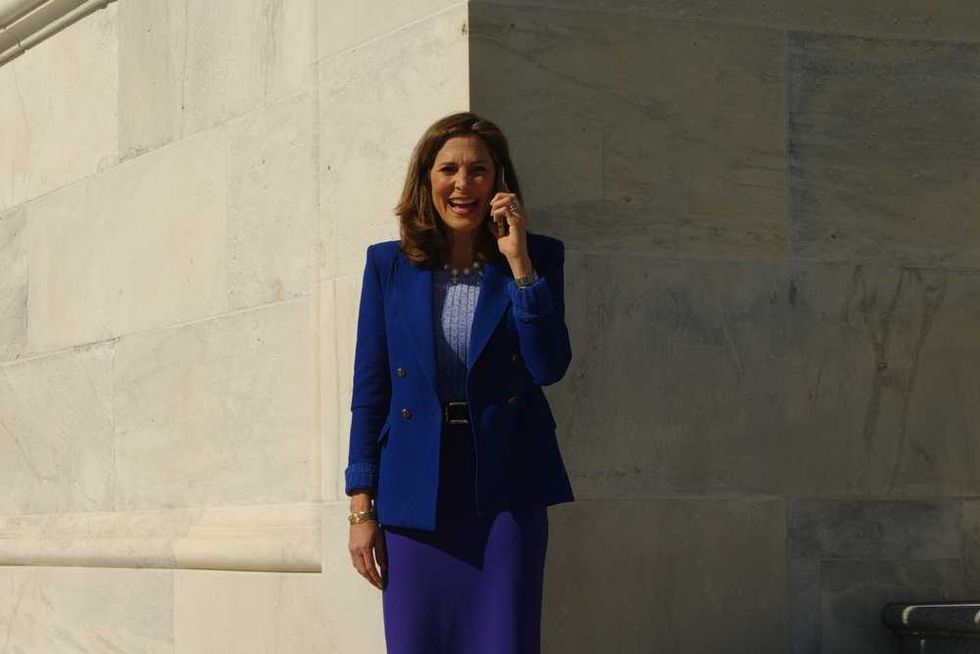
That crypto tax bill came to the surface after congressional reporter Laura Weiss flagged it in an X post. She named Representative Steven Horsford as the Democratic co-lead on the push. The pairing is a sign of bipartisan cooperation at the drafting stage. The suggested legislation has not been formally introduced.

Crypto Tax Bill Sets $200 Stablecoin De Minimis Rule

The statutory language suggests that the exemption is an administrative action. It is not meant to protect profits on your investments. Also, the draft states that continuing technical work has focused on whether there should be an annual aggregate limitation. The provision aims to stop repeated use of the exclusion from weakening tax collection.

Regulators are expected to supplement the bill with detailed rules and guidance. The measures would target anti-abuse rule involving related individuals or entities. The framework would also address coordinated arrangements designed to trigger multiple unintended exclusions from gross income.

Guidance may include requirements for recordkeeping and reporting. It could provide rules for allocating basis and characterizing appreciation when the exclusion is inapplicable. The model addresses cross transactions with goods, services

Digital Asset Lending and Staking Rules

In addition, another significant segment is the digital asset lending industry. The bill extends nonrecognition treatment to true lending of fungible and liquid digital assets. The lender must have the right to receive back identical property.

The draft limits this approach to misuse. Lending transactions cannot function as a sale or disposal. The Treasury would issue guidance to prevent disguised sales, basis shifting, and other tax avoidance practices.

The lending provision doesn’t cover some asset classes. This includes non-fungible tokens, illiquid digital assets and thinly traded tokens. The provision excludes tokenized securities and synthetic or derivative-based instruments.

The bill extends to income from mining and staking as well, with the Crypto tax compliance. It describes mining or staking as a process of validating transactions on an encrypted shared ledger. Taxpayers could have opted to defer recognition of incentives. And the deferral period would last through the end of calendar 5th taxable year following receipt.

Source: https://coingape.com/rep-max-miller-unveil-crypto-tax-bill-includes-de-minimis-rules/

Market Opportunity
B Logo
B Price(B)
$0,13198
$0,13198$0,13198
-1,58%
USD
B (B) Live Price Chart
Disclaimer: The articles reposted on this site are sourced from public platforms and are provided for informational purposes only. They do not necessarily reflect the views of MEXC. All rights remain with the original authors. If you believe any content infringes on third-party rights, please contact service@support.mexc.com for removal. MEXC makes no guarantees regarding the accuracy, completeness, or timeliness of the content and is not responsible for any actions taken based on the information provided. The content does not constitute financial, legal, or other professional advice, nor should it be considered a recommendation or endorsement by MEXC.

You May Also Like

Cashing In On University Patents Means Giving Up On Our Innovation Future

Cashing In On University Patents Means Giving Up On Our Innovation Future

The post Cashing In On University Patents Means Giving Up On Our Innovation Future appeared on BitcoinEthereumNews.com. “It’s a raid on American innovation that would deliver pennies to the Treasury while kneecapping the very engine of our economic and medical progress,” writes Pipes. Getty Images Washington is addicted to taxing success. Now, Commerce Secretary Howard Lutnick is floating a plan to skim half the patent earnings from inventions developed at universities with federal funding. It’s being sold as a way to shore up programs like Social Security. In reality, it’s a raid on American innovation that would deliver pennies to the Treasury while kneecapping the very engine of our economic and medical progress. Yes, taxpayer dollars support early-stage research. But the real payoff comes later—in the jobs created, cures discovered, and industries launched when universities and private industry turn those discoveries into real products. By comparison, the sums at stake in patent licensing are trivial. Universities collectively earn only about $3.6 billion annually in patent income—less than the federal government spends on Social Security in a single day. Even confiscating half would barely register against a $6 trillion federal budget. And yet the damage from such a policy would be anything but trivial. The true return on taxpayer investment isn’t in licensing checks sent to Washington, but in the downstream economic activity that federally supported research unleashes. Thanks to the bipartisan Bayh-Dole Act of 1980, universities and private industry have powerful incentives to translate early-stage discoveries into real-world products. Before Bayh-Dole, the government hoarded patents from federally funded research, and fewer than 5% were ever licensed. Once universities could own and license their own inventions, innovation exploded. The result has been one of the best returns on investment in government history. Since 1996, university research has added nearly $2 trillion to U.S. industrial output, supported 6.5 million jobs, and launched more than 19,000 startups. Those companies pay…
Share
BitcoinEthereumNews2025/09/18 03:26
Spur Protocol Daily Quiz 21 February 2026: Claim Free Tokens and Boost Your Crypto Wallet

Spur Protocol Daily Quiz 21 February 2026: Claim Free Tokens and Boost Your Crypto Wallet

Spur Protocol Daily Quiz February 21 2026: Today’s Correct Answer and How to Earn Free In-App Tokens The Spur Protocol Daily Quiz for February 21, 2026, is
Share
Hokanews2026/02/21 17:10
Alex Acosta Tells Congress He Has No ‘Remorse’ For Jeffrey Epstein ‘Sweetheart Deal,’ Lawmaker Says

Alex Acosta Tells Congress He Has No ‘Remorse’ For Jeffrey Epstein ‘Sweetheart Deal,’ Lawmaker Says

The post Alex Acosta Tells Congress He Has No ‘Remorse’ For Jeffrey Epstein ‘Sweetheart Deal,’ Lawmaker Says appeared on BitcoinEthereumNews.com. Topline A central figure in the Jeffrey Epstein sexual abuse saga—former prosecutor Alex Acosta, who granted in 2007 the former financier what’s been widely blasted as a “sweetheart deal” for his alleged crimes—has no regrets about the agreement, a Democratic lawmaker told CNN on Friday, as the former Trump official faces questioning from the House Oversight Committee. Alex Acosta, center, arrives for a House Oversight Committee deposition about Jeffrey Epstein on September 19 in Washington D.C. CQ-Roll Call, Inc via Getty Images Key Facts This story is breaking and will be updated. Source: https://www.forbes.com/sites/alisondurkee/2025/09/19/prosecutor-acosta-who-gave-epstein-sweetheart-deal-testifies-he-no-remorse-lawmaker-says/
Share
BitcoinEthereumNews2025/09/20 06:37