The Federal Reserve meeting minutes revealed a divergence of opinions on interest rate cuts: most officials expected continued easing, but the timing and magnitude remained uncertain.
PANews reported on December 31 that, according to the minutes of the Federal Open Market Committee (FOMC) meeting held on December 9-10, most Federal Reserve officials believed that further interest rate cuts were appropriate as long as inflation declined over time. However, the minutes showed that officials remained divided on when and by how much to cut rates. The minutes highlighted the difficulties policymakers faced in their most recent decision. The decision slightly reinforced market expectations that the Fed would keep interest rates unchanged when it meets again in January 2026. The minutes stated, "Some officials who supported lowering the policy rate at this meeting said that the decision was a 'delicate balance,' or that they could have supported maintaining the target range for the interest rate." The minutes showed that some officials believed that "it would be appropriate to keep the target range unchanged for some time after lowering the rate range at this meeting." Although the median forecast released after the meeting pointed to a 25-basis-point rate cut in 2026, individual forecasts were very wide-ranging. Investors expect at least two rate cuts in the coming year.
Furthermore, the minutes noted considerable disagreement among policymakers regarding whether inflation or unemployment posed a greater threat to the U.S. economy. The minutes stated, "Most participants noted that moving toward a more neutral policy stance would help prevent the possibility of a severe deterioration in labor market conditions." However, the minutes also continued, "Several participants pointed to the risk of high inflation becoming entrenched and suggested that further reductions in policy rates against a backdrop of high inflation readings could be misinterpreted as a sign of weakened commitment to achieving the 2% inflation target." With the government shutdown lasting throughout October and nearly half of November, officials lacked the usual levels of economic data. However, policymakers indicated that new data could provide assistance in the coming weeks. Since the meeting, newly released data has done little to resolve the divisions within the Federal Reserve. The unemployment rate rose to 4.6% in November, the highest level since 2021, while consumer price increases were lower than expected. Both of these figures provided support for those advocating for rate cuts. However, the third-quarter annualized economic growth rate of 4.3%, the fastest pace in two years, could fuel concerns about inflation among officials opposed to a December rate cut.


You May Also Like

The Chemistry of UV Resistance: How Titanium Dioxide Protects Against the California Sun
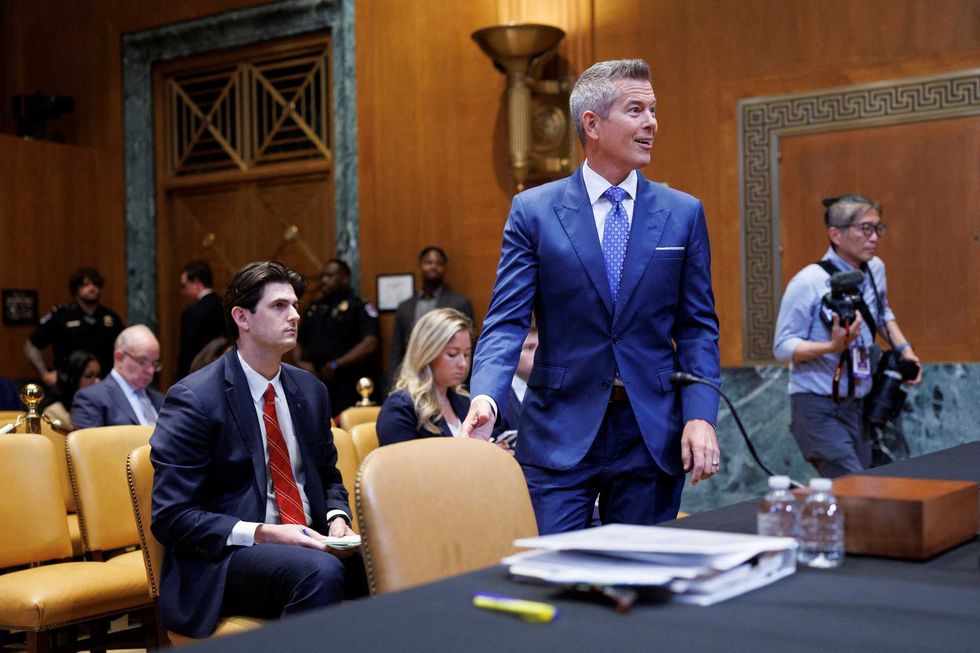
'You are wasting my time': Senator loses patience as Sean Duffy retorts 'Welcome to MAGA'