

CZ Forecasts Pakistan as Major Crypto Player by 2030
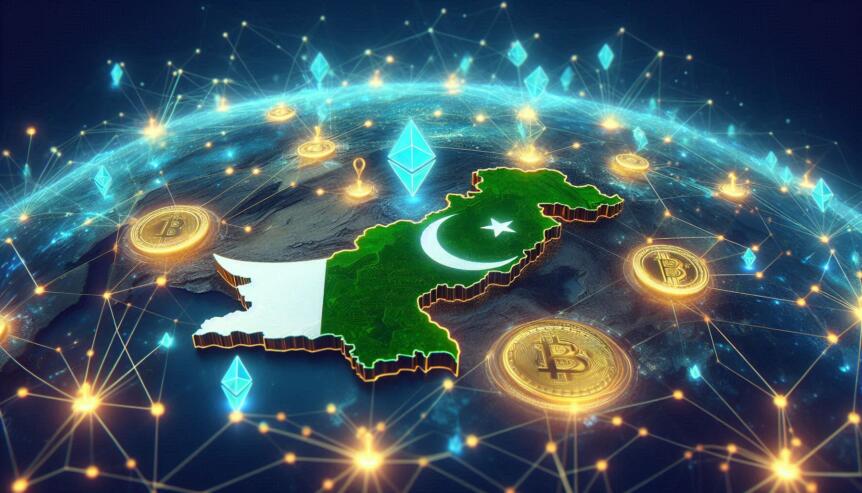
Pakistan is accelerating efforts to formalize its cryptocurrency market through new regulations, exchange licensing, and plans to tokenize real-world assets, a move that former Binance CEO Changpeng Zhao said could position the country as a global crypto leader within five years.
Speaking in a recent interview with Pakistan Crypto Council (PCC) Chief Executive Officer Bilal bin Saqib, Zhao praised Pakistan’s leadership for acting swiftly to meet growing domestic demand for digital assets, particularly among the country’s young and tech-savvy population.
“I think it’s fantastic to see a country of this size able to have such a clear vision from the leadership and move at this speed,” Zhao said. “If we keep moving at this pace, Pakistan will be one of the crypto leaders in the world within five years.”
Over the past year, Pakistan has stepped up efforts to bring its digital asset ecosystem under a formal regulatory framework. Authorities have established the Pakistan Virtual Assets Regulatory Authority (PVARA), permitted major global exchanges including Binance and HTX to operate locally, and indicated plans to develop a national Bitcoin reserve.
Zhao Says Tokenization Could Transform Pakistan Markets
The tokenization of real-life assets is also another approach that has been investigated by the government as a larger policy to appeal to foreign investment and enhance liquidity in the domestic markets. Zhao indicated that tokenization may become the focal point of the crypto strategy in Pakistan, especially when it is expanded to the general markets.
When Zhao was asked whether the possibility of tokenizing the stock market in Pakistan existed, he replied that its advantages were evident. He said that none of the countries would not prefer the global population to purchase their stocks and that tokenized equities would provide international investors with direct exposure to Pakistani businesses.
He encouraged policymakers to act with speed, insisting that nations that embrace tokenization structures early on are most likely to have a sustained competitive advantage. Sustainability will most favorably apply to the countries that will install these systems first, Zhao said.
Going beyond national policy, Zhao emphasized on the opportunities that blockchain technology has to offer to individuals and small businesses. He indicated that crypto has a very low entry barrier to entrepreneurs compared to the traditional banking or artificial intelligence ventures.
Binance Secures AML Registration Under Pakistan Regulator
Zhao said that it generally takes capital, access to data, and infrastructure to start a bank or an AI firm. Entrepreneurs will find blockchain as one of the best places. The blockchain will never turn your back on you.
Nevertheless, Zhao warned that this would go only so far unless it was supported by education and institutions. According to him, to harness the local talent and turn regulatory momentum into long-term innovation, Pakistan would be required to increase university programs, incubators, and training.
The effects of regulatory development have already been felt. Through PVARA, one of the principal regulators of the money laundering sector, Binance was registered as an anti-money launderer earlier this month, one significant step to becoming a fully licensed Virtual Asset Service Provider (VASP) in Pakistan. The approval puts the exchange on a gradual compliance based ship way in line with Financial Action task force standards.
The regulation and tokenization coupled with high number of digital native population is expected to form the basis of making Pakistan one of the biggest contributors to the global economy of digital assets as policymakers and industry leaders work to formalize the crypto market in the country.
This article was originally published as CZ Forecasts Pakistan as Major Crypto Player by 2030 on Crypto Breaking News – your trusted source for crypto news, Bitcoin news, and blockchain updates.


You May Also Like

Dogecoin and Hyperliquid Are Heating Up — But This New Project Might Be the One to Watch

Alleged Huione Money Laundering Boss Extradited to China




