Is This Crypto Cycle Like 2021? What to Expect From Bitcoin and Altcoins in 2026

As crypto markets gain momentum in early 2026, comparisons to the 2021 bull cycle are everywhere. Traders point to familiar chart patterns and fractals, expecting history to repeat itself.
But while price action may rhyme, the broader market structure tells a very different story. From Bitcoin dominance and deeply discounted altcoins to macro-driven volatility and regulatory developments, this cycle is shaping up unlike any before.
So the real question isn’t whether this looks like 2021 — but whether it should be traded like it.
Why Comparing This Cycle to 2021 Can Be Misleading
Fractals focus on price patterns, not on conditions. And conditions have changed dramatically.
Just as the 2021 cycle differed from 2017, the current crypto cycle is evolving under a new set of drivers — macro policy, regulation, and capital concentration — that didn’t dominate previous bull markets.
Relying solely on chart similarities ignores these structural shifts.
Bitcoin Dominance Signals a Different Market Phase
One of the clearest differences is Bitcoin dominance:
2021 peak: ~40% BTC dominance
Current cycle: ~60% BTC dominance
This indicates that capital remains heavily concentrated in Bitcoin. In past cycles, major altcoin rallies typically occurred after Bitcoin dominance broke down sharply. That rotation has not happened yet.
For now, Bitcoin remains the primary beneficiary of liquidity.
Altcoins Are Entering This Cycle Already Oversold
In 2021:
- Altcoins were trading near all-time highs
- Alts/BTC and Alts/USD ratios peaked alongside Bitcoin
In the current cycle:
- Many altcoins are already down 80–90%
- Valuations are compressed, not euphoric
This changes the timing and structure of any potential altseason. Instead of topping with Bitcoin, altcoins are starting from deeply discounted levels — which could delay or fragment capital rotation.
Macro Conditions Have Completely Flipped
The macro backdrop is arguably the biggest divergence from 2021.
Last cycle:
- Federal Reserve was hiking rates
- Quantitative tightening dominated markets
This cycle:
- Rate cuts are being debated
- Political pressure on the Fed is rising
- Inflation data drives daily volatility
Key events shaping the current outlook include:
- US CPI releases
- Supreme Court tariff rulings
- Senate votes on crypto-related legislation such as the Clarity Act
Crypto is no longer insulated from macro. It is reacting to it in real time.
Dollar Weakness and Bitcoin Strength Are Back in Focus
Recent market behavior highlights a renewed inverse relationship:
- The US dollar is weakening
- Bitcoin is pushing higher despite volatility
This positions Bitcoin less as a speculative asset and more as a macro hedge, a role that was inconsistent during the 2021 bull market.
Gold at New All-Time Highs Changes the Narrative
Gold reaching a new all-time high around $4,600 is a major macro signal.
It reflects:
- Persistent inflation concerns
- Declining confidence in fiat currencies
- Capital rotation into hard assets
Bitcoin moving higher alongside gold strengthens the case that BTC is increasingly viewed as digital hard money — not just a high-beta risk asset.
What to Expect From This Crypto Cycle
Taking all signals together, this cycle is likely to unfold differently:
- Bitcoin may continue to outperform longer than in past cycles
- Altcoin rallies could be delayed, selective, and rotation-based
- Macro data and regulation will drive volatility
- Policy decisions may matter more than narrative hype
- The cycle could be longer, choppier, and more uneven
Rather than a rapid replay of 2021, the market appears to be transitioning into a macro-driven, Bitcoin-led cycle.
Final Thoughts
Fractals may look familiar, but markets evolve.
Higher Bitcoin dominance, crushed altcoin valuations, macro sensitivity, regulatory influence, and weakening fiat confidence are reshaping how this cycle behaves. Expecting a carbon copy of 2021 risks missing what truly defines this phase of the market.
This cycle isn’t just about price patterns — it’s about liquidity, policy, and where capital seeks protection.


You May Also Like

Bitcoin Open Interest Sees Largest Increase In 2026 — What’s Happening?
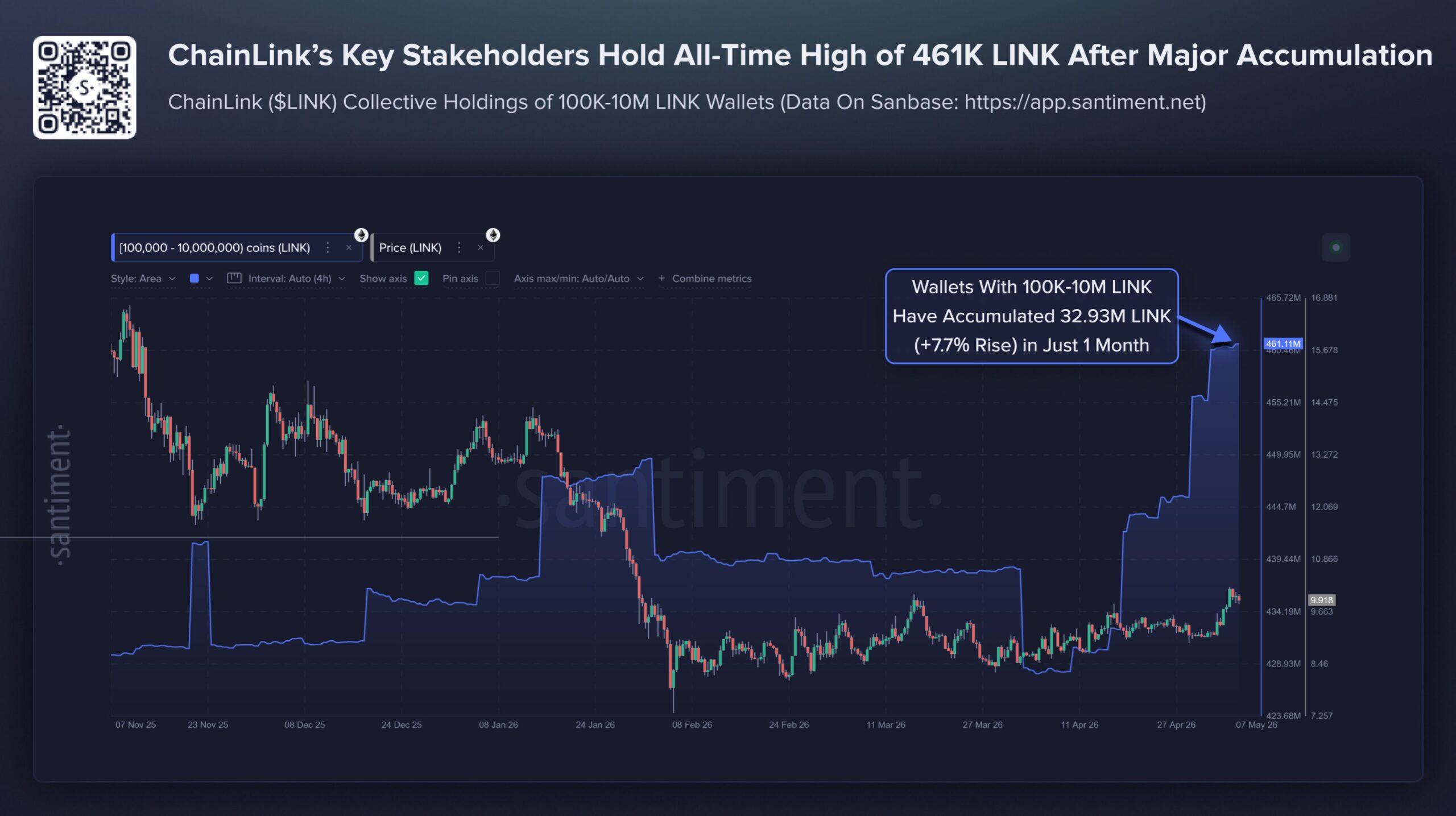
Chainlink Whales Buy 33 Million Coins, LINK Price Eyes $50 Rally As LINK ETF Inflows Surge