

Selfish Mining: Inside the Dark Strategy
Introduction
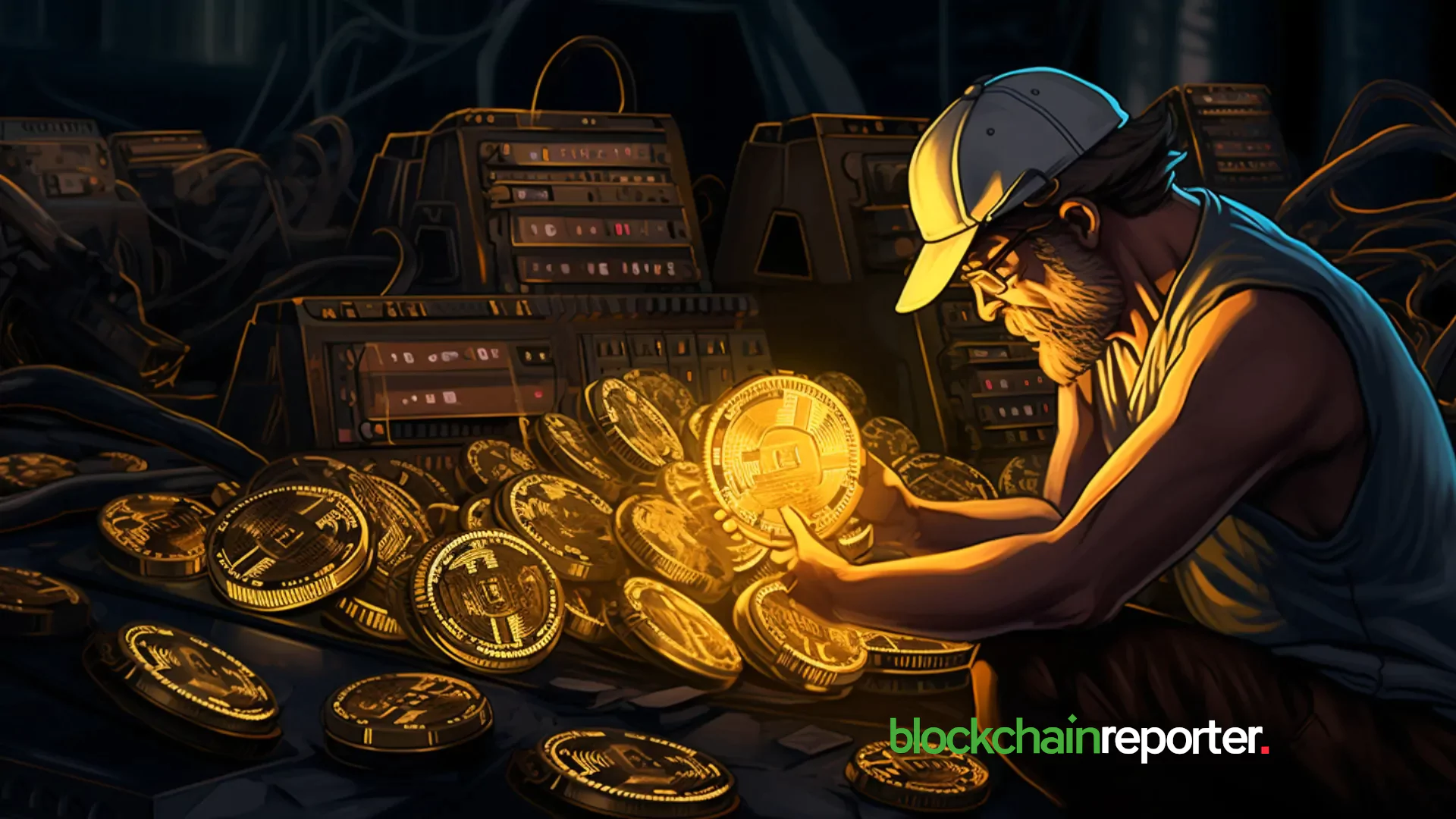
Despite the fact that no official number of Bitcoin miners is available, an estimate derived from hash rate reveals that over 4 million mining machines are active at the start of 2026. This is an exponential increase from 224,000 in early 2024. Likewise, you must have observed more and more people talking about Bitcoin and the crypto market. In general, people are more interested in knowing about and investing in the market, but few understand how risky it can actually be. Apart from well-known risks such as scams and hacks, there are also a few hidden threats of which few people are aware. One of these is selfish mining.
What is Selfish Mining?
In order to understand what selfish mining really is, you need to understand what honest and unselfish mining looks like. In a Proof-of-Work blockchain like Bitcoin, miners compete with one another in finding the next valid block on the chain. When a miner has found the block, they add it to the chain and broadcast the latest version of chain on the network. Since this version is one-block longer than the previous one, the network prioritizes it and keeps building on it. Selfish mining refers to a mining strategy in which an individual miner or a group withholds the newly found block until they add more, only to broadcast it to the network later when it has grown longer.
The problem with this strategy is that it tends to undermine and, later on, waste the work and energy invested by honest miners who have been adding new blocks and broadcasting the updated chain to the network immediately.
Threats Posed by Selfish Mining
At face value, you might think that selfish mining is just a clever tactic, and since the mining itself is a competition, it is fair to outperform others by playing tricks on them. However, the real problem is that selfish mining tends to put the very decentralized nature of the blockchain at risk. Suppose a miner keeps adding new blocks and increasing the chain secretly, and then releases their version to the network suddenly. The blockchain naturally accepts the longer version released by the bad actor.
If a large group of miners collude to adopt the strategy, the lesser miners are left with no option except building on the longer chain published by the selfish group. This situation may take the mining control into the hands of a dominant minority. At its worst, the dominant group may evolve into a majority to execute a 51% attack on the blockchain. Such an attack is destructive for the transparent and fair working of the blockchain as the majority can rewrite the rules and commit double-spending on the network.
Is Selfish Mining a Real Threat Today?
Notwithstanding the reward from the selfish mining, it can be highly risky, and hence uncommon on established chains like Bitcoin. The reason is very simple. When a selfish miner withholds a block, they get into very risky gambling that they might find one more block before the legitimate chain finds one. If they prove lucky and their rig (mining equipment) is powerful enough, they might be able to do so. However, their chain will most probably be rejected by the network because mining activity has evolved and accelerated enough to counter any such effort by a bad actor. All their energy and time go in vain in such situations.
A number of analysts suggest that the risk is theoretical. Academic and empirical research unveils the discussion is a part of security discourse within the field of blockchain technology. Reports show that researchers show that methods have been devised to detect selfish mining. Therefore, it is highly unlikely that a selfish miner continues in a recess adding blocks after blocks in the secret chain only to publish and capitalize afterwards.
How Network Participants Respond
Selfish mining has inspired many researchers and developers to think about defenses and detection methods. One approach is to introduce changes in network rules that make it harder to benefit from withholding blocks. Another research direction uses statistical detection and machine learning to identify abnormal mining patterns that might signal strategic block withholding.
When selfish mining behaviour is detected, it can damage the reputation of the miners who are involved in the activity and alert the wider community. This can lead to network protocol improvements or social pressure on mining pools to avoid dishonest strategies. Because blockchains are transparent, researchers and developers can watch how blocks appear on the chain and infer how miners behave over time.
Broader Implications for Blockchain Security
Selfish mining is more than a curiosity. It highlights a fundamental tension in decentralized consensus systems. Cryptocurrencies are designed so that individual participants are rewarded for helping the network succeed. But when a strategy appears that lets some players gain an advantage by breaking the protocol, it forces us to examine how stable and secure these systems really are.
In recent research drawn from machine learning and game theory, scholars are closely examining how different mining strategies behave when they operate together in real networks. These studies suggest that when several miners act in unison at the same time, the classic selfish mining approach may lose its advantage and fail to deliver consistent gains. What emerges from this research is a broader insight. Selfish mining is not merely a single exploit to be feared. It shows how fairness, cooperation, and occasional rivalry can influence the long-term balance and stability of blockchain systems.
Conclusion
Selfish mining exposes a subtle but important weakness in proof-of-work blockchains, where individual incentives can sometimes conflict with network fairness. While the strategy remains largely theoretical on mature networks like Bitcoin, it serves as a valuable stress test for decentralization and security. Ongoing research, improved detection methods, and community oversight help keep the risk in check, reinforcing the idea that transparency and collective vigilance are essential to maintaining a resilient blockchain ecosystem.


You May Also Like
Which Crypto Hits $1 First? Comparing ADA, DOGE & This Altcoin

BlockchainFX or Based Eggman $GGs Presale: Which 2025 Crypto Presale Is Traders’ Top Pick?




