What is the best platform to invest in crypto? A practical guide
FinancePolice aims to help everyday readers cut through listings and disclosures. We explain the practical tradeoffs between convenience and control, show which security claims to verify, and give a compact checklist you can use in about 10 minutes.
What a crypto platform is and how it works
Understanding a crypto investment platform
A crypto investment platform is any online service you use to buy, sell, hold, or move digital assets. Many readers think of an exchange when they hear the word platform, but the term also covers custody providers and wallet services.
Platforms vary by who holds the private keys. Custodial services keep keys for you and manage trades on your behalf, while noncustodial tools let you control keys directly in a private wallet. Consumer guidance notes that exchange balances are typically custodial and not the same as bank deposits, so understanding custody matters before you fund an account CFPB consumer advisory.
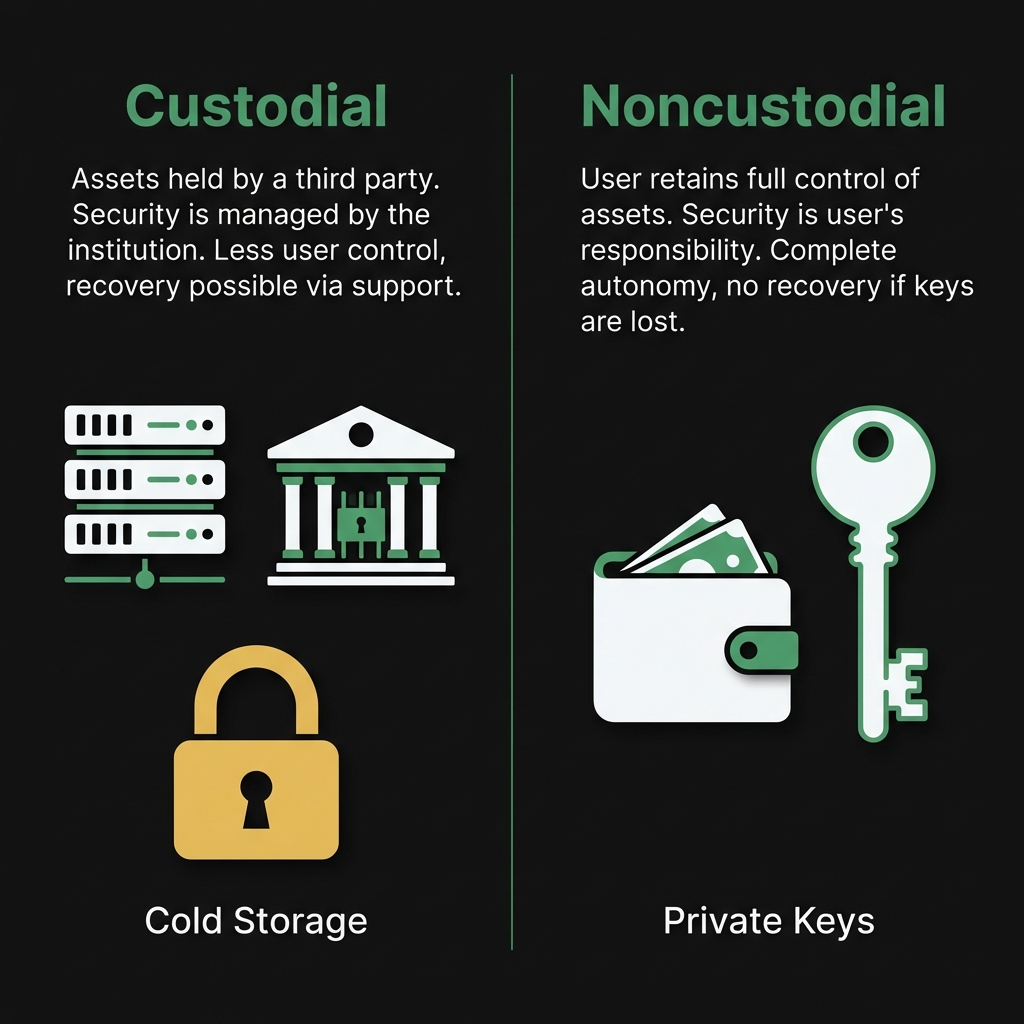
Typical user flows are straightforward. You fund an account by depositing fiat or crypto, place orders to buy or sell, and then either keep assets on the platform or withdraw them to a private wallet. Withdrawal steps usually require an address check and may include fees and confirmation waits. If you use a custodial platform, remember you rely on the platform’s security and recovery processes rather than direct control of a private key.
For beginners, the key decision is custody. Holding keys yourself increases responsibility but reduces counterparty exposure. Keeping funds on a custodial platform can be convenient, especially for active trading or simple buy and hold, but it usually means accepting limits on insurance and recovery options that platforms disclose in their terms FATF risk-based guidance.
How regulation and guidelines affect platform safety
Regulation shapes what users can reasonably expect from platforms. In the EU, the Markets in Crypto-Assets framework introduced region-wide rules that raise disclosure and compliance requirements for providers operating there, and platforms active in the EU must follow those requirements in how they report and organise services MiCA regulation text.

At a global level, the Financial Action Task Force sets risk-based expectations for AML and KYC that many regulators and licensing bodies reference when supervising virtual asset service providers. Those standards affect account verification processes, transaction monitoring, and licensing expectations in several jurisdictions FATF risk-based guidance.
Regulatory approaches outside the EU remain fragmented, which can lead to meaningful differences in protections, license types, and enforcement. This fragmentation means a platform that operates across borders may face very different rules depending on where it is licensed and where you live Global regulatory landscape study.
Quick jurisdiction check for a platform's regulatory claims
Check primary regulator sites for confirmation
For a user, regulatory status is a signal, not a guarantee. License listings and public filings can show whether a platform is subject to supervision, and where regulators publish enforcement records you can learn how authorities treat consumer complaints. Check regulator registries and a platform’s public compliance disclosures when you evaluate legal protections.
Security features that matter: custody, cold storage and proof-of-reserves
Security choices influence the size and type of risks you face. Platforms that keep a large portion of assets in cold storage reduce exposure to online attacks that target hot wallets or live systems. Cold storage typically means private keys are held offline in hardware or air-gapped systems, which can limit large-scale theft risk compared with keeping most funds on hot infrastructure Exchange Benchmark Report 2024.
Proof-of-reserves is a transparency tool some exchanges publish to show they hold assets that match customer balances. Independent exchange benchmarks show wide variation in how platforms present proof-of-reserves, the depth of cold storage, and the clarity of fee disclosure, so a named statement alone is not enough without supporting detail or third-party review Exchange Benchmark Report 2024. CoinShares analysis
On-chain crime has become a smaller share of total activity in recent years, but thefts, hacks and exit scams continue to cause significant losses for some users. That history means security disclosures and operational practices still matter for retail investors deciding where to keep funds Chainalysis Crypto Crime Report 2024.
When you read security statements, look for specifics: how much of reserves are held cold, whether withdrawals require multi-signature approval, and whether an independent auditor has reviewed a proof-of-reserves snapshot. Broad claims like secure storage are less useful than clear details you can verify or benchmark scores you can compare.
Fees, asset listings and transparency: what platforms should disclose
Fees are often a hidden source of long-term cost. Common fee types include trading fees charged per order or volume tier, the spread between buy and sell quotes, deposit and withdrawal fees, and separate custody or staking fees when a platform offers yield services.
How do I confirm a platform’s stated fees and listings?
Balance custody needs, fees, asset selection and regulatory exposure; use the provided checklist to verify custody arrangements, proof-of-reserves and fee disclosures before funding an account.
Independent benchmark reports often flag unclear fee tables, so use third-party summaries when available to cross-check a site’s own disclosures Exchange Benchmark Report 2024.
Asset listings matter because platforms that list many new or small tokens may have lower listing standards, which can increase risk for buyers. Check a platform’s listing policy and delisting history; abrupt delistings or frequent additions without clear criteria are a signal to investigate further. Consumer guidance recommends treating exchange holdings as custodial and verifying insurance or protection limits rather than assuming bank-like coverage CFPB consumer advisory.
Decision framework: how to choose a platform that fits your priorities
Step 1 is to define your primary goal and time horizon. Are you buying and holding for years, trading actively, or earning yield on idle assets? Your goal shapes which tradeoffs matter most; a buy-and-hold investor will prioritise custody and insurance, while an active trader might prioritise fees and execution speed.
Step 2 is to map platform features to that goal. Choose three priority tradeoffs from security, fees and asset selection. Score candidate platforms on each dimension and weigh them by how much each factor matters to your goal. For example, a high-security platform with limited assets might score well for a long-term holder but poorly for someone who needs many asset pairs Exchange Benchmark Report 2024.
Step 3 is to verify disclosures and regulatory status. Use public filings and regulator registers to confirm licensing claims where possible, and check for proof-of-reserves statements or third-party audits that support security disclosures. Regulation like MiCA affects provider obligations in some regions and so can change what platforms must disclose to users MiCA regulation text.
As you apply this framework, keep a simple scoring sheet. List your three priorities, rate each platform from 1 to 5 on those priorities, and add short notes on custody model, fee transparency and any unresolved questions you would need to confirm before funding an account.
Common mistakes and red flags to avoid
A frequent error is treating exchange balances like bank deposits. Platforms that custody assets may have limited insurance or recovery provisions, and consumer guidance recommends confirming any insurance limits and custody terms before you fund an account CFPB consumer advisory.
Other red flags are opaque proof-of-reserves statements that lack independent verification, unclear fee tables or frequent, unexplained delistings. Independent benchmark reports often call out platforms with weak disclosure practices, so a poor benchmark score is a reasonable reason to look for alternatives Exchange Benchmark Report 2024.
Be cautious with platforms operating under weak or fragmented regulation outside the EU, because inconsistent oversight can raise legal and operational risk for cross-border users. Where possible, prefer platforms that publish clear compliance statements or provide easy access to license information Global regulatory landscape study.
Quick checklist: compare platforms in 10 minutes
Below is a compact 10-point checklist you can use to compare platforms quickly. Spend about two minutes on each item and note anything you cannot verify.
- Custody model: custodial or noncustodial, who holds private keys
- Proof-of-reserves: public statement and level of independent review
- Cold storage: approximate share of assets kept offline, if disclosed
- Fee breakdown: maker/taker rates, spreads, deposit and withdrawal fees
- Deposit and withdrawal terms: limits, holds, and required verification
- Asset listings: listing policy and recent delistings
- Regulatory status: licences, registered entities, and jurisdiction
- AML/KYC practices: level of identity checks and ongoing monitoring
- Insurance limits: explicit statements and scope of coverage
- User reviews and benchmark scores: independent ratings and reported incidents
To verify these items, open the platform’s help or legal pages, find regulator registry entries, and cross-check with independent benchmark summaries where available. Consumer guidance suggests starting on official regulator sites and the platform’s published terms to confirm protections before transferring funds CFPB consumer advisory.
Advertise with FinancePolice to reach readers researching crypto platforms
Use this 10-item checklist to compare two or three platforms now, then follow the verification steps listed to confirm any claims the platform makes.
See advertising options
Practical scenarios: which platform fits which user
Beginner, buy and hold: If you plan to buy and hold for several years, prioritize custody and clear proofs. Look for a platform that provides an easy withdrawal process and clear information on insurance limits. Use the checklist to confirm that custodial arrangements are explained in plain language and that proof-of-reserves statements are accompanied by independent review Exchange Benchmark Report 2024.
Active trader: If you trade frequently, fees and execution matter most. Look for transparent fee tiers, low spreads, and a fast matching engine. Make sure the platform’s fee disclosures are explicit and that any incentives or maker taker discounts are easy to calculate from published tables.
User focused on custody and withdrawal control: If you want direct control of keys, use a noncustodial wallet or move large holdings to private custody after purchase. Confirm withdrawal fees and test a small transfer before moving large amounts to ensure you have control over addresses and backup procedures Chainalysis Crypto Crime Report 2024.
How to move funds, use wallets and keep control of keys
Withdrawing to a private wallet is usually simple but requires care. First, set up your destination wallet and back it up. Second, send a small test transfer and confirm it arrives. Third, send the remainder once you verify the address and fees.
Be mindful of withdrawal fees and any minimums. Some platforms charge a flat network fee while others add a platform fee. Confirm the total cost on the withdrawal page before submitting the transaction. Also verify whether the platform requires multi-factor confirmation for large transfers CFPB consumer advisory.
Basic wallet hygiene: keep backups off the internet, write seed phrases in multiple secure places, and avoid taking photos of keys. Do not reuse custodial keys, and treat any emailed recovery instructions with suspicion. If you are unsure, consult primary sources or a trusted security guide before moving significant funds FATF risk-based guidance.
Conclusion and next steps
Choosing a crypto investment platform is an exercise in tradeoffs: custody versus convenience, fees versus features, and regulatory exposure. Define your goal, run the quick 10-point checklist, and verify disclosures with primary sources before you fund an account.
If you plan to hold significant amounts, consider moving long-term holdings to private custody. Keep monitoring platform disclosures and regulatory developments in your jurisdiction, because rules and protections can change over time MiCA regulation text.
Custodial platforms hold private keys and manage recovery on your behalf, while noncustodial tools let you control keys directly; custodial balances are not bank deposits and may have limited insurance.
Look for a published proof-of-reserves statement with clear methodology and third-party or auditor involvement, and compare claims with independent benchmark summaries.
Many users move long-term holdings to private custody for direct key control, but this requires secure backups and proper wallet hygiene to avoid loss.
You May Also Like

Zakt de XRP koers verder door de afbouw van leverage in de futuresmarkt?
XRP Just Witnessed a Major Breach on the Daily Timeframe: What Comes Next?