

Stablecoin Payments Revolutionize Education as Korea Insurance Institute Embraces Digital Currency
BitcoinWorld
Stablecoin Payments Revolutionize Education as Korea Insurance Institute Embraces Digital Currency
In a landmark move for digital finance and education, the Korea Insurance Institute (KII) in Seoul announced on February 9, 2025, that it will accept stablecoins for course fee payments, becoming the first educational institution in South Korea to adopt this innovative payment method. This pilot program signals a significant shift in how traditional institutions view and utilize blockchain-based assets, potentially setting a new standard for financial transactions in the academic and professional certification sectors.
Stablecoin Payments Enter the Korean Educational Mainstream
The Korea Insurance Institute’s decision represents a calculated step toward modernizing financial infrastructure. According to the initial report by Etoday, the institute will initially accept payments in two major global stablecoins: USDT (Tether) and USDC (USD Coin). These digital currencies are pegged 1:1 to the US dollar, offering price stability that volatile cryptocurrencies like Bitcoin lack. Consequently, this makes them practical for everyday transactions such as tuition payments.
Furthermore, the institute has outlined a forward-looking transition plan. Officials stated they intend to replace these dollar-pegged stablecoins with a won-denominated Korean stablecoin once the National Assembly passes comprehensive digital asset legislation. This anticipated legislation, often referred to as the ‘Digital Asset Basic Act,’ aims to provide a clear regulatory framework for cryptocurrency issuance, trading, and custody within South Korea.
The Broader Context of South Korea’s Digital Asset Evolution
This initiative by the KII does not exist in a vacuum. Instead, it builds upon South Korea’s established reputation as a global leader in technology adoption and cryptocurrency trading. For years, the country has hosted one of the world’s most active retail crypto trading markets. However, regulatory clarity for institutional adoption has been a slower, more deliberate process.
Recently, the government and financial authorities have shifted focus toward fostering a secure and innovation-friendly environment. The planned pilot for a central bank digital currency (CBDC) and ongoing parliamentary debates about consumer protection laws for virtual assets create a backdrop of gradual normalization. The KII’s move can be seen as an institutional response to this evolving landscape, testing the waters for practical blockchain utility beyond speculative trading.
Expert Analysis on Institutional Adoption Drivers
Financial technology analysts point to several compelling reasons for this adoption. First, stablecoin transactions can offer reduced processing times and lower fees compared to international bank transfers or credit card payments, especially for overseas students. Second, blockchain technology provides an immutable, transparent record of payment, simplifying accounting and audit trails for the institution.
“The Korea Insurance Institute’s pilot is a pragmatic experiment in efficiency,” explains a fintech researcher at a Seoul-based university. “They are leveraging existing, widely-used stablecoin infrastructure to solve real payment friction points. Importantly, their conditional plan to switch to a won-based stablecoin shows strategic alignment with national financial sovereignty goals, not just blind adoption of foreign digital assets.”
The table below summarizes the key phases of the KII’s stablecoin payment plan:
| Phase | Payment Method | Key Feature |
|---|---|---|
| Pilot Launch (Feb 9, 2025) | USDT & USDC | Uses established global stablecoins for immediate functionality. |
| Interim Operation | Dual systems (Fiat & Crypto) | Monitors usage, security, and regulatory developments. |
| Future State (Post-Legislation) | Won-denominated Stablecoin | Aligns with national currency and local regulatory compliance. |
Potential Impacts and Industry Implications
The successful implementation of this program could trigger a ripple effect across multiple sectors. Other professional certification bodies and private educational academies in South Korea may follow suit, observing the KII’s experience with transaction security, student uptake, and regulatory feedback. Moreover, this move lends legitimacy to stablecoins as tools for real-world economic activity, not just trading instruments.
For students and professionals, the benefits are tangible:
- Borderless Payments: International participants can pay fees without navigating complex forex conversions or international wire delays.
- Enhanced Security: Blockchain’s cryptographic security can reduce fraud risks associated with chargebacks or fake transactions.
- Financial Inclusion: It provides an alternative for individuals who are underbanked but have access to digital asset wallets.
However, challenges remain. The institute must ensure robust cybersecurity measures to protect digital wallets. Additionally, they need to provide clear guidance to students on how to acquire and transfer stablecoins compliantly, addressing the knowledge gap that often hinders mainstream crypto adoption.
Conclusion
The Korea Insurance Institute’s decision to accept stablecoin payments for course fees is a pioneering step that bridges the gap between cutting-edge digital currency and traditional education. This pilot program, starting with globally recognized stablecoins and eyeing a future transition to a Korean won-pegged alternative, reflects a nuanced and strategic approach to financial innovation. By doing so, the KII is not only streamlining its own operations but also contributing valuable real-world data to South Korea’s broader conversation about the responsible integration of blockchain technology into its economy. The success of this initiative could very well chart the course for widespread institutional adoption of digital assets across the country’s educational and professional landscape.
FAQs
Q1: What stablecoins does the Korea Insurance Institute accept?
The institute currently accepts USDT (Tether) and USDC (USD Coin) for its pilot program, with plans to adopt a future South Korean won-denominated stablecoin after relevant legislation passes.
Q2: Why is this announcement significant?
This marks the first time an educational institution in South Korea has officially integrated stablecoin payments, signaling a major step toward practical, institutional adoption of digital assets beyond trading.
Q3: What are the benefits of paying with stablecoins?
Benefits include potentially faster transaction settlement times, lower cross-border payment fees, enhanced transaction transparency on the blockchain, and an alternative payment method for a digitally-native student body.
Q4: Are there any risks involved for students?
Students must understand how to securely manage a cryptocurrency wallet and be aware of the transaction fees on the underlying blockchain network (e.g., Ethereum). The value of the payment is stable, but operational knowledge is required.
Q5: Could other schools in South Korea start accepting crypto?
If the Korea Insurance Institute’s pilot program proves successful in terms of security, user adoption, and regulatory compliance, it is highly likely that other vocational and professional education institutes will explore similar payment options.
This post Stablecoin Payments Revolutionize Education as Korea Insurance Institute Embraces Digital Currency first appeared on BitcoinWorld.


You May Also Like

Glassnode Warns Nearly 30% Of Bitcoin Supply Could Face Future Quantum Risks
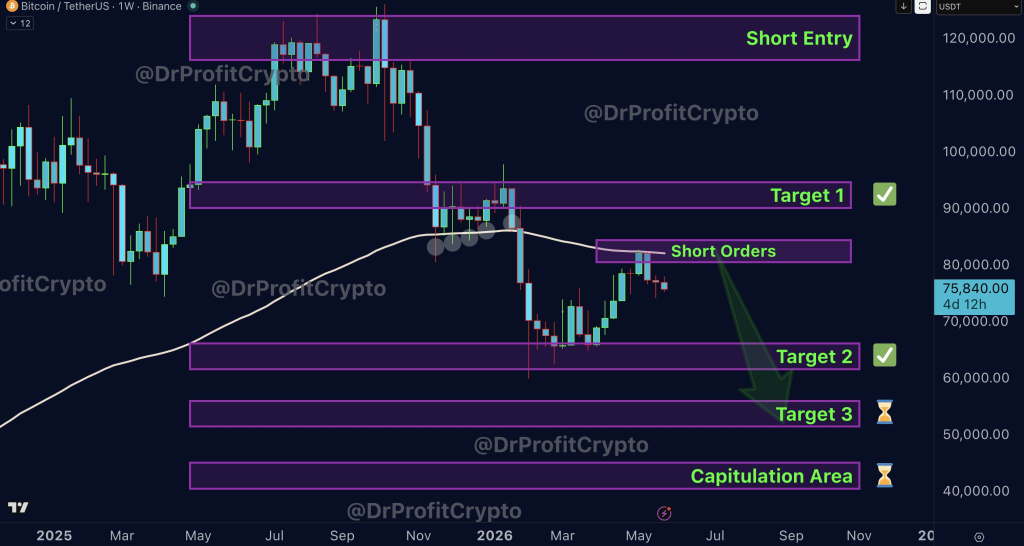
Bitcoin Price News: BTC at Risk of Falling to $70K as Crypto Veteran Calls for 50‑60K in Coming Months
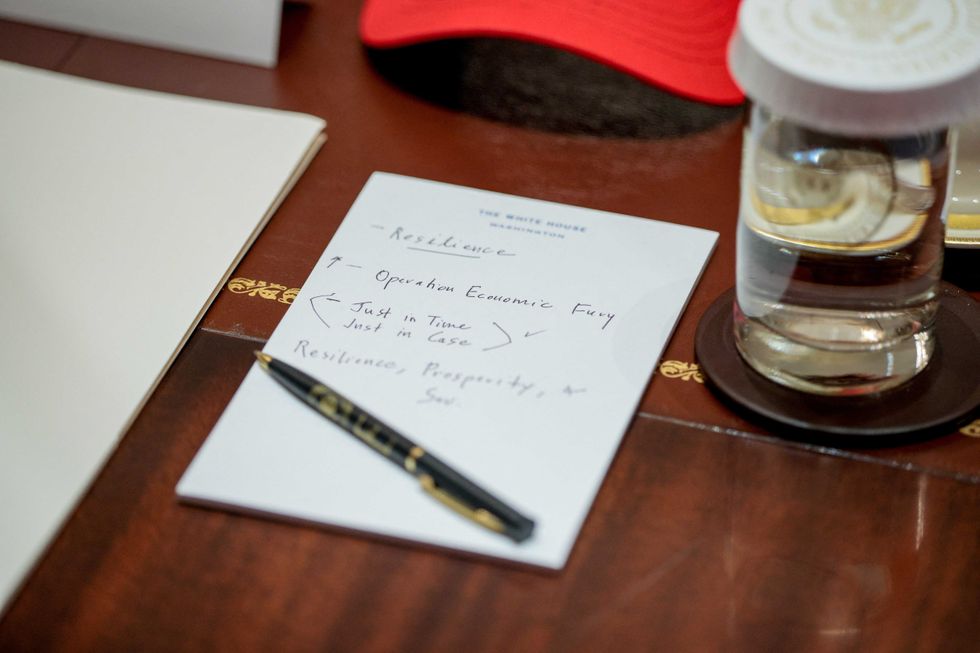
Photographer catches Marco Rubio writing mantra to himself during cabinet meeting



