

Tether Buys Into Gold as Safe-Haven Demand Surges
- Tether invested US$150 million in Gold.com to integrate its XAUT gold-backed token and enable physical gold purchases using USDT and USAT stablecoins.
- The deal follows gold hitting record highs above US$5,000 per ounce, contrasting with Bitcoin’s 50% decline from its peak.
- Market performance highlights Bitcoin as a long-term hedge against monetary debasement rather than a short-term safe haven against immediate volatility.
Tether is putting more money into gold, buying a US$150 million (AU$230 million) stake in Gold.com, which sells access to gold in two ways: traditional physical gold, and tokenised gold, a digital token on a blockchain that represents a claim on real gold held in storage.
As part of the deal, Tether will plug its own gold token, XAUT, into Gold.com’s platform. XAUT is designed to track gold because each token is backed 1:1 by physical gold stored in Swiss vaults.
The partnership also explores a practical payment angle by letting people buy physical gold using Tether’s stablecoins, both USDT and USAT (the new US-regulated stablecoin). After the announcement, Gold.com’s shares rose 6% in after-hours trading.
The timing matters because gold has been running hard, topping US$5,000 (AU$7,650) per ounce last week, and that tokenised gold as a category has grown quickly, from about US$1.3 billion (AU$1.99 billion) to over US$5.5 billion (AU$8.42 billion).
Meanwhile, Bitcoin (BTC) is down over 50% from its all-time high.
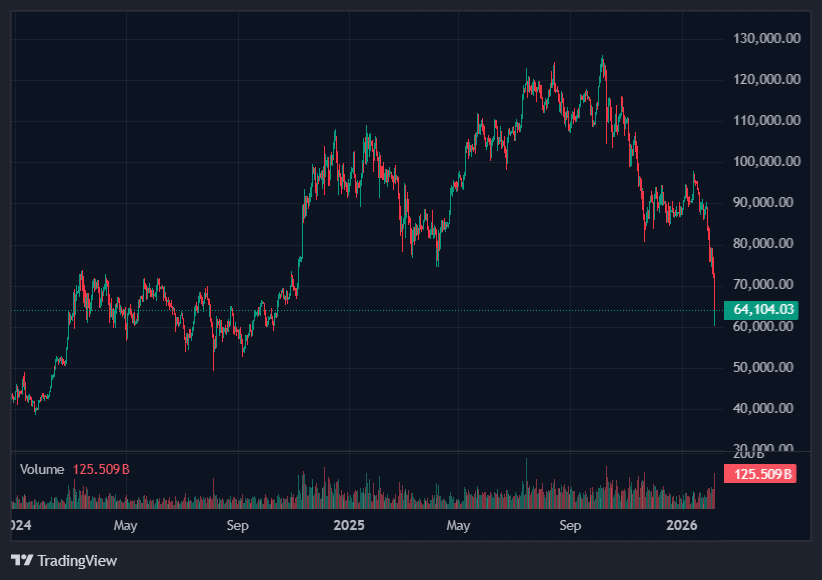 BTC/USD. Source: TradingView.
Related: Crypto Winter? Tapping Into Crypto Weighs Gold Signals, US$40K Risk, and 2026 Turning Point
Gold Over Bitcoin?
So much for the whole narrative of Bitcoin being a safe haven. But it doesn’t defeat the idea entirely, just exposes a common misunderstanding.
Bitcoin is often described as a long-term hedge, not a short-term safe haven. A safe haven is expected to hold value during stress immediately (like cash, short-dated Treasuries, or sometimes gold).
Bitcoin has never reliably done that. What BTC has shown, over longer cycles, is resilience against monetary debasement, not against volatility. Its “hedge” narrative is about fixed supply over many years, not protection during drawdowns, recessions, or deleveraging phases.
When global liquidity tightens, Bitcoin usually drops first and recovers later.
The post Tether Buys Into Gold as Safe-Haven Demand Surges appeared first on Crypto News Australia.


You May Also Like

Iran’s army chief warns of ‘total destruction’ for ground invasion

Best Music AI Websites For Songs And Soundtracks




