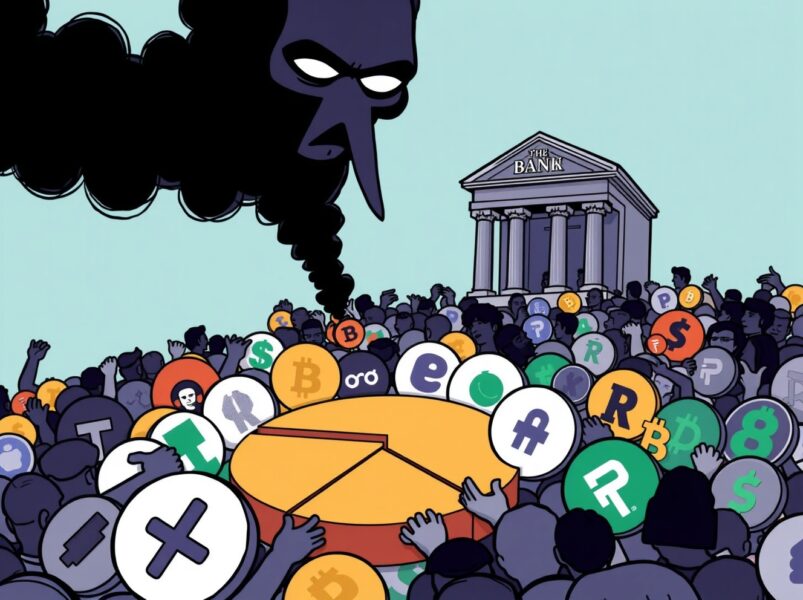
The post 7 Meme Coin Projects Rising – #1 Meme Coin Whitelist Rules appeared on BitcoinEthereumNews.com. Crypto Presales From Apeing to Dogecoin and Pepe, explore 7 trending meme coin whitelist projects redefining the 2025 crypto scene. The meme coin world has entered a new phase in 2025. What once started as jokes and community-driven experiments has evolved into a culture of smart branding, bold innovation, and unapologetic degen energy. These aren’t just internet memes anymore, they’re digital movements. With traders chasing the next viral trend and institutions still trying to understand the appeal, a few projects have broken out as clear leaders of the next wave. But one name keeps buzzing across Telegram, X, and Discord, Apeing  ($APEING). It’s being called the #1 meme coin whitelist everyone wants in on, and for good reason. Let’s dive into the seven meme coin projects dominating the conversation right now, and how Apeing is setting the tone for what’s next in this wild, unfiltered market. Apeing ($APEING): The Instinct That Built a Movement When the market panics, degenerates don’t retreat, they Ape in. That’s the entire philosophy behind Apeing, a meme coin built for those who act on instinct while everyone else hesitates. Apeing isn’t trying to overcomplicate things. It’s raw, fast, and community-driven, a brand that understands that the most successful traders in history weren’t the most cautious; they were the boldest. While others wait for signals, Apeing moves on conviction. Built on transparency and culture, Apeing’s team has focused on uniting the degen crowd under one clean, audited, and meme-infused banner. It’s not promising vague metaverse dreams or unrealistic returns; instead, it’s offering access, humor, and honesty. Crypto veterans call it the perfect crossover between meme and mission. With Apeing’s whitelist gaining massive traction, it’s clear this is not just another entry in the meme coin whitelist, it’s a statement. How to Join the Apeing Whitelist Joining… The post 7 Meme Coin Projects Rising – #1 Meme Coin Whitelist Rules appeared on BitcoinEthereumNews.com. Crypto Presales From Apeing to Dogecoin and Pepe, explore 7 trending meme coin whitelist projects redefining the 2025 crypto scene. The meme coin world has entered a new phase in 2025. What once started as jokes and community-driven experiments has evolved into a culture of smart branding, bold innovation, and unapologetic degen energy. These aren’t just internet memes anymore, they’re digital movements. With traders chasing the next viral trend and institutions still trying to understand the appeal, a few projects have broken out as clear leaders of the next wave. But one name keeps buzzing across Telegram, X, and Discord, Apeing  ($APEING). It’s being called the #1 meme coin whitelist everyone wants in on, and for good reason. Let’s dive into the seven meme coin projects dominating the conversation right now, and how Apeing is setting the tone for what’s next in this wild, unfiltered market. Apeing ($APEING): The Instinct That Built a Movement When the market panics, degenerates don’t retreat, they Ape in. That’s the entire philosophy behind Apeing, a meme coin built for those who act on instinct while everyone else hesitates. Apeing isn’t trying to overcomplicate things. It’s raw, fast, and community-driven, a brand that understands that the most successful traders in history weren’t the most cautious; they were the boldest. While others wait for signals, Apeing moves on conviction. Built on transparency and culture, Apeing’s team has focused on uniting the degen crowd under one clean, audited, and meme-infused banner. It’s not promising vague metaverse dreams or unrealistic returns; instead, it’s offering access, humor, and honesty. Crypto veterans call it the perfect crossover between meme and mission. With Apeing’s whitelist gaining massive traction, it’s clear this is not just another entry in the meme coin whitelist, it’s a statement. How to Join the Apeing Whitelist Joining…

7 Meme Coin Projects Rising – #1 Meme Coin Whitelist Rules

Crypto Presales

From Apeing to Dogecoin and Pepe, explore 7 trending meme coin whitelist projects redefining the 2025 crypto scene.

The meme coin world has entered a new phase in 2025. What once started as jokes and community-driven experiments has evolved into a culture of smart branding, bold innovation, and unapologetic degen energy. These aren’t just internet memes anymore, they’re digital movements.

With traders chasing the next viral trend and institutions still trying to understand the appeal, a few projects have broken out as clear leaders of the next wave. But one name keeps buzzing across Telegram, X, and Discord, Apeing  ($APEING). It’s being called the #1 meme coin whitelist everyone wants in on, and for good reason.

Let’s dive into the seven meme coin projects dominating the conversation right now, and how Apeing is setting the tone for what’s next in this wild, unfiltered market.

  • Apeing ($APEING): The Instinct That Built a Movement

When the market panics, degenerates don’t retreat, they Ape in. That’s the entire philosophy behind Apeing, a meme coin built for those who act on instinct while everyone else hesitates.

Apeing isn’t trying to overcomplicate things. It’s raw, fast, and community-driven, a brand that understands that the most successful traders in history weren’t the most cautious; they were the boldest. While others wait for signals, Apeing moves on conviction.

Built on transparency and culture, Apeing’s team has focused on uniting the degen crowd under one clean, audited, and meme-infused banner. It’s not promising vague metaverse dreams or unrealistic returns; instead, it’s offering access, humor, and honesty.

Crypto veterans call it the perfect crossover between meme and mission. With Apeing’s whitelist gaining massive traction, it’s clear this is not just another entry in the meme coin whitelist, it’s a statement.

How to Join the Apeing Whitelist

Joining the Apeing whitelist is straightforward but time-sensitive. The project is open only to early supporters and community members who align with its culture of fast action and strong conviction.

Interested participants can join through the official Apeing social channels and website, where whitelist forms and verification links are released periodically. The process ensures only real, engaged users, not bots, get early access.

Whitelist members receive priority entry, early updates, and exclusive rewards once the project rolls out its next utility phase. But the team has made one thing clear: hesitation is the enemy. Once spots fill, that’s it. In true Apeing style, you move fast, or you miss out.

  • Dogecoin (DOGE): The Original Meme King That Never Dies

Every meme coin owes a nod to Dogecoin, the one that started it all. Created as a parody in 2013, Dogecoin has defied logic and cycles to remain one of the most recognized names in crypto.

In 2025, Dogecoin is far from fading. Its integration into payment systems, ongoing developer updates, and massive online community have helped it maintain relevance through bear markets. While other tokens fade into obscurity, Dogecoin’s cultural grip remains unmatched.

It may not have the hype of newer coins, but its consistency proves one thing, Dogecoin isn’t just a meme; it’s an institution. Even whales still track DOGE movements as a sentiment signal for the entire meme coin market.

  • Shiba Inu (SHIB): From Meme to Ecosystem

If Dogecoin walked so memes could run, Shiba Inu built the highway. SHIB’s rise from a joke token to a full ecosystem has been remarkable. What began as a playful “Dogecoin killer” has grown into a serious network with DeFi, NFTs, and a Layer-2 blockchain, Shibarium.

Analysts predict that SHIB’s renewed developer activity could drive another surge as the network expands utility. Meanwhile, its loyal holders, affectionately called the “Shib Army”, continue to burn tokens, creating scarcity.

Shiba Inu has proven that meme coins don’t have to stay memes. They can evolve into functional ecosystems while still keeping that chaotic, internet-fueled charm alive.

  • Pepe (PEPE): The Frog That Broke the Internet (Again)

When Pepe launched, few expected it to dominate social media the way it did. But with internet roots deeper than most coins and a meme identity that resonates globally, PEPE quickly became a degen favorite.

Despite wild volatility, Pepe has remained one of the most traded meme coins of the past year. The frog’s rise symbolizes everything about the current crypto landscape, unpredictable, hilarious, and oddly powerful.

What sets Pepe apart is its memetic dominance. Even with limited utility, its viral nature keeps liquidity flowing and communities buzzing. The frog’s not just smiling, it’s thriving.

  • Bonk (BONK): Solana’s Comeback Mascot

Every blockchain has its meme mascot, and for Solana, that’s Bonk. After Solana’s market recovery, BONK became a rallying point for its community, a symbol of the network’s revival and resilience.

In 2025, BONK has become more than just a meme; it’s a core identity coin within the Solana ecosystem. The token has seen increased integration with Solana NFTs, gaming projects, and new decentralized apps.

As Solana cements its reputation as one of the fastest networks, BONK continues to surf that momentum. Many analysts now see it as the “heartbeat of Solana’s culture”, representing the fun, experimental side of blockchain development.

  • Floki (FLOKI): The People’s Meme Coin

Named after Elon Musk’s dog, Floki began as a casual meme but quickly transformed into a brand of its own. With a focus on utility, education, and real-world use, Floki has bridged the gap between meme culture and mainstream credibility.

Floki’s community-driven initiatives, from building schools in developing countries to funding crypto education, have earned it a unique spot among meme projects. The coin’s metaverse and gaming integrations are further expanding its scope.

FLOKI’s marketing is relentless, appearing everywhere from sports sponsorships to public billboards. It’s loud, proud, and unapologetically degen, and that’s exactly why it’s thriving.

  • Official Trump (TRUMP): Politics Meets Memes

In a world where pop culture and crypto often collide, Official Trump Coin has turned that chaos into opportunity. Built on the idea of merging political energy with blockchain, it has quickly become one of the most polarizing and talked-about meme coins in circulation.

Regardless of political stance, the coin’s viral marketing and ability to stay relevant on social media have made it impossible to ignore. With growing interest from NFT creators and collectors, the Trump token represents the unpredictable blend of entertainment and speculation that drives meme coins forward.

It’s wild, controversial, and unmistakably loud, exactly what this market feeds on.

Conclusion: The Meme Era Isn’t Over, It’s Upgrading

This isn’t the end of meme coins, it’s their evolution. The current wave, led by Apeing, shows that humor, conviction, and timing can still outperform hesitation.

Each project on this list represents a piece of a larger story, one where the line between speculation and social movement continues to blur. Whether it’s Floki’s real-world impact, Pepe’s internet immortality, or Dogecoin’s timeless meme power, this market thrives on belief.

And Apeing? It’s proof that in crypto, those who act first, and laugh later, often end up winning the most.

For More Information:

Website: Visit the Official Apeing Website

Telegram: Join the Apeing Telegram Channel

Twitter: Follow Apeing ON X (Formerly Twitter)

FAQ About the Meme Coin Whitelist

What is a meme coin whitelist?

A whitelist is an early access list for community members who want to join a meme coin project before public entry.

How can I join the Apeing whitelist?

You can apply through Apeing’s official website or verified community channels. Only active users get access.

Are meme coin whitelists risky?

Yes, like all crypto projects, meme coins are volatile. Always research before participating.

Apeing, Floki, Bonk, Pepe, Dogecoin, and Pudgy Penguins are among the top trending coins.

Glossary

Whitelist:

A pre-approved access list for early participation in crypto projects.

DeFi:

Decentralized Finance, blockchain-based financial systems without intermediaries.

NFT:

Non-fungible token representing unique digital ownership, often tied to art or collectibles.

DAO:

Decentralized Autonomous Organization, community-led governance structure in crypto.

Liquidity:

The ease of buying or selling assets without large price changes.


This publication is sponsored. Coindoo does not endorse or assume responsibility for the content, accuracy, quality, advertising, products, or any other materials on this page. Readers are encouraged to conduct their own research before engaging in any cryptocurrency-related actions. Coindoo will not be liable, directly or indirectly, for any damages or losses resulting from the use of or reliance on any content, goods, or services mentioned. Always do your own researchs.

Author

Alexander Zdravkov is a person who always looks for the logic behind things. He has more than 3 years of experience in the crypto space, where he skillfully identifies new trends in the world of digital currencies. Whether providing in-depth analysis or daily reports on all topics, his deep understanding and enthusiasm for what he does make him a valuable member of the team.

Next article

Source: https://coindoo.com/7-meme-coin-projects-everyones-talking-about-1-meme-coin-whitelist-rules/

Market Opportunity
Memecoin Logo
Memecoin Price(MEME)
$0.0011658
$0.0011658$0.0011658
-0.46%
USD
Memecoin (MEME) Live Price Chart
Disclaimer: The articles reposted on this site are sourced from public platforms and are provided for informational purposes only. They do not necessarily reflect the views of MEXC. All rights remain with the original authors. If you believe any content infringes on third-party rights, please contact service@support.mexc.com for removal. MEXC makes no guarantees regarding the accuracy, completeness, or timeliness of the content and is not responsible for any actions taken based on the information provided. The content does not constitute financial, legal, or other professional advice, nor should it be considered a recommendation or endorsement by MEXC.

You May Also Like

FBI says North Korea’s Kimsuky APT uses malicious QR codes to spearphish U.S. entities

FBI says North Korea’s Kimsuky APT uses malicious QR codes to spearphish U.S. entities

The post FBI says North Korea’s Kimsuky APT uses malicious QR codes to spearphish U.S. entities appeared on BitcoinEthereumNews.com. The FBI says Kimsuky APT, a
Share
BitcoinEthereumNews2026/01/10 02:55
a16z targets AI and crypto after $15B fundraising year in 2025

a16z targets AI and crypto after $15B fundraising year in 2025

The post a16z targets AI and crypto after $15B fundraising year in 2025 appeared on BitcoinEthereumNews.com. Andreessen Horowitz (a16z) secured over $15 billion
Share
BitcoinEthereumNews2026/01/10 03:13
Stablecoin Market: Urgent Warning of a Zero-Sum Future

Stablecoin Market: Urgent Warning of a Zero-Sum Future

BitcoinWorld Stablecoin Market: Urgent Warning of a Zero-Sum Future A significant warning has emerged from financial giant JPMorgan, signaling a potentially challenging future for the stablecoin market. This isn’t just a minor blip; it’s a stark reminder that the booming world of digital assets faces a critical juncture, especially for those relying on the stability of stablecoins. JPMorgan’s recent research note suggests that unless the broader cryptocurrency market expands dramatically, stablecoin issuers are heading towards a fierce ‘zero-sum game’ scenario. The Alarming Truth About the Stablecoin Market What exactly does a ‘zero-sum game’ mean for the stablecoin market? Essentially, it implies that for one stablecoin to gain market share, another must lose it. This isn’t about overall growth where everyone benefits; it’s about a fixed pie where new entrants only succeed by taking a slice from existing players. JPMorgan analysts point to a rapidly increasing number of new stablecoin projects vying for attention. Tether recently announced its unregulated stablecoin, USAT. Hyperliquid plans to launch USDH, aiming to reduce its dependence on Circle’s USDC. Even traditional fintech powerhouses like Robinhood and Revolut are developing their own stablecoins. This surge of new issuers intensifies competition significantly. While the overall stablecoin market capitalization has reached an impressive $278 billion, its share of the total crypto market has remained stagnant, averaging below 8% since 2020. This stagnation, according to JPMorgan, is a key indicator of the brewing zero-sum challenge. Why is the Stablecoin Market Becoming So Crowded? The influx of new players into the stablecoin market isn’t accidental; it’s driven by various strategic motivations. Many projects aim to gain greater control over their financial infrastructure and reduce reliance on third-party stablecoins. For instance, Hyperliquid’s move to USDH is a clear example of a platform seeking self-sufficiency and potentially lower operational costs. Furthermore, established fintech firms like Robinhood and Revolut see stablecoins as a natural extension of their existing services. They can integrate these digital assets into their platforms, offering new functionalities and potentially attracting a broader user base. However, this expansion comes with a caveat: if the overall crypto market doesn’t grow proportionally, these new offerings will merely fragment the existing demand, making profitability and widespread adoption harder to achieve for all. The core challenge remains the limited expansion of the total crypto market relative to the growing supply of stablecoins. This dynamic creates an environment where innovation must go hand-in-hand with genuine market expansion, not just internal competition. Navigating the Competitive Stablecoin Market Landscape So, what does this intense competition mean for users and the broader crypto ecosystem? For one, it could lead to increased innovation as issuers strive to differentiate their offerings through better features, lower fees, or enhanced security. However, it also presents potential risks, particularly if some stablecoins fail to gain traction or face liquidity issues in a highly competitive environment. Users should exercise caution and conduct thorough due diligence when choosing stablecoins. For existing giants like USDC, the entry of new competitors means they must continue to innovate and maintain their market leadership. Regulatory clarity also plays a crucial role here. As more entities enter the space, the demand for clear, consistent regulations will only grow, potentially shaping the future landscape of the stablecoin market significantly. Ultimately, the long-term health of the stablecoin ecosystem hinges on the ability of the entire cryptocurrency market to attract new capital and users. Without this broader expansion, JPMorgan’s warning of a zero-sum game could become a stark reality. In conclusion, JPMorgan’s recent warning serves as a potent reminder of the escalating competition within the stablecoin market. While innovation and new entrants are exciting, the core challenge lies in the stagnant growth of the broader crypto market. For stablecoins to truly thrive beyond a zero-sum dynamic, a significant influx of new capital and users into the entire cryptocurrency ecosystem is paramount. The future success of these digital anchors depends on collective market expansion, not just internal rivalry. Frequently Asked Questions About the Stablecoin Market Q1: What is a ‘zero-sum game’ in the context of the stablecoin market? A1: A ‘zero-sum game’ means that for one stablecoin to gain market share, another stablecoin must lose an equivalent amount. It implies that the overall market size for stablecoins is not growing, forcing issuers to compete for a fixed pool of users and capital. Q2: Why is JPMorgan concerned about the stablecoin market? A2: JPMorgan is concerned because despite the stablecoin market’s growth in total value, its share of the overall crypto market capitalization has stagnated. With many new entrants, they believe competition will intensify, leading to a zero-sum dynamic unless the broader crypto market significantly expands. Q3: Which new stablecoin issuers are mentioned in the warning? A3: The warning highlights new entrants such as Tether’s unregulated stablecoin USAT, Hyperliquid’s planned USDH, and stablecoins being developed by fintech firms Robinhood and Revolut. Q4: What could be the implications for users of stablecoins? A4: For users, increased competition could lead to more innovative features, potentially lower fees, and better services. However, it also means a greater need for due diligence to assess the stability and reliability of various stablecoins, especially if some struggle in a crowded market. Q5: How can the stablecoin market avoid a zero-sum outcome? A5: According to JPMorgan, avoiding a zero-sum outcome requires significant expansion of the broader cryptocurrency market. This means attracting new capital and users into the entire crypto ecosystem, thereby growing the ‘pie’ rather than just re-dividing existing slices. Did JPMorgan’s warning about the stablecoin market catch your attention? Share this crucial insight with your network and join the conversation about the future of digital assets. Your thoughts and perspectives are invaluable! To learn more about the latest stablecoin market trends, explore our article on key developments shaping stablecoin market institutional adoption. This post Stablecoin Market: Urgent Warning of a Zero-Sum Future first appeared on BitcoinWorld.
Share
Coinstats2025/09/19 15:45