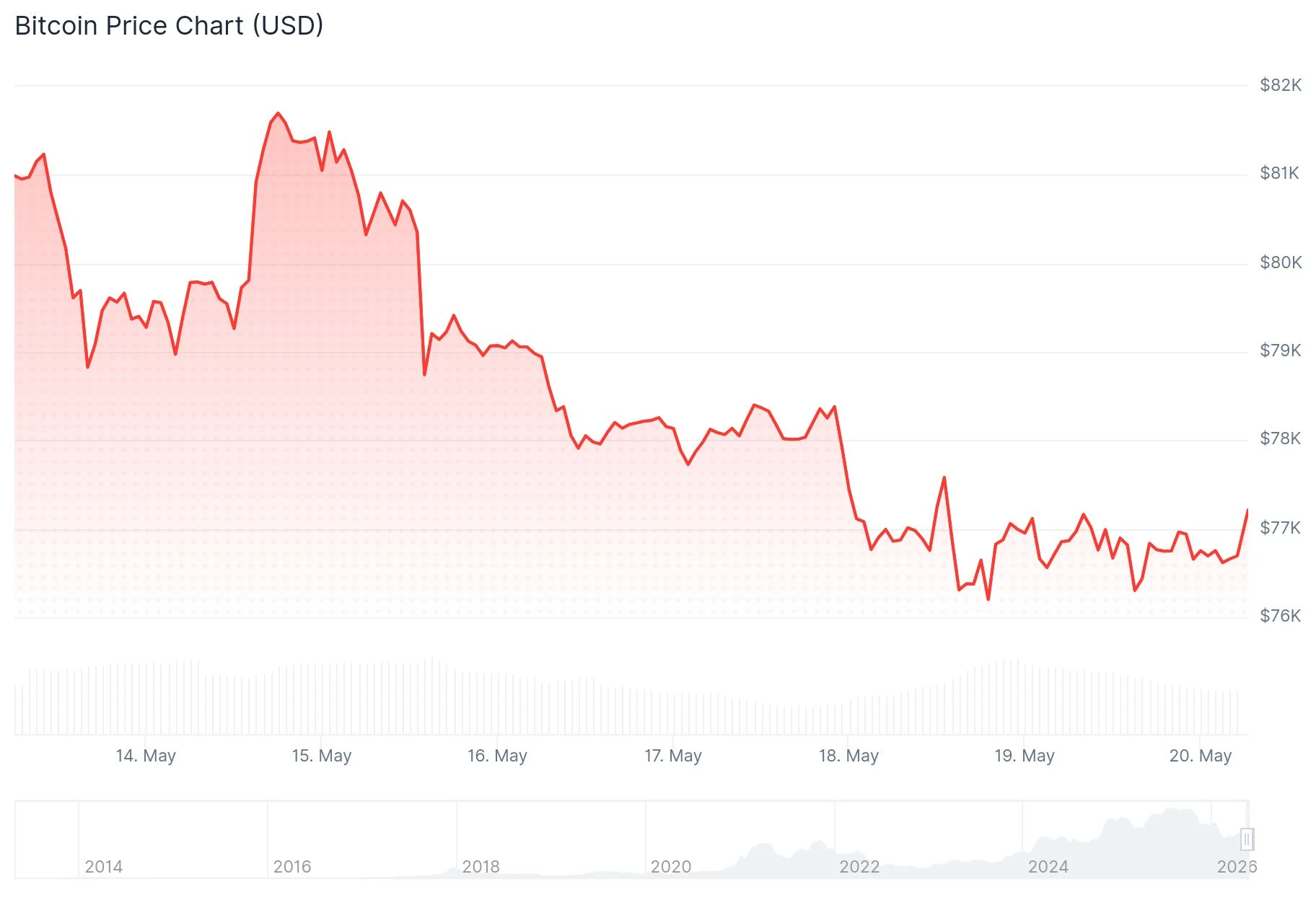
Markets rarely begin with noise. They begin with attention. When price charts move sideways for weeks, many assume nothing is happening. In reality, positioning begins during silence. Builders study infrastructure, communities gather around narratives, and early participants look for structured entry before exposure spreads. The strongest rallies often start during boredom rather than excitement.
This is why identifying the best altcoins to watch now is less about predicting pumps and more about observing behavior. Each phase of the market attracts a different type of confidence. First comes technical confidence, then social confidence, and finally participation confidence. By the time headlines appear, all three layers have already aligned.

The following projects represent those layers forming quietly before broader recognition. Some focus on stability, some on identity, and some on early structured entry. Together, they reveal how momentum actually begins long before charts reflect it.
-
APEMARS: Participation Confidence Appears Before Price
Early crypto cycles relied on technological breakthroughs. Modern cycles rely on accessibility. APEMARS sits at the final stage of adoption, where observers turn into participants. Rather than waiting for exchange listing discovery, the project structures entry through a transparent stage based presale model.
The APEMARS presale is currently in Stage 8 with a price of $0.00006651 and a planned listing level of $0.0055. The gap exists because each stage raises the entry level gradually. Early participation therefore, reflects timing rather than speculation. More than 1000 holders and over $200K raised suggest accumulation through steady engagement instead of sudden hype.
Stage-based launches work differently from open market trading. Pricing increases as access narrows. This rewards earlier positioning while maintaining predictable progression. Instead of reacting to volatility, participants interact with a roadmap. The process feels closer to onboarding than trading.
The project also signals long-term direction through post launch plans and community-driven mechanics. The focus remains engagement and usability rather than short term spikes. In quiet markets, structured entry often attracts attention because it removes uncertainty about when discovery begins.
For observers tracking the best altcoins to watch now, APEMARS represents the moment confidence changes from watching to joining.
-
Cardano: Research Confidence Builds Slowly
The network emphasizes peer reviewed upgrades and cautious deployment. Developers often monitor Cardano during calm market phases because reliability becomes valuable when speculative attention fades. Instead of chasing rapid iteration, the ecosystem builds predictability.
Institutional observers tend to evaluate chains based on stability rather than hype cycles. Cardano’s methodical release process aligns with that behavior. During quiet periods, infrastructure reliability attracts more interest than speed claims.
Among the best altcoins to watch now, Cardano represents the foundation layer. When builders prepare for future adoption, they observe networks that prioritize long term functionality over short term momentum.
-
Apeing: Community Confidence Forms First
Before the price rises, people gather. Apeing operates on that principle. The project emphasizes whitelist entry and audit first development. Rather than rushing into public sale exposure, the team focuses on verification and communication channels. This approach encourages early community familiarity before financial participation begins.
Meme ecosystems depend heavily on shared identity. Apeing positions itself as a culture driven launch where timing comes after trust. The whitelist model gives early supporters information advantage rather than speculative advantage.
For those studying the best altcoins to watch now, Apeing reflects the stage where observers align socially before committing financially. Community confidence often precedes participation confidence.
-
XRP: Utility Confidence During Quiet Periods
XRP activity often increases when cross border settlement discussions return to focus. The network centers around transaction efficiency and liquidity bridging rather than speculative experimentation.
Financial institutions typically adopt technology gradually. Quiet markets allow infrastructure narratives to resurface because attention shifts away from price chasing. XRP benefits from that dynamic since its primary story revolves around operational use rather than rapid appreciation.
Within the best altcoins to watch now, XRP represents utility driven interest. The coin attracts observers who watch real world integration cycles rather than social cycles.
-
Polkadot: Network Confidence Through Interoperability
Polkadot attempts to solve fragmentation rather than speed.
Its value proposition centers on connecting blockchains.
Developers watch interoperability networks when preparing cross chain applications. During calm market phases, integration planning becomes more relevant than token speculation. Polkadot therefore gains attention when building activity increases quietly.
Projects often integrate infrastructure before public announcements. Observing networks like Polkadot can reveal preparation stages of broader ecosystem expansion.
As part of the best altcoins to watch now, Polkadot reflects preparation confidence. It signals builders positioning for future activity rather than reacting to current excitement.
-
BullZilla: Scarcity Confidence Near Launch
BullZilla approaches momentum through scarcity mechanics. The presale currently sits in late stages with only a few phases remaining before listing. A progressive price engine increases value every 48 hours or after funding milestones. The project integrates staking rewards and token burn events designed to reduce supply before market exposure. These mechanics create anticipation rather than immediate discovery. Participants observe countdown structures differently than open trading markets.
In late stage presales, timing becomes the main variable. Observers monitor remaining availability instead of chart movement. That behavioral shift marks a transition toward active engagement. Among the best altcoins to watch now, BullZilla represents urgency confidence. It appears when attention shifts from watching opportunities to deciding entry timing.
-
Litecoin: Stability Confidence Before Movement
Long operational history and predictable behavior attract participants during uncertain periods. Traders observe such assets to gauge broader market readiness. When stability assets hold steady, risk appetite usually follows later.
Litecoin therefore, acts less like a catalyst and more like a signal. It indicates whether participants feel comfortable preparing for movement again. Within the best altcoins to watch now, Litecoin reflects baseline confidence. It shows when the market begins trusting conditions again.
Conclusion: Momentum Starts Quietly
Markets do not transition from fear to excitement instantly. They move through preparation. Builders watch the Best Crypto To Buy Now closely for insights and updates. Communities gather around identity. Participants finally seek structured entry. Each project above represents one step in that progression. Together they form the pattern that appears before broader recognition.
Identifying the best altcoins to watch now means observing behavior rather than headlines. When confidence layers align, attention expands naturally. APEMARS stands at the final stage because it converts observation into participation. The market wakes up suddenly, but positioning never does.
For More Information:
Website: Visit the Official APEMARS Website
Telegram: Join the APEMARS Telegram Channel
Twitter: Follow APEMARS ON X (Formerly Twitter)
https://x.com/ApemarsOfficial
FAQ About the Best Altcoins to Watch Now
What does “best altcoins to watch now” actually mean?
It refers to projects showing early signals of activity before major price movement. These signals can include development progress, presale participation, community growth, or ecosystem upgrades rather than short term hype.
Why are presales like APEMARS gaining attention during quiet markets?
During low volatility periods, participants look for structured entry instead of chasing pumps. Stage based presales provide predictable pricing progression, which attracts early positioning before exchange discovery.
Are meme coins still relevant in 2026?
Yes, but the focus has shifted. Modern meme projects emphasize engagement, utility, and structured launches instead of random speculation. Community participation now matters more than viral trends alone.
How do infrastructure coins like Cardano and Polkadot fit into a watchlist?
They represent builder confidence. Developers monitor them before adoption phases because upgrades and integrations often begin quietly before public attention increases.
Summary
The market rarely moves without preparation. Different types of confidence appear in sequence before wider attention arrives. Infrastructure projects attract builders first, community driven projects gather social alignment second, and structured presales invite participation last.
This article highlighted seven projects that represent those stages. Cardano and Polkadot reflect technical readiness, XRP and Litecoin show stability and utility confidence, Apeing and BullZilla represent community and urgency signals, while APEMARS demonstrates early participation entry through a stage based presale.
Understanding these layers helps identify the best altcoins to watch now before the broader market recognizes them.