BitcoinWorld Meta AI Unleashes Powerful Super PAC to Shape Future of AI Regulation In the rapidly evolving landscape where artificial intelligence intersects with policy, a significant development is set to reshape the future. Meta AI, a titan in the technology world, is making a monumental move by investing tens of millions into a new Super PAC. This strategic initiative aims to profoundly influence AI Regulation in California, a state often at the forefront of technological and legislative trends. For those invested in the digital economy, understanding these political maneuvers is crucial, as the regulatory environment for AI will inevitably impact the development and adoption of blockchain, Web3, and other decentralized technologies. This isn’t just about silicon; it’s about the very infrastructure of our digital future. Why is Meta AI Investing Heavily in Political Influence? Meta’s decision to launch a Super PAC, dubbed Mobilizing Economic Transformation Across California (METAC), signals a clear intent: to advocate for a ‘light-touch’ approach to AI governance. This isn’t an isolated incident; it follows a trend where major tech players, including Andreessen Horowitz and OpenAI’s Greg Brockman, have collectively pledged significant funds for similar pro-AI political action. The core motivation, as articulated by Brian Rice, Meta’s VP of public policy and head of the new PAC, is to prevent California’s regulatory environment from stifling innovation. There’s a genuine concern that overly stringent rules could impede AI progress and jeopardize California’s leadership in the technology sector. The company believes that a balanced regulatory framework, one that encourages rather than constrains development, is essential for the continued growth of AI technologies. This perspective often clashes with calls for more robust oversight, particularly concerning safety, ethics, and data privacy. What are Super PACs and How Do They Impact AI Regulation? Super PACs, officially known as ‘independent-expenditure only committees,’ are political action committees that can raise and spend unlimited amounts of money to support or oppose political candidates. Crucially, they cannot directly coordinate with candidates or political parties. However, they can run advertisements, conduct voter outreach, and engage in various forms of political advocacy, making them incredibly powerful tools for influencing elections and policy debates. In the context of AI, Super PACs like METAC serve as a direct channel for tech giants to shape legislative outcomes. By backing candidates who favor less restrictive AI Regulation, these groups aim to create a political landscape more amenable to their business models and innovation strategies. Their influence can manifest in several ways: Candidate Support: Funding campaigns for candidates who align with their policy views on AI. Public Opinion Shaping: Running ad campaigns to educate (or persuade) the public on the benefits of AI and the potential downsides of over-regulation. Direct Lobbying Reinforcement: Complementing traditional lobbying efforts by demonstrating broad political support for their positions. This approach allows tech companies to exert considerable influence without directly engaging in the more restrictive forms of campaign finance. Understanding the Stakes: Tech Lobbying and Policy Battles Meta’s current move isn’t its first foray into high-stakes Tech Lobbying. The company has a documented history of engaging with lawmakers to protect its interests. Earlier this year, Meta’s lobbying efforts targeted California state Senator Scott Wiener’s SB-53 bill, which proposed requiring AI firms to publish safety and security protocols and report safety incidents. This bill, seen by some as a crucial step towards responsible AI development, was viewed by Meta as potentially hindering innovation. Furthermore, last year, Meta played a role in the defeat of the Kids Online Safety Act, a piece of legislation widely expected to pass. These past actions illustrate a consistent strategy: to actively engage in the legislative process to ensure that emerging regulations do not unduly restrict their operations or slow down their technological advancements. The formation of METAC amplifies this strategy, shifting from direct lobbying to broader electoral influence. The debate around AI regulation is multifaceted, pitting proponents of rapid innovation against those prioritizing safety, ethics, and societal impact. Here’s a simplified view of the opposing perspectives: Pro-Innovation (e.g., Meta, METAC) Pro-Regulation (e.g., Sen. Wiener, advocacy groups) Light-touch regulation prevents stifling growth. Strong oversight ensures safety and ethical AI. California’s tech leadership is at risk from over-regulation. Public trust requires transparency and accountability. Market forces and self-regulation are sufficient. Legislation is needed to address potential harms and biases. What Does This Mean for California AI and Beyond? The impact of Meta’s new Super PAC will primarily be felt in California AI policy, particularly in the upcoming 2026 governor’s race and other statewide elections. By strategically funding candidates who share their vision for AI, Meta aims to cultivate a legislative body that is more sympathetic to the tech industry’s concerns. This influence could set precedents for other states and even federal policy, as California often serves as a bellwether for national trends. The broader implications extend to: Pace of Innovation: A ‘light-touch’ regulatory environment could accelerate the development and deployment of new AI technologies, potentially leading to faster advancements in areas like generative AI, autonomous systems, and even AI-driven blockchain solutions. Ethical Concerns: Critics worry that less regulation might lead to a greater risk of unchecked AI development, potentially exacerbating issues such as algorithmic bias, data misuse, and the spread of misinformation. Competitive Landscape: Companies that can influence policy may gain a competitive advantage, shaping the rules of the game in their favor. Public Trust: The extent to which the public trusts AI will depend heavily on the perceived fairness and safety of its development and deployment, which is directly tied to regulatory frameworks. For the cryptocurrency and blockchain community, the direction of AI regulation is paramount. AI is increasingly integrated into everything from smart contract auditing to predictive market analysis. A restrictive AI environment could indirectly slow down innovation in these interconnected sectors, while a more open one could accelerate it. The Unfolding Battle for AI’s Future Meta’s substantial investment in its pro-AI Super PAC marks a pivotal moment in the ongoing debate over how artificial intelligence should be governed. This move, coupled with similar initiatives from other tech giants, underscores the industry’s determination to shape the regulatory narrative. The battle lines are drawn between those advocating for rapid, unfettered innovation and those calling for cautious, ethical development. The outcomes of these political skirmishes, particularly in influential states like California, will have far-reaching consequences, not just for the tech industry but for society as a whole. As Meta AI pours millions into influencing elections, the future of AI—its capabilities, its limitations, and its integration into our daily lives—hangs in the balance, a testament to the growing power of technology to shape policy and vice versa. To learn more about the latest AI Regulation trends, explore our article on key developments shaping AI policy and institutional adoption. This post Meta AI Unleashes Powerful Super PAC to Shape Future of AI Regulation first appeared on BitcoinWorld and is written by Editorial TeamBitcoinWorld Meta AI Unleashes Powerful Super PAC to Shape Future of AI Regulation In the rapidly evolving landscape where artificial intelligence intersects with policy, a significant development is set to reshape the future. Meta AI, a titan in the technology world, is making a monumental move by investing tens of millions into a new Super PAC. This strategic initiative aims to profoundly influence AI Regulation in California, a state often at the forefront of technological and legislative trends. For those invested in the digital economy, understanding these political maneuvers is crucial, as the regulatory environment for AI will inevitably impact the development and adoption of blockchain, Web3, and other decentralized technologies. This isn’t just about silicon; it’s about the very infrastructure of our digital future. Why is Meta AI Investing Heavily in Political Influence? Meta’s decision to launch a Super PAC, dubbed Mobilizing Economic Transformation Across California (METAC), signals a clear intent: to advocate for a ‘light-touch’ approach to AI governance. This isn’t an isolated incident; it follows a trend where major tech players, including Andreessen Horowitz and OpenAI’s Greg Brockman, have collectively pledged significant funds for similar pro-AI political action. The core motivation, as articulated by Brian Rice, Meta’s VP of public policy and head of the new PAC, is to prevent California’s regulatory environment from stifling innovation. There’s a genuine concern that overly stringent rules could impede AI progress and jeopardize California’s leadership in the technology sector. The company believes that a balanced regulatory framework, one that encourages rather than constrains development, is essential for the continued growth of AI technologies. This perspective often clashes with calls for more robust oversight, particularly concerning safety, ethics, and data privacy. What are Super PACs and How Do They Impact AI Regulation? Super PACs, officially known as ‘independent-expenditure only committees,’ are political action committees that can raise and spend unlimited amounts of money to support or oppose political candidates. Crucially, they cannot directly coordinate with candidates or political parties. However, they can run advertisements, conduct voter outreach, and engage in various forms of political advocacy, making them incredibly powerful tools for influencing elections and policy debates. In the context of AI, Super PACs like METAC serve as a direct channel for tech giants to shape legislative outcomes. By backing candidates who favor less restrictive AI Regulation, these groups aim to create a political landscape more amenable to their business models and innovation strategies. Their influence can manifest in several ways: Candidate Support: Funding campaigns for candidates who align with their policy views on AI. Public Opinion Shaping: Running ad campaigns to educate (or persuade) the public on the benefits of AI and the potential downsides of over-regulation. Direct Lobbying Reinforcement: Complementing traditional lobbying efforts by demonstrating broad political support for their positions. This approach allows tech companies to exert considerable influence without directly engaging in the more restrictive forms of campaign finance. Understanding the Stakes: Tech Lobbying and Policy Battles Meta’s current move isn’t its first foray into high-stakes Tech Lobbying. The company has a documented history of engaging with lawmakers to protect its interests. Earlier this year, Meta’s lobbying efforts targeted California state Senator Scott Wiener’s SB-53 bill, which proposed requiring AI firms to publish safety and security protocols and report safety incidents. This bill, seen by some as a crucial step towards responsible AI development, was viewed by Meta as potentially hindering innovation. Furthermore, last year, Meta played a role in the defeat of the Kids Online Safety Act, a piece of legislation widely expected to pass. These past actions illustrate a consistent strategy: to actively engage in the legislative process to ensure that emerging regulations do not unduly restrict their operations or slow down their technological advancements. The formation of METAC amplifies this strategy, shifting from direct lobbying to broader electoral influence. The debate around AI regulation is multifaceted, pitting proponents of rapid innovation against those prioritizing safety, ethics, and societal impact. Here’s a simplified view of the opposing perspectives: Pro-Innovation (e.g., Meta, METAC) Pro-Regulation (e.g., Sen. Wiener, advocacy groups) Light-touch regulation prevents stifling growth. Strong oversight ensures safety and ethical AI. California’s tech leadership is at risk from over-regulation. Public trust requires transparency and accountability. Market forces and self-regulation are sufficient. Legislation is needed to address potential harms and biases. What Does This Mean for California AI and Beyond? The impact of Meta’s new Super PAC will primarily be felt in California AI policy, particularly in the upcoming 2026 governor’s race and other statewide elections. By strategically funding candidates who share their vision for AI, Meta aims to cultivate a legislative body that is more sympathetic to the tech industry’s concerns. This influence could set precedents for other states and even federal policy, as California often serves as a bellwether for national trends. The broader implications extend to: Pace of Innovation: A ‘light-touch’ regulatory environment could accelerate the development and deployment of new AI technologies, potentially leading to faster advancements in areas like generative AI, autonomous systems, and even AI-driven blockchain solutions. Ethical Concerns: Critics worry that less regulation might lead to a greater risk of unchecked AI development, potentially exacerbating issues such as algorithmic bias, data misuse, and the spread of misinformation. Competitive Landscape: Companies that can influence policy may gain a competitive advantage, shaping the rules of the game in their favor. Public Trust: The extent to which the public trusts AI will depend heavily on the perceived fairness and safety of its development and deployment, which is directly tied to regulatory frameworks. For the cryptocurrency and blockchain community, the direction of AI regulation is paramount. AI is increasingly integrated into everything from smart contract auditing to predictive market analysis. A restrictive AI environment could indirectly slow down innovation in these interconnected sectors, while a more open one could accelerate it. The Unfolding Battle for AI’s Future Meta’s substantial investment in its pro-AI Super PAC marks a pivotal moment in the ongoing debate over how artificial intelligence should be governed. This move, coupled with similar initiatives from other tech giants, underscores the industry’s determination to shape the regulatory narrative. The battle lines are drawn between those advocating for rapid, unfettered innovation and those calling for cautious, ethical development. The outcomes of these political skirmishes, particularly in influential states like California, will have far-reaching consequences, not just for the tech industry but for society as a whole. As Meta AI pours millions into influencing elections, the future of AI—its capabilities, its limitations, and its integration into our daily lives—hangs in the balance, a testament to the growing power of technology to shape policy and vice versa. To learn more about the latest AI Regulation trends, explore our article on key developments shaping AI policy and institutional adoption. This post Meta AI Unleashes Powerful Super PAC to Shape Future of AI Regulation first appeared on BitcoinWorld and is written by Editorial Team

Meta AI Unleashes Powerful Super PAC to Shape Future of AI Regulation

BitcoinWorld
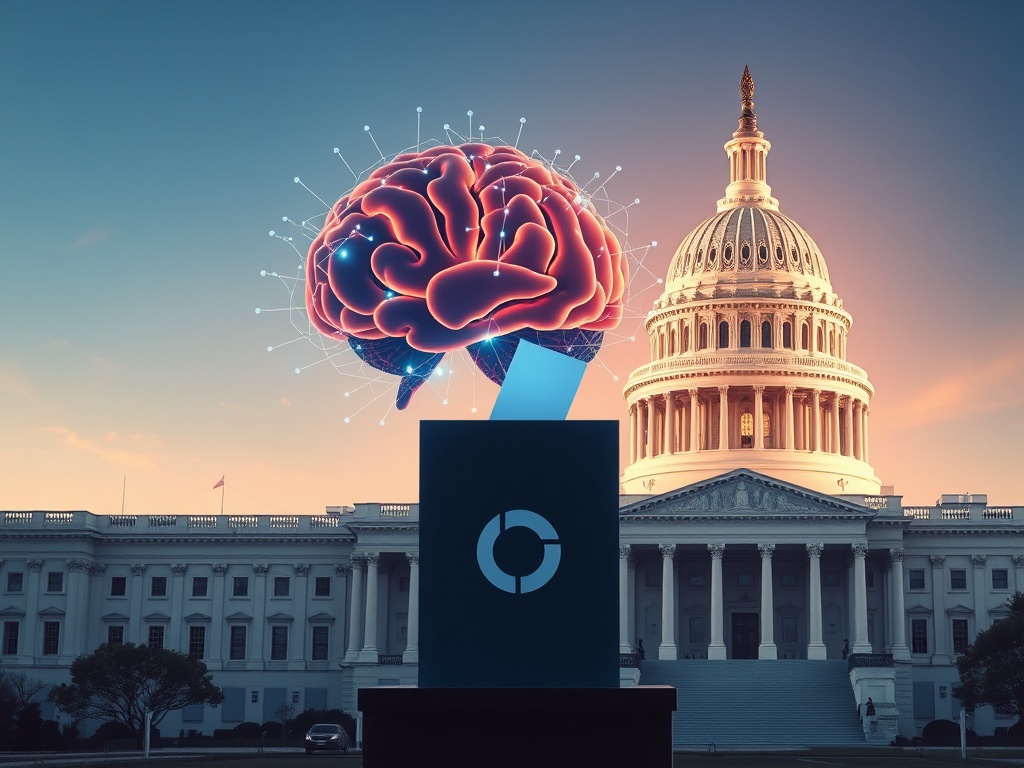
Meta AI Unleashes Powerful Super PAC to Shape Future of AI Regulation

In the rapidly evolving landscape where artificial intelligence intersects with policy, a significant development is set to reshape the future. Meta AI, a titan in the technology world, is making a monumental move by investing tens of millions into a new Super PAC. This strategic initiative aims to profoundly influence AI Regulation in California, a state often at the forefront of technological and legislative trends. For those invested in the digital economy, understanding these political maneuvers is crucial, as the regulatory environment for AI will inevitably impact the development and adoption of blockchain, Web3, and other decentralized technologies. This isn’t just about silicon; it’s about the very infrastructure of our digital future.

Why is Meta AI Investing Heavily in Political Influence?

Meta’s decision to launch a Super PAC, dubbed Mobilizing Economic Transformation Across California (METAC), signals a clear intent: to advocate for a ‘light-touch’ approach to AI governance. This isn’t an isolated incident; it follows a trend where major tech players, including Andreessen Horowitz and OpenAI’s Greg Brockman, have collectively pledged significant funds for similar pro-AI political action. The core motivation, as articulated by Brian Rice, Meta’s VP of public policy and head of the new PAC, is to prevent California’s regulatory environment from stifling innovation. There’s a genuine concern that overly stringent rules could impede AI progress and jeopardize California’s leadership in the technology sector.

The company believes that a balanced regulatory framework, one that encourages rather than constrains development, is essential for the continued growth of AI technologies. This perspective often clashes with calls for more robust oversight, particularly concerning safety, ethics, and data privacy.

What are Super PACs and How Do They Impact AI Regulation?

Super PACs, officially known as ‘independent-expenditure only committees,’ are political action committees that can raise and spend unlimited amounts of money to support or oppose political candidates. Crucially, they cannot directly coordinate with candidates or political parties. However, they can run advertisements, conduct voter outreach, and engage in various forms of political advocacy, making them incredibly powerful tools for influencing elections and policy debates.

In the context of AI, Super PACs like METAC serve as a direct channel for tech giants to shape legislative outcomes. By backing candidates who favor less restrictive AI Regulation, these groups aim to create a political landscape more amenable to their business models and innovation strategies. Their influence can manifest in several ways:

  • Candidate Support: Funding campaigns for candidates who align with their policy views on AI.
  • Public Opinion Shaping: Running ad campaigns to educate (or persuade) the public on the benefits of AI and the potential downsides of over-regulation.
  • Direct Lobbying Reinforcement: Complementing traditional lobbying efforts by demonstrating broad political support for their positions.

This approach allows tech companies to exert considerable influence without directly engaging in the more restrictive forms of campaign finance.

Understanding the Stakes: Tech Lobbying and Policy Battles

Meta’s current move isn’t its first foray into high-stakes Tech Lobbying. The company has a documented history of engaging with lawmakers to protect its interests. Earlier this year, Meta’s lobbying efforts targeted California state Senator Scott Wiener’s SB-53 bill, which proposed requiring AI firms to publish safety and security protocols and report safety incidents. This bill, seen by some as a crucial step towards responsible AI development, was viewed by Meta as potentially hindering innovation.

Furthermore, last year, Meta played a role in the defeat of the Kids Online Safety Act, a piece of legislation widely expected to pass. These past actions illustrate a consistent strategy: to actively engage in the legislative process to ensure that emerging regulations do not unduly restrict their operations or slow down their technological advancements. The formation of METAC amplifies this strategy, shifting from direct lobbying to broader electoral influence.

The debate around AI regulation is multifaceted, pitting proponents of rapid innovation against those prioritizing safety, ethics, and societal impact. Here’s a simplified view of the opposing perspectives:

Pro-Innovation (e.g., Meta, METAC)Pro-Regulation (e.g., Sen. Wiener, advocacy groups)
Light-touch regulation prevents stifling growth.Strong oversight ensures safety and ethical AI.
California’s tech leadership is at risk from over-regulation.Public trust requires transparency and accountability.
Market forces and self-regulation are sufficient.Legislation is needed to address potential harms and biases.

What Does This Mean for California AI and Beyond?

The impact of Meta’s new Super PAC will primarily be felt in California AI policy, particularly in the upcoming 2026 governor’s race and other statewide elections. By strategically funding candidates who share their vision for AI, Meta aims to cultivate a legislative body that is more sympathetic to the tech industry’s concerns. This influence could set precedents for other states and even federal policy, as California often serves as a bellwether for national trends.

The broader implications extend to:

  • Pace of Innovation: A ‘light-touch’ regulatory environment could accelerate the development and deployment of new AI technologies, potentially leading to faster advancements in areas like generative AI, autonomous systems, and even AI-driven blockchain solutions.
  • Ethical Concerns: Critics worry that less regulation might lead to a greater risk of unchecked AI development, potentially exacerbating issues such as algorithmic bias, data misuse, and the spread of misinformation.
  • Competitive Landscape: Companies that can influence policy may gain a competitive advantage, shaping the rules of the game in their favor.
  • Public Trust: The extent to which the public trusts AI will depend heavily on the perceived fairness and safety of its development and deployment, which is directly tied to regulatory frameworks.

For the cryptocurrency and blockchain community, the direction of AI regulation is paramount. AI is increasingly integrated into everything from smart contract auditing to predictive market analysis. A restrictive AI environment could indirectly slow down innovation in these interconnected sectors, while a more open one could accelerate it.

The Unfolding Battle for AI’s Future

Meta’s substantial investment in its pro-AI Super PAC marks a pivotal moment in the ongoing debate over how artificial intelligence should be governed. This move, coupled with similar initiatives from other tech giants, underscores the industry’s determination to shape the regulatory narrative. The battle lines are drawn between those advocating for rapid, unfettered innovation and those calling for cautious, ethical development.

The outcomes of these political skirmishes, particularly in influential states like California, will have far-reaching consequences, not just for the tech industry but for society as a whole. As Meta AI pours millions into influencing elections, the future of AI—its capabilities, its limitations, and its integration into our daily lives—hangs in the balance, a testament to the growing power of technology to shape policy and vice versa.

To learn more about the latest AI Regulation trends, explore our article on key developments shaping AI policy and institutional adoption.

This post Meta AI Unleashes Powerful Super PAC to Shape Future of AI Regulation first appeared on BitcoinWorld and is written by Editorial Team


Market Opportunity
Sentio Protocol Logo
Sentio Protocol Price(SEN)
$0.004246
$0.004246$0.004246
+0.28%
USD
Sentio Protocol (SEN) Live Price Chart
Disclaimer: The articles reposted on this site are sourced from public platforms and are provided for informational purposes only. They do not necessarily reflect the views of MEXC. All rights remain with the original authors. If you believe any content infringes on third-party rights, please contact service@support.mexc.com for removal. MEXC makes no guarantees regarding the accuracy, completeness, or timeliness of the content and is not responsible for any actions taken based on the information provided. The content does not constitute financial, legal, or other professional advice, nor should it be considered a recommendation or endorsement by MEXC.

You May Also Like

TD Cowen cuts Strategy price target to $440, cites lower bitcoin yield outlook

TD Cowen cuts Strategy price target to $440, cites lower bitcoin yield outlook

Despite the target cut, TD Cowen said Strategy remains an attractive vehicle for investors seeking bitcoin exposure.
Share
Coinstats2026/01/15 07:29
How to earn from cloud mining: IeByte’s upgraded auto-cloud mining platform unlocks genuine passive earnings

How to earn from cloud mining: IeByte’s upgraded auto-cloud mining platform unlocks genuine passive earnings

The post How to earn from cloud mining: IeByte’s upgraded auto-cloud mining platform unlocks genuine passive earnings appeared on BitcoinEthereumNews.com. contributor Posted: September 17, 2025 As digital assets continue to reshape global finance, cloud mining has become one of the most effective ways for investors to generate stable passive income. Addressing the growing demand for simplicity, security, and profitability, IeByte has officially upgraded its fully automated cloud mining platform, empowering both beginners and experienced investors to earn Bitcoin, Dogecoin, and other mainstream cryptocurrencies without the need for hardware or technical expertise. Why cloud mining in 2025? Traditional crypto mining requires expensive hardware, high electricity costs, and constant maintenance. In 2025, with blockchain networks becoming more competitive, these barriers have grown even higher. Cloud mining solves this by allowing users to lease professional mining power remotely, eliminating the upfront costs and complexity. IeByte stands at the forefront of this transformation, offering investors a transparent and seamless path to daily earnings. IeByte’s upgraded auto-cloud mining platform With its latest upgrade, IeByte introduces: Full Automation: Mining contracts can be activated in just one click, with all processes handled by IeByte’s servers. Enhanced Security: Bank-grade encryption, cold wallets, and real-time monitoring protect every transaction. Scalable Options: From starter packages to high-level investment contracts, investors can choose the plan that matches their goals. Global Reach: Already trusted by users in over 100 countries. Mining contracts for 2025 IeByte offers a wide range of contracts tailored for every investor level. From entry-level plans with daily returns to premium high-yield packages, the platform ensures maximum accessibility. Contract Type Duration Price Daily Reward Total Earnings (Principal + Profit) Starter Contract 1 Day $200 $6 $200 + $6 + $10 bonus Bronze Basic Contract 2 Days $500 $13.5 $500 + $27 Bronze Basic Contract 3 Days $1,200 $36 $1,200 + $108 Silver Advanced Contract 1 Day $5,000 $175 $5,000 + $175 Silver Advanced Contract 2 Days $8,000 $320 $8,000 + $640 Silver…
Share
BitcoinEthereumNews2025/09/17 23:48
BlackRock boosts AI and US equity exposure in $185 billion models

BlackRock boosts AI and US equity exposure in $185 billion models

The post BlackRock boosts AI and US equity exposure in $185 billion models appeared on BitcoinEthereumNews.com. BlackRock is steering $185 billion worth of model portfolios deeper into US stocks and artificial intelligence. The decision came this week as the asset manager adjusted its entire model suite, increasing its equity allocation and dumping exposure to international developed markets. The firm now sits 2% overweight on stocks, after money moved between several of its biggest exchange-traded funds. This wasn’t a slow shuffle. Billions flowed across multiple ETFs on Tuesday as BlackRock executed the realignment. The iShares S&P 100 ETF (OEF) alone brought in $3.4 billion, the largest single-day haul in its history. The iShares Core S&P 500 ETF (IVV) collected $2.3 billion, while the iShares US Equity Factor Rotation Active ETF (DYNF) added nearly $2 billion. The rebalancing triggered swift inflows and outflows that realigned investor exposure on the back of performance data and macroeconomic outlooks. BlackRock raises equities on strong US earnings The model updates come as BlackRock backs the rally in American stocks, fueled by strong earnings and optimism around rate cuts. In an investment letter obtained by Bloomberg, the firm said US companies have delivered 11% earnings growth since the third quarter of 2024. Meanwhile, earnings across other developed markets barely touched 2%. That gap helped push the decision to drop international holdings in favor of American ones. Michael Gates, lead portfolio manager for BlackRock’s Target Allocation ETF model portfolio suite, said the US market is the only one showing consistency in sales growth, profit delivery, and revisions in analyst forecasts. “The US equity market continues to stand alone in terms of earnings delivery, sales growth and sustainable trends in analyst estimates and revisions,” Michael wrote. He added that non-US developed markets lagged far behind, especially when it came to sales. This week’s changes reflect that position. The move was made ahead of the Federal…
Share
BitcoinEthereumNews2025/09/18 01:44