BitcoinWorld USD Forecast: Unlocking Positive Gains for EEMEA as Dollar Weakens In the dynamic world of global finance, shifts in major currency valuations can create significant ripples, impacting everything from international trade to investment portfolios and even the perceived value of alternative assets like cryptocurrencies. When institutional giants like Bank of America (BofA) revise their outlook, the market takes notice. Recently, BofA has updated its USD forecast, predicting a period of sustained weakness for the US Dollar. This anticipated decline is not just a statistical adjustment; it’s a powerful signal, suggesting a potential boon for the economies of Emerging Europe, Middle East, and Africa (EEMEA) and broader emerging markets. For those invested in digital assets, understanding these macro shifts is crucial, as a weaker dollar often encourages a search for value in non-traditional assets. What’s Driving the Revised USD Forecast? The US Dollar’s strength has been a defining feature of global finance for several years, often serving as a safe haven during periods of uncertainty. However, the economic landscape is evolving, and BofA‘s latest analysis points to several key factors contributing to their revised USD forecast: Changing Interest Rate Differentials: The US Federal Reserve’s monetary policy, particularly its stance on interest rates, plays a significant role. As other central banks globally begin to normalize their own policies or even consider rate hikes, the interest rate advantage previously held by the US Dollar may diminish. This reduces the incentive for capital to flow into dollar-denominated assets. Global Economic Recovery: As the world economy recovers from recent challenges, investor confidence tends to improve. This often leads to a rotation of capital from safe-haven assets like the USD into riskier, higher-yielding assets found in developing economies. Inflationary Pressures: While inflation is a global phenomenon, persistent inflation in the US could erode the purchasing power of the dollar, contributing to its depreciation over time. The market’s perception of the Fed’s ability to manage inflation without stifling growth is critical. Current Account Dynamics: A nation’s current account balance reflects its trade in goods, services, and investments. Shifts in the US current account, potentially driven by increased imports or reduced exports, can also put downward pressure on the dollar. These interconnected factors suggest a complex environment where the dollar’s traditional dominance faces new challenges, setting the stage for significant shifts in global capital flows. How Does Dollar Weakness Empower EEMEA? A weaker US Dollar can act as a powerful catalyst for growth and stability in EEMEA economies. The mechanisms through which this benefit materializes are multifaceted: Reduced Debt Burden: Many emerging economies, including those in EEMEA, have significant portions of their sovereign and corporate debt denominated in US Dollars. When the dollar weakens, the cost of servicing and repaying this debt in local currency terms decreases. This frees up government and corporate resources, which can then be allocated to domestic investment, infrastructure projects, or social programs, stimulating economic activity. Enhanced Export Competitiveness: A weaker dollar makes goods and services produced in EEMEA countries more affordable for international buyers holding stronger currencies. This boosts export volumes, strengthens trade balances, and encourages local production, leading to job creation and economic expansion. For commodity-exporting nations within EEMEA, a weaker dollar can also lead to higher commodity prices, further improving terms of trade. Increased Capital Inflows: As the dollar loses its appeal, investors often seek higher returns in faster-growing economies. This can lead to increased foreign direct investment (FDI) and portfolio investment into EEMEA. These capital inflows can provide much-needed liquidity, fund new ventures, and support local stock and bond markets, creating a virtuous cycle of growth. Improved Terms of Trade: For countries that import goods priced in dollars, a weaker dollar means these imports become cheaper in local currency, improving their terms of trade. This can help manage inflation and support consumer purchasing power. The cumulative effect of these factors can significantly improve the economic outlook for countries in the EEMEA region, making them more attractive destinations for global capital. Navigating the EEMEA Landscape: Opportunities and Considerations The EEMEA region is vast and diverse, encompassing a wide array of economies with varying strengths and vulnerabilities. While the general trend of dollar weakness offers broad benefits, specific opportunities and challenges exist within this heterogeneous group: Region/Country Type Potential Opportunities Key Considerations/Challenges Emerging Europe (e.g., Poland, Hungary, Czech Republic) Strong trade links with Western Europe, manufacturing hubs, growing tech sectors. Benefits from cheaper debt and export boost. Geopolitical risks, energy dependence, potential for EU policy shifts. Middle East (e.g., Saudi Arabia, UAE, Qatar) Oil & gas exports benefit from higher commodity prices (often dollar-denominated), diversification efforts, large sovereign wealth funds. Oil price volatility, regional geopolitical tensions, reform implementation speed. Africa (e.g., South Africa, Nigeria, Egypt) Rich in natural resources, young and growing populations, increasing urbanization, improving infrastructure. Political instability, governance issues, commodity price dependence, infrastructure gaps. Commodity Exporters (e.g., South Africa, Russia – historically) Higher revenues from dollar-denominated commodity sales when the dollar is weak. Price volatility, reliance on single commodities, environmental concerns. Investors looking at emerging markets within EEMEA must conduct thorough due diligence, understanding the specific economic and political dynamics of each country. Diversification across different sub-regions and sectors is often a prudent strategy. Actionable Insights for Investing in Emerging Markets Given the anticipated dollar weakness and the positive outlook for EEMEA, investors might consider re-evaluating their portfolios. Here are some actionable insights for those looking to capitalize on these trends in emerging markets: Local Currency Bonds: As the dollar weakens, local currencies in EEMEA may strengthen against it. Investing in local currency sovereign or corporate bonds can offer attractive yields and potential currency appreciation gains. Equities in Export-Oriented Sectors: Companies in EEMEA that are heavily involved in exporting goods and services will likely see increased demand and profitability. Look for sectors like manufacturing, technology, and specialized services. Commodity-Linked Investments: Many EEMEA countries are major commodity producers. A weaker dollar often correlates with higher commodity prices, benefiting these economies. Consider ETFs or direct investments in companies involved in mining, energy, or agriculture within the region. Diversification is Key: The EEMEA region is diverse. Spreading investments across different countries and industries can mitigate risks associated with single-country political or economic events. Consider Passive and Active Strategies: Investors can gain exposure through passive ETFs that track emerging markets indices, or through actively managed funds that leverage expert knowledge of specific regional opportunities. It is important to remember that while the tailwinds from a weaker dollar are significant, emerging markets always carry inherent risks, including political instability, currency volatility, and liquidity concerns. A balanced approach, aligned with individual risk tolerance, is always advisable. Beyond the Horizon: What Does BofA‘s Outlook Mean for Global Finance? The BofA USD forecast is more than just a currency prediction; it reflects a broader shift in global economic power dynamics. A sustained period of dollar weakness could reshape trade relationships, alter global investment patterns, and potentially influence the international monetary system. For cryptocurrencies, this macro environment could be supportive, as a declining dollar often pushes investors to seek alternative stores of value, including digital assets. Historically, periods of dollar depreciation have sometimes coincided with increased interest in gold and, more recently, in Bitcoin and other cryptocurrencies as hedges against traditional currency devaluation. The bank’s perspective suggests that the current environment favors a reallocation of capital towards growth-oriented regions. This outlook emphasizes the importance of global diversification and staying informed about macro-economic trends that can significantly impact investment performance across all asset classes, from traditional stocks and bonds to the burgeoning crypto market. A Compelling Future for EEMEA Bank of America’s revised USD forecast paints a compelling picture for the EEMEA region. The anticipated period of dollar weakness is poised to alleviate debt burdens, boost export competitiveness, and attract crucial capital inflows, fostering economic growth across these dynamic emerging markets. While challenges remain, the macro environment appears increasingly favorable for countries within Emerging Europe, the Middle East, and Africa. Investors who understand these shifts and position themselves strategically could unlock significant opportunities in the coming period. This fundamental change in currency dynamics underscores the interconnectedness of global finance and the need for a comprehensive investment perspective that looks beyond traditional boundaries. To learn more about the latest Forex market trends, explore our article on key developments shaping the US Dollar and global liquidity. This post USD Forecast: Unlocking Positive Gains for EEMEA as Dollar Weakens first appeared on BitcoinWorld and is written by Editorial TeamBitcoinWorld USD Forecast: Unlocking Positive Gains for EEMEA as Dollar Weakens In the dynamic world of global finance, shifts in major currency valuations can create significant ripples, impacting everything from international trade to investment portfolios and even the perceived value of alternative assets like cryptocurrencies. When institutional giants like Bank of America (BofA) revise their outlook, the market takes notice. Recently, BofA has updated its USD forecast, predicting a period of sustained weakness for the US Dollar. This anticipated decline is not just a statistical adjustment; it’s a powerful signal, suggesting a potential boon for the economies of Emerging Europe, Middle East, and Africa (EEMEA) and broader emerging markets. For those invested in digital assets, understanding these macro shifts is crucial, as a weaker dollar often encourages a search for value in non-traditional assets. What’s Driving the Revised USD Forecast? The US Dollar’s strength has been a defining feature of global finance for several years, often serving as a safe haven during periods of uncertainty. However, the economic landscape is evolving, and BofA‘s latest analysis points to several key factors contributing to their revised USD forecast: Changing Interest Rate Differentials: The US Federal Reserve’s monetary policy, particularly its stance on interest rates, plays a significant role. As other central banks globally begin to normalize their own policies or even consider rate hikes, the interest rate advantage previously held by the US Dollar may diminish. This reduces the incentive for capital to flow into dollar-denominated assets. Global Economic Recovery: As the world economy recovers from recent challenges, investor confidence tends to improve. This often leads to a rotation of capital from safe-haven assets like the USD into riskier, higher-yielding assets found in developing economies. Inflationary Pressures: While inflation is a global phenomenon, persistent inflation in the US could erode the purchasing power of the dollar, contributing to its depreciation over time. The market’s perception of the Fed’s ability to manage inflation without stifling growth is critical. Current Account Dynamics: A nation’s current account balance reflects its trade in goods, services, and investments. Shifts in the US current account, potentially driven by increased imports or reduced exports, can also put downward pressure on the dollar. These interconnected factors suggest a complex environment where the dollar’s traditional dominance faces new challenges, setting the stage for significant shifts in global capital flows. How Does Dollar Weakness Empower EEMEA? A weaker US Dollar can act as a powerful catalyst for growth and stability in EEMEA economies. The mechanisms through which this benefit materializes are multifaceted: Reduced Debt Burden: Many emerging economies, including those in EEMEA, have significant portions of their sovereign and corporate debt denominated in US Dollars. When the dollar weakens, the cost of servicing and repaying this debt in local currency terms decreases. This frees up government and corporate resources, which can then be allocated to domestic investment, infrastructure projects, or social programs, stimulating economic activity. Enhanced Export Competitiveness: A weaker dollar makes goods and services produced in EEMEA countries more affordable for international buyers holding stronger currencies. This boosts export volumes, strengthens trade balances, and encourages local production, leading to job creation and economic expansion. For commodity-exporting nations within EEMEA, a weaker dollar can also lead to higher commodity prices, further improving terms of trade. Increased Capital Inflows: As the dollar loses its appeal, investors often seek higher returns in faster-growing economies. This can lead to increased foreign direct investment (FDI) and portfolio investment into EEMEA. These capital inflows can provide much-needed liquidity, fund new ventures, and support local stock and bond markets, creating a virtuous cycle of growth. Improved Terms of Trade: For countries that import goods priced in dollars, a weaker dollar means these imports become cheaper in local currency, improving their terms of trade. This can help manage inflation and support consumer purchasing power. The cumulative effect of these factors can significantly improve the economic outlook for countries in the EEMEA region, making them more attractive destinations for global capital. Navigating the EEMEA Landscape: Opportunities and Considerations The EEMEA region is vast and diverse, encompassing a wide array of economies with varying strengths and vulnerabilities. While the general trend of dollar weakness offers broad benefits, specific opportunities and challenges exist within this heterogeneous group: Region/Country Type Potential Opportunities Key Considerations/Challenges Emerging Europe (e.g., Poland, Hungary, Czech Republic) Strong trade links with Western Europe, manufacturing hubs, growing tech sectors. Benefits from cheaper debt and export boost. Geopolitical risks, energy dependence, potential for EU policy shifts. Middle East (e.g., Saudi Arabia, UAE, Qatar) Oil & gas exports benefit from higher commodity prices (often dollar-denominated), diversification efforts, large sovereign wealth funds. Oil price volatility, regional geopolitical tensions, reform implementation speed. Africa (e.g., South Africa, Nigeria, Egypt) Rich in natural resources, young and growing populations, increasing urbanization, improving infrastructure. Political instability, governance issues, commodity price dependence, infrastructure gaps. Commodity Exporters (e.g., South Africa, Russia – historically) Higher revenues from dollar-denominated commodity sales when the dollar is weak. Price volatility, reliance on single commodities, environmental concerns. Investors looking at emerging markets within EEMEA must conduct thorough due diligence, understanding the specific economic and political dynamics of each country. Diversification across different sub-regions and sectors is often a prudent strategy. Actionable Insights for Investing in Emerging Markets Given the anticipated dollar weakness and the positive outlook for EEMEA, investors might consider re-evaluating their portfolios. Here are some actionable insights for those looking to capitalize on these trends in emerging markets: Local Currency Bonds: As the dollar weakens, local currencies in EEMEA may strengthen against it. Investing in local currency sovereign or corporate bonds can offer attractive yields and potential currency appreciation gains. Equities in Export-Oriented Sectors: Companies in EEMEA that are heavily involved in exporting goods and services will likely see increased demand and profitability. Look for sectors like manufacturing, technology, and specialized services. Commodity-Linked Investments: Many EEMEA countries are major commodity producers. A weaker dollar often correlates with higher commodity prices, benefiting these economies. Consider ETFs or direct investments in companies involved in mining, energy, or agriculture within the region. Diversification is Key: The EEMEA region is diverse. Spreading investments across different countries and industries can mitigate risks associated with single-country political or economic events. Consider Passive and Active Strategies: Investors can gain exposure through passive ETFs that track emerging markets indices, or through actively managed funds that leverage expert knowledge of specific regional opportunities. It is important to remember that while the tailwinds from a weaker dollar are significant, emerging markets always carry inherent risks, including political instability, currency volatility, and liquidity concerns. A balanced approach, aligned with individual risk tolerance, is always advisable. Beyond the Horizon: What Does BofA‘s Outlook Mean for Global Finance? The BofA USD forecast is more than just a currency prediction; it reflects a broader shift in global economic power dynamics. A sustained period of dollar weakness could reshape trade relationships, alter global investment patterns, and potentially influence the international monetary system. For cryptocurrencies, this macro environment could be supportive, as a declining dollar often pushes investors to seek alternative stores of value, including digital assets. Historically, periods of dollar depreciation have sometimes coincided with increased interest in gold and, more recently, in Bitcoin and other cryptocurrencies as hedges against traditional currency devaluation. The bank’s perspective suggests that the current environment favors a reallocation of capital towards growth-oriented regions. This outlook emphasizes the importance of global diversification and staying informed about macro-economic trends that can significantly impact investment performance across all asset classes, from traditional stocks and bonds to the burgeoning crypto market. A Compelling Future for EEMEA Bank of America’s revised USD forecast paints a compelling picture for the EEMEA region. The anticipated period of dollar weakness is poised to alleviate debt burdens, boost export competitiveness, and attract crucial capital inflows, fostering economic growth across these dynamic emerging markets. While challenges remain, the macro environment appears increasingly favorable for countries within Emerging Europe, the Middle East, and Africa. Investors who understand these shifts and position themselves strategically could unlock significant opportunities in the coming period. This fundamental change in currency dynamics underscores the interconnectedness of global finance and the need for a comprehensive investment perspective that looks beyond traditional boundaries. To learn more about the latest Forex market trends, explore our article on key developments shaping the US Dollar and global liquidity. This post USD Forecast: Unlocking Positive Gains for EEMEA as Dollar Weakens first appeared on BitcoinWorld and is written by Editorial Team
BitcoinWorld
USD Forecast: Unlocking Positive Gains for EEMEA as Dollar Weakens
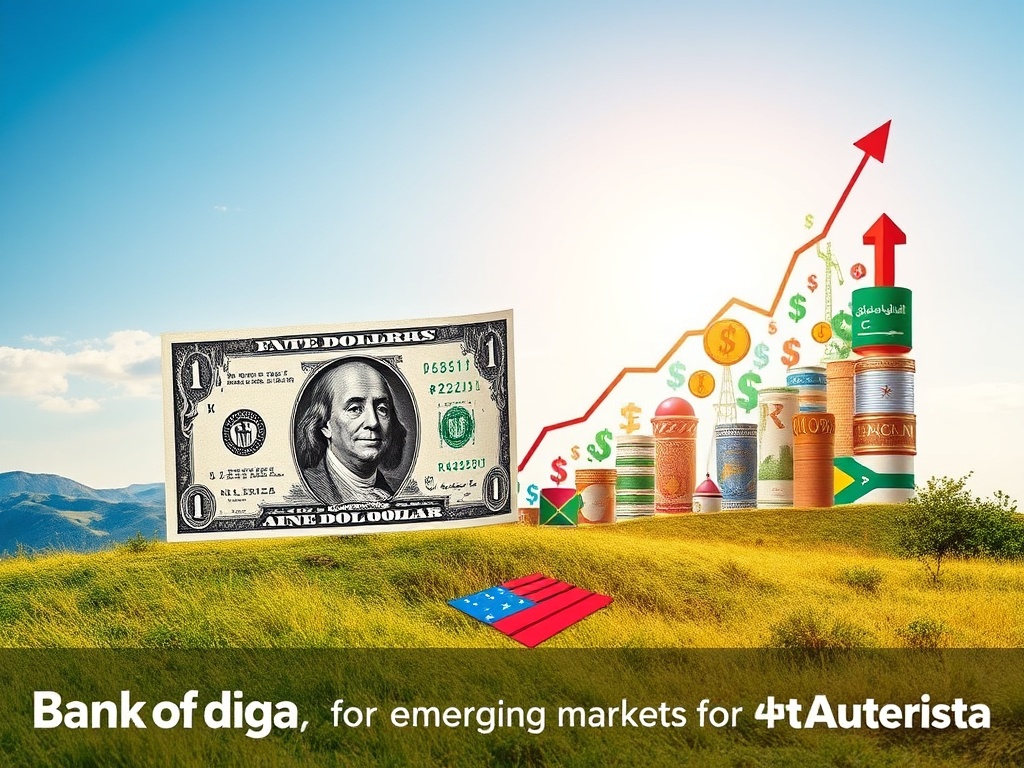
In the dynamic world of global finance, shifts in major currency valuations can create significant ripples, impacting everything from international trade to investment portfolios and even the perceived value of alternative assets like cryptocurrencies. When institutional giants like Bank of America (BofA) revise their outlook, the market takes notice. Recently, BofA has updated its USD forecast, predicting a period of sustained weakness for the US Dollar. This anticipated decline is not just a statistical adjustment; it’s a powerful signal, suggesting a potential boon for the economies of Emerging Europe, Middle East, and Africa (EEMEA) and broader emerging markets. For those invested in digital assets, understanding these macro shifts is crucial, as a weaker dollar often encourages a search for value in non-traditional assets.
What’s Driving the Revised USD Forecast?
The US Dollar’s strength has been a defining feature of global finance for several years, often serving as a safe haven during periods of uncertainty. However, the economic landscape is evolving, and BofA‘s latest analysis points to several key factors contributing to their revised USD forecast:
- Changing Interest Rate Differentials: The US Federal Reserve’s monetary policy, particularly its stance on interest rates, plays a significant role. As other central banks globally begin to normalize their own policies or even consider rate hikes, the interest rate advantage previously held by the US Dollar may diminish. This reduces the incentive for capital to flow into dollar-denominated assets.
- Global Economic Recovery: As the world economy recovers from recent challenges, investor confidence tends to improve. This often leads to a rotation of capital from safe-haven assets like the USD into riskier, higher-yielding assets found in developing economies.
- Inflationary Pressures: While inflation is a global phenomenon, persistent inflation in the US could erode the purchasing power of the dollar, contributing to its depreciation over time. The market’s perception of the Fed’s ability to manage inflation without stifling growth is critical.
- Current Account Dynamics: A nation’s current account balance reflects its trade in goods, services, and investments. Shifts in the US current account, potentially driven by increased imports or reduced exports, can also put downward pressure on the dollar.
These interconnected factors suggest a complex environment where the dollar’s traditional dominance faces new challenges, setting the stage for significant shifts in global capital flows.
How Does Dollar Weakness Empower EEMEA?
A weaker US Dollar can act as a powerful catalyst for growth and stability in EEMEA economies. The mechanisms through which this benefit materializes are multifaceted:
- Reduced Debt Burden: Many emerging economies, including those in EEMEA, have significant portions of their sovereign and corporate debt denominated in US Dollars. When the dollar weakens, the cost of servicing and repaying this debt in local currency terms decreases. This frees up government and corporate resources, which can then be allocated to domestic investment, infrastructure projects, or social programs, stimulating economic activity.
- Enhanced Export Competitiveness: A weaker dollar makes goods and services produced in EEMEA countries more affordable for international buyers holding stronger currencies. This boosts export volumes, strengthens trade balances, and encourages local production, leading to job creation and economic expansion. For commodity-exporting nations within EEMEA, a weaker dollar can also lead to higher commodity prices, further improving terms of trade.
- Increased Capital Inflows: As the dollar loses its appeal, investors often seek higher returns in faster-growing economies. This can lead to increased foreign direct investment (FDI) and portfolio investment into EEMEA. These capital inflows can provide much-needed liquidity, fund new ventures, and support local stock and bond markets, creating a virtuous cycle of growth.
- Improved Terms of Trade: For countries that import goods priced in dollars, a weaker dollar means these imports become cheaper in local currency, improving their terms of trade. This can help manage inflation and support consumer purchasing power.
The cumulative effect of these factors can significantly improve the economic outlook for countries in the EEMEA region, making them more attractive destinations for global capital.
Navigating the EEMEA Landscape: Opportunities and Considerations
The EEMEA region is vast and diverse, encompassing a wide array of economies with varying strengths and vulnerabilities. While the general trend of dollar weakness offers broad benefits, specific opportunities and challenges exist within this heterogeneous group:
| Region/Country Type |
Potential Opportunities |
Key Considerations/Challenges |
| Emerging Europe (e.g., Poland, Hungary, Czech Republic) |
Strong trade links with Western Europe, manufacturing hubs, growing tech sectors. Benefits from cheaper debt and export boost. |
Geopolitical risks, energy dependence, potential for EU policy shifts. |
| Middle East (e.g., Saudi Arabia, UAE, Qatar) |
Oil & gas exports benefit from higher commodity prices (often dollar-denominated), diversification efforts, large sovereign wealth funds. |
Oil price volatility, regional geopolitical tensions, reform implementation speed. |
| Africa (e.g., South Africa, Nigeria, Egypt) |
Rich in natural resources, young and growing populations, increasing urbanization, improving infrastructure. |
Political instability, governance issues, commodity price dependence, infrastructure gaps. |
| Commodity Exporters (e.g., South Africa, Russia – historically) |
Higher revenues from dollar-denominated commodity sales when the dollar is weak. |
Price volatility, reliance on single commodities, environmental concerns. |
Investors looking at emerging markets within EEMEA must conduct thorough due diligence, understanding the specific economic and political dynamics of each country. Diversification across different sub-regions and sectors is often a prudent strategy.
Actionable Insights for Investing in Emerging Markets
Given the anticipated dollar weakness and the positive outlook for EEMEA, investors might consider re-evaluating their portfolios. Here are some actionable insights for those looking to capitalize on these trends in emerging markets:
- Local Currency Bonds: As the dollar weakens, local currencies in EEMEA may strengthen against it. Investing in local currency sovereign or corporate bonds can offer attractive yields and potential currency appreciation gains.
- Equities in Export-Oriented Sectors: Companies in EEMEA that are heavily involved in exporting goods and services will likely see increased demand and profitability. Look for sectors like manufacturing, technology, and specialized services.
- Commodity-Linked Investments: Many EEMEA countries are major commodity producers. A weaker dollar often correlates with higher commodity prices, benefiting these economies. Consider ETFs or direct investments in companies involved in mining, energy, or agriculture within the region.
- Diversification is Key: The EEMEA region is diverse. Spreading investments across different countries and industries can mitigate risks associated with single-country political or economic events.
- Consider Passive and Active Strategies: Investors can gain exposure through passive ETFs that track emerging markets indices, or through actively managed funds that leverage expert knowledge of specific regional opportunities.
It is important to remember that while the tailwinds from a weaker dollar are significant, emerging markets always carry inherent risks, including political instability, currency volatility, and liquidity concerns. A balanced approach, aligned with individual risk tolerance, is always advisable.
Beyond the Horizon: What Does BofA‘s Outlook Mean for Global Finance?
The BofA USD forecast is more than just a currency prediction; it reflects a broader shift in global economic power dynamics. A sustained period of dollar weakness could reshape trade relationships, alter global investment patterns, and potentially influence the international monetary system. For cryptocurrencies, this macro environment could be supportive, as a declining dollar often pushes investors to seek alternative stores of value, including digital assets. Historically, periods of dollar depreciation have sometimes coincided with increased interest in gold and, more recently, in Bitcoin and other cryptocurrencies as hedges against traditional currency devaluation.
The bank’s perspective suggests that the current environment favors a reallocation of capital towards growth-oriented regions. This outlook emphasizes the importance of global diversification and staying informed about macro-economic trends that can significantly impact investment performance across all asset classes, from traditional stocks and bonds to the burgeoning crypto market.
A Compelling Future for EEMEA
Bank of America’s revised USD forecast paints a compelling picture for the EEMEA region. The anticipated period of dollar weakness is poised to alleviate debt burdens, boost export competitiveness, and attract crucial capital inflows, fostering economic growth across these dynamic emerging markets. While challenges remain, the macro environment appears increasingly favorable for countries within Emerging Europe, the Middle East, and Africa. Investors who understand these shifts and position themselves strategically could unlock significant opportunities in the coming period. This fundamental change in currency dynamics underscores the interconnectedness of global finance and the need for a comprehensive investment perspective that looks beyond traditional boundaries.
To learn more about the latest Forex market trends, explore our article on key developments shaping the US Dollar and global liquidity.
This post USD Forecast: Unlocking Positive Gains for EEMEA as Dollar Weakens first appeared on BitcoinWorld and is written by Editorial Team
Market Opportunity
Gravity (G) Live Price Chart
Disclaimer: The articles reposted on this site are sourced from public platforms and are provided for informational purposes only. They do not necessarily reflect the views of MEXC. All rights remain with the original authors. If you believe any content infringes on third-party rights, please contact
crypto.news@mexc.com for removal. MEXC makes no guarantees regarding the accuracy, completeness, or timeliness of the content and is not responsible for any actions taken based on the information provided. The content does not constitute financial, legal, or other professional advice, nor should it be considered a recommendation or endorsement by MEXC.