Nigeria’s Venture Capital Market Strengthens Under SEC Regulations

Nigeria’s venture capital (VC) sector has evolved from an informal, relationship-driven ecosystem into a structured market increasingly shaped by regulatory oversight.
As domestic and international investors continue to fund high-growth startups across fintech, logistics, healthtech and energy, compliance with Securities and Exchange Commission (SEC) regulations has become central to fund operations.
The maturation of Nigeria’s VC environment reflects a broader shift in African capital markets. Regulatory clarity is no longer seen as a constraint but as a prerequisite for institutional capital.
From Informal Capital to Structured Funds
In its early phase, Nigeria’s venture ecosystem relied heavily on founder networks, angel investors and offshore holding structures. Over time, however, the SEC has introduced clearer rules governing fund registration, capital requirements, disclosure standards and reporting obligations.
VC firms operating locally must now navigate formal registration processes, meet minimum capital thresholds and adhere to structured fund governance requirements. These frameworks govern not only capital raising but also portfolio management, valuation standards and exit pathways.
The objective is twofold: protect investors and deepen market credibility.
Compliance as Competitive Advantage
As regulatory oversight strengthens, compliance capability has become a differentiator. Well-structured VC firms are better positioned to attract pension funds, development finance institutions and international limited partners that require regulatory transparency.
Recent amendments to SEC rules have emphasised registration clarity, capital adequacy and operational reporting standards. While compliance costs may rise in the short term, the long-term effect is ecosystem stabilisation.
For foreign investors, regulatory coherence reduces perceived risk. For startups, it enhances access to patient capital backed by institutional frameworks.
What This Means for 2026
Nigeria remains one of Africa’s largest venture markets by deal volume and capital inflows. The regulatory shift signals that the country aims to anchor that growth within a durable financial architecture.
As venture activity scales, the key question is no longer whether Nigeria can attract startup funding, but whether its regulatory infrastructure can sustain multi-cycle capital deployment.
The answer will shape Nigeria’s position within Africa’s evolving innovation economy.
The post Nigeria’s Venture Capital Market Strengthens Under SEC Regulations appeared first on FurtherAfrica.
You May Also Like
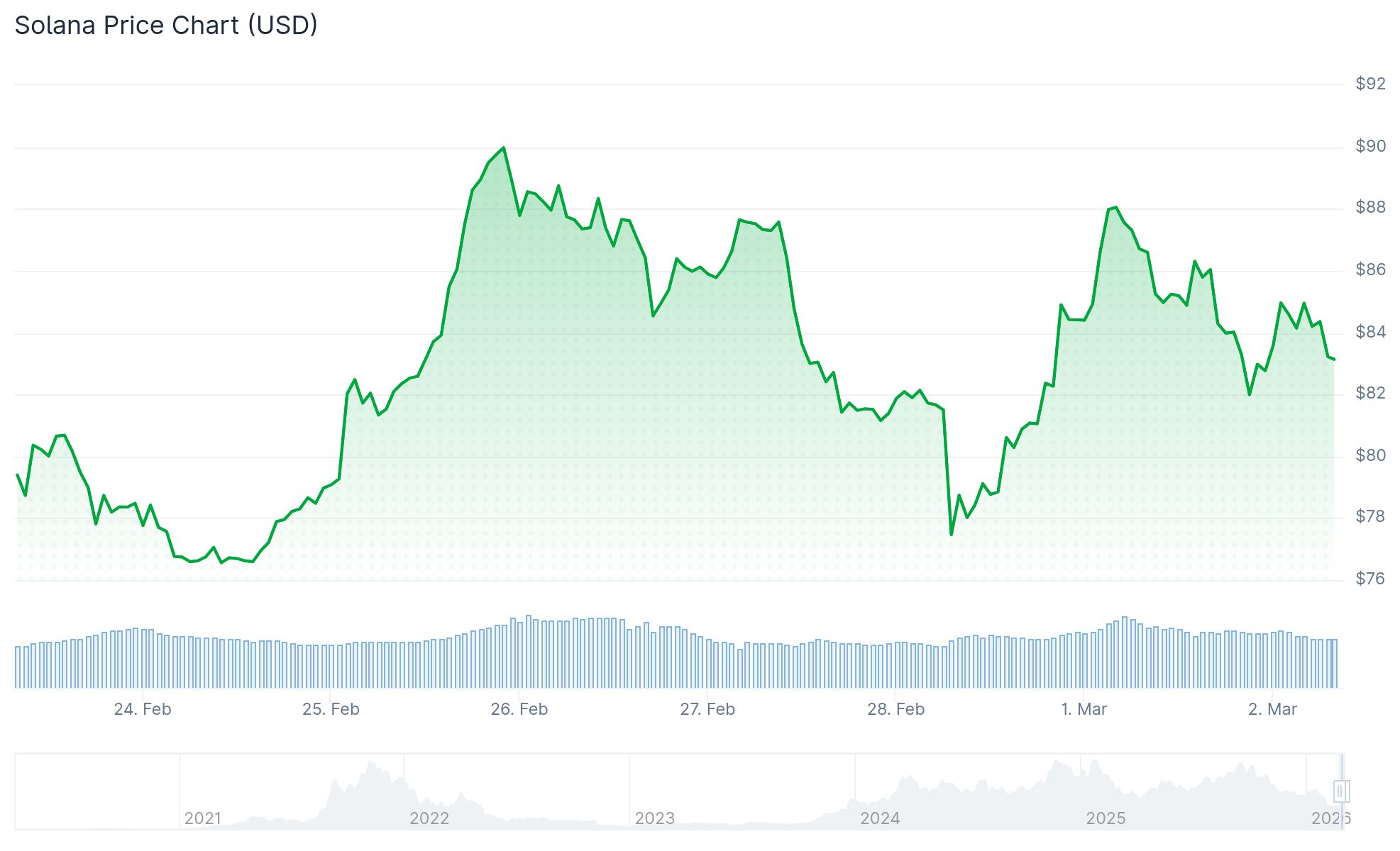
Solana (SOL) Price: Is a Breakout Coming After Four Weeks Stuck in the Same Range?

South Africa Tax Collector Deploys New Tech to Track Crypto and Offshore Assets