BitcoinWorld Grayscale’s Spot DOT ETF: A Pivotal Delay Extends Regulatory Scrutiny The cryptocurrency world is once again holding its breath as the U.S. Securities and Exchange Commission (SEC) has announced a significant extension. Specifically, the regulatory body has pushed back its review deadline for Grayscale’s spot DOT ETF application to November 8. This development marks another chapter in the ongoing saga of bringing mainstream investment vehicles to the digital asset space. For many, a spot ETF represents a crucial bridge between traditional finance and the innovative world of cryptocurrencies like Polkadot (DOT). What Does This Grayscale Spot DOT ETF Delay Mean for Investors? When the SEC extends a review period, it signals that they require more time to thoroughly evaluate the proposal. This is a common occurrence for complex financial products, especially those involving novel assets like cryptocurrencies. For Grayscale’s spot DOT ETF, this means the commission is likely digging deeper into various aspects of the fund. They are scrutinizing market structure, investor protection measures, and the underlying Polkadot ecosystem itself. While frustrating for those eager for approval, it underscores the SEC’s cautious approach. Why Is the SEC Taking Its Time with Spot DOT ETFs? The SEC’s primary mandate is to protect investors and ensure fair and orderly markets. When it comes to spot crypto ETFs, the commission often cites concerns about potential market manipulation, liquidity, and the custody of digital assets. Unlike futures-based ETFs, a spot ETF holds the actual cryptocurrency. This introduces unique challenges for regulators. Polkadot, with its innovative parachain architecture and staking mechanisms, presents a distinct set of considerations compared to more established assets like Bitcoin or Ethereum. The SEC needs to understand how a Grayscale’s spot DOT ETF would manage these complexities within a regulated framework. What Are the Potential Benefits and Challenges of a Spot DOT ETF? The approval of a Grayscale’s spot DOT ETF could unlock several significant advantages for the broader market, alongside some inherent challenges. Benefits: Increased Accessibility: A spot ETF would allow traditional investors to gain exposure to Polkadot without directly buying and storing the cryptocurrency. This simplifies the investment process. Institutional Adoption: It could attract substantial capital from institutional investors, who often prefer regulated, easily tradable products. Enhanced Price Discovery: Greater participation from diverse investor groups could lead to more efficient and robust price discovery for DOT. Regulatory Clarity: An approval would set a precedent, potentially paving the way for other altcoin spot ETFs. Challenges: Regulatory Hurdles: The SEC’s ongoing concerns about market integrity remain a significant barrier. Market Volatility: Cryptocurrencies are known for their price swings, and an ETF would expose investors to this volatility within a traditional investment vehicle. Competition: The market for crypto investment products is growing, and any new ETF would face competition from existing funds and direct crypto purchases. What’s Next for Grayscale’s Spot DOT ETF and Investors? The new deadline of November 8 now becomes a critical date on the crypto calendar. Investors and enthusiasts will be closely watching for any further announcements from the SEC. While extensions can be disheartening, they are not necessarily indicative of an eventual rejection. Often, they simply mean the regulatory body is conducting its due diligence thoroughly. For those interested in the Polkadot ecosystem, this period offers an opportunity to deepen their understanding of DOT’s technology and its potential market impact. Actionable Insight: Stay informed by following official SEC announcements and reputable crypto news sources. Understand that regulatory decisions can significantly influence market sentiment and asset prices. Conclusion: The extended review period for Grayscale’s spot DOT ETF highlights the cautious yet evolving relationship between traditional finance and the cryptocurrency space. While the wait continues, this process is crucial for establishing robust frameworks that protect investors and foster innovation. The outcome of this decision will undoubtedly shape the future trajectory of institutional engagement with altcoins and the broader digital asset market. Frequently Asked Questions (FAQs) Q1: What is a spot ETF? A: A spot Exchange Traded Fund (ETF) holds the underlying asset directly. In this case, a spot DOT ETF would hold actual Polkadot (DOT) tokens, allowing investors to gain exposure to DOT’s price movements without owning the cryptocurrency itself. Q2: Why is the SEC extending the deadline for Grayscale’s spot DOT ETF? A: The SEC typically extends review periods for complex financial products to allow more time for thorough evaluation of market structure, investor protection, and the unique characteristics of the underlying asset, in this case, Polkadot. Q3: How does a spot DOT ETF differ from a futures DOT ETF? A: A spot DOT ETF directly holds Polkadot tokens, reflecting its current market price. A futures DOT ETF, however, invests in futures contracts that bet on Polkadot’s future price, rather than holding the asset itself. Q4: What impact could a Grayscale spot DOT ETF approval have on Polkadot (DOT)? A: Approval could significantly boost DOT’s visibility and liquidity, attracting more institutional investment and potentially leading to increased demand and price appreciation. It would also lend further legitimacy to the Polkadot ecosystem. Q5: Is an extension a bad sign for the approval of Grayscale’s spot DOT ETF? A: Not necessarily. While it prolongs the wait, extensions are a standard part of the SEC’s review process for novel financial products. It simply indicates that the commission requires more time for due diligence. Did you find this update on Grayscale’s spot DOT ETF insightful? Share this article with your network on social media to keep others informed about the evolving crypto regulatory landscape and its impact on promising assets like Polkadot! To learn more about the latest crypto market trends, explore our article on key developments shaping Polkadot institutional adoption. This post Grayscale’s Spot DOT ETF: A Pivotal Delay Extends Regulatory Scrutiny first appeared on BitcoinWorld and is written by Editorial TeamBitcoinWorld Grayscale’s Spot DOT ETF: A Pivotal Delay Extends Regulatory Scrutiny The cryptocurrency world is once again holding its breath as the U.S. Securities and Exchange Commission (SEC) has announced a significant extension. Specifically, the regulatory body has pushed back its review deadline for Grayscale’s spot DOT ETF application to November 8. This development marks another chapter in the ongoing saga of bringing mainstream investment vehicles to the digital asset space. For many, a spot ETF represents a crucial bridge between traditional finance and the innovative world of cryptocurrencies like Polkadot (DOT). What Does This Grayscale Spot DOT ETF Delay Mean for Investors? When the SEC extends a review period, it signals that they require more time to thoroughly evaluate the proposal. This is a common occurrence for complex financial products, especially those involving novel assets like cryptocurrencies. For Grayscale’s spot DOT ETF, this means the commission is likely digging deeper into various aspects of the fund. They are scrutinizing market structure, investor protection measures, and the underlying Polkadot ecosystem itself. While frustrating for those eager for approval, it underscores the SEC’s cautious approach. Why Is the SEC Taking Its Time with Spot DOT ETFs? The SEC’s primary mandate is to protect investors and ensure fair and orderly markets. When it comes to spot crypto ETFs, the commission often cites concerns about potential market manipulation, liquidity, and the custody of digital assets. Unlike futures-based ETFs, a spot ETF holds the actual cryptocurrency. This introduces unique challenges for regulators. Polkadot, with its innovative parachain architecture and staking mechanisms, presents a distinct set of considerations compared to more established assets like Bitcoin or Ethereum. The SEC needs to understand how a Grayscale’s spot DOT ETF would manage these complexities within a regulated framework. What Are the Potential Benefits and Challenges of a Spot DOT ETF? The approval of a Grayscale’s spot DOT ETF could unlock several significant advantages for the broader market, alongside some inherent challenges. Benefits: Increased Accessibility: A spot ETF would allow traditional investors to gain exposure to Polkadot without directly buying and storing the cryptocurrency. This simplifies the investment process. Institutional Adoption: It could attract substantial capital from institutional investors, who often prefer regulated, easily tradable products. Enhanced Price Discovery: Greater participation from diverse investor groups could lead to more efficient and robust price discovery for DOT. Regulatory Clarity: An approval would set a precedent, potentially paving the way for other altcoin spot ETFs. Challenges: Regulatory Hurdles: The SEC’s ongoing concerns about market integrity remain a significant barrier. Market Volatility: Cryptocurrencies are known for their price swings, and an ETF would expose investors to this volatility within a traditional investment vehicle. Competition: The market for crypto investment products is growing, and any new ETF would face competition from existing funds and direct crypto purchases. What’s Next for Grayscale’s Spot DOT ETF and Investors? The new deadline of November 8 now becomes a critical date on the crypto calendar. Investors and enthusiasts will be closely watching for any further announcements from the SEC. While extensions can be disheartening, they are not necessarily indicative of an eventual rejection. Often, they simply mean the regulatory body is conducting its due diligence thoroughly. For those interested in the Polkadot ecosystem, this period offers an opportunity to deepen their understanding of DOT’s technology and its potential market impact. Actionable Insight: Stay informed by following official SEC announcements and reputable crypto news sources. Understand that regulatory decisions can significantly influence market sentiment and asset prices. Conclusion: The extended review period for Grayscale’s spot DOT ETF highlights the cautious yet evolving relationship between traditional finance and the cryptocurrency space. While the wait continues, this process is crucial for establishing robust frameworks that protect investors and foster innovation. The outcome of this decision will undoubtedly shape the future trajectory of institutional engagement with altcoins and the broader digital asset market. Frequently Asked Questions (FAQs) Q1: What is a spot ETF? A: A spot Exchange Traded Fund (ETF) holds the underlying asset directly. In this case, a spot DOT ETF would hold actual Polkadot (DOT) tokens, allowing investors to gain exposure to DOT’s price movements without owning the cryptocurrency itself. Q2: Why is the SEC extending the deadline for Grayscale’s spot DOT ETF? A: The SEC typically extends review periods for complex financial products to allow more time for thorough evaluation of market structure, investor protection, and the unique characteristics of the underlying asset, in this case, Polkadot. Q3: How does a spot DOT ETF differ from a futures DOT ETF? A: A spot DOT ETF directly holds Polkadot tokens, reflecting its current market price. A futures DOT ETF, however, invests in futures contracts that bet on Polkadot’s future price, rather than holding the asset itself. Q4: What impact could a Grayscale spot DOT ETF approval have on Polkadot (DOT)? A: Approval could significantly boost DOT’s visibility and liquidity, attracting more institutional investment and potentially leading to increased demand and price appreciation. It would also lend further legitimacy to the Polkadot ecosystem. Q5: Is an extension a bad sign for the approval of Grayscale’s spot DOT ETF? A: Not necessarily. While it prolongs the wait, extensions are a standard part of the SEC’s review process for novel financial products. It simply indicates that the commission requires more time for due diligence. Did you find this update on Grayscale’s spot DOT ETF insightful? Share this article with your network on social media to keep others informed about the evolving crypto regulatory landscape and its impact on promising assets like Polkadot! To learn more about the latest crypto market trends, explore our article on key developments shaping Polkadot institutional adoption. This post Grayscale’s Spot DOT ETF: A Pivotal Delay Extends Regulatory Scrutiny first appeared on BitcoinWorld and is written by Editorial Team

Grayscale’s Spot DOT ETF: A Pivotal Delay Extends Regulatory Scrutiny

BitcoinWorld
Grayscale’s Spot DOT ETF: A Pivotal Delay Extends Regulatory Scrutiny

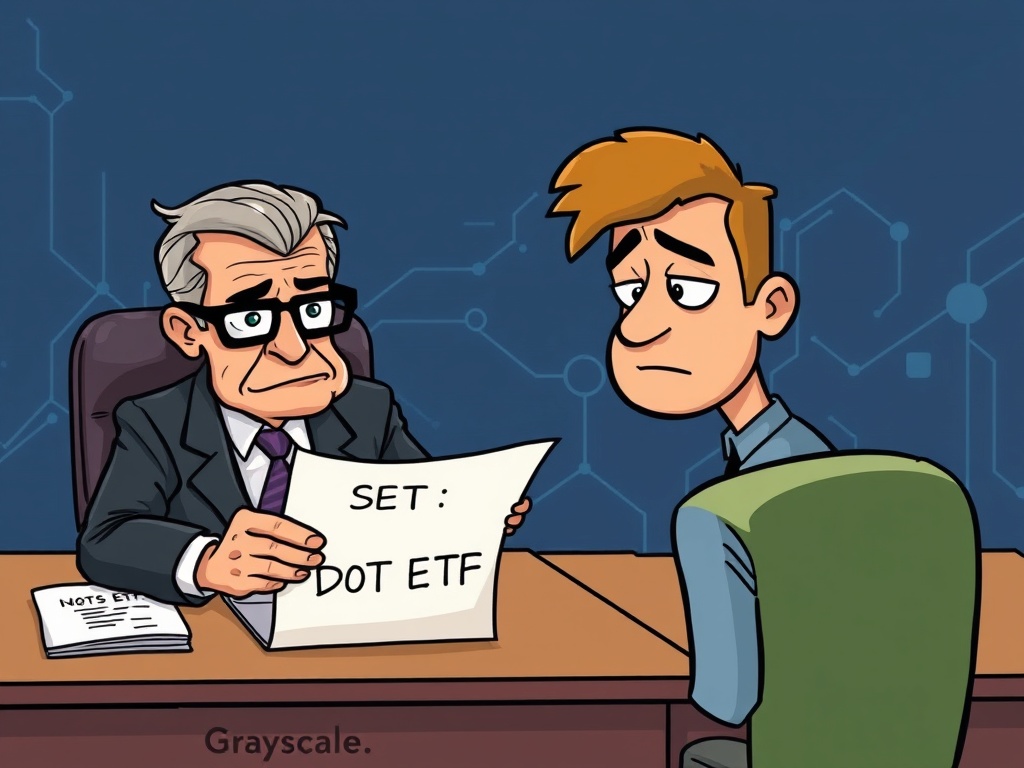
The cryptocurrency world is once again holding its breath as the U.S. Securities and Exchange Commission (SEC) has announced a significant extension. Specifically, the regulatory body has pushed back its review deadline for Grayscale’s spot DOT ETF application to November 8. This development marks another chapter in the ongoing saga of bringing mainstream investment vehicles to the digital asset space. For many, a spot ETF represents a crucial bridge between traditional finance and the innovative world of cryptocurrencies like Polkadot (DOT).

What Does This Grayscale Spot DOT ETF Delay Mean for Investors?

When the SEC extends a review period, it signals that they require more time to thoroughly evaluate the proposal. This is a common occurrence for complex financial products, especially those involving novel assets like cryptocurrencies. For Grayscale’s spot DOT ETF, this means the commission is likely digging deeper into various aspects of the fund. They are scrutinizing market structure, investor protection measures, and the underlying Polkadot ecosystem itself. While frustrating for those eager for approval, it underscores the SEC’s cautious approach.

Why Is the SEC Taking Its Time with Spot DOT ETFs?

The SEC’s primary mandate is to protect investors and ensure fair and orderly markets. When it comes to spot crypto ETFs, the commission often cites concerns about potential market manipulation, liquidity, and the custody of digital assets. Unlike futures-based ETFs, a spot ETF holds the actual cryptocurrency. This introduces unique challenges for regulators. Polkadot, with its innovative parachain architecture and staking mechanisms, presents a distinct set of considerations compared to more established assets like Bitcoin or Ethereum. The SEC needs to understand how a Grayscale’s spot DOT ETF would manage these complexities within a regulated framework.

What Are the Potential Benefits and Challenges of a Spot DOT ETF?

The approval of a Grayscale’s spot DOT ETF could unlock several significant advantages for the broader market, alongside some inherent challenges.

  • Benefits:
    • Increased Accessibility: A spot ETF would allow traditional investors to gain exposure to Polkadot without directly buying and storing the cryptocurrency. This simplifies the investment process.
    • Institutional Adoption: It could attract substantial capital from institutional investors, who often prefer regulated, easily tradable products.
    • Enhanced Price Discovery: Greater participation from diverse investor groups could lead to more efficient and robust price discovery for DOT.
    • Regulatory Clarity: An approval would set a precedent, potentially paving the way for other altcoin spot ETFs.
  • Challenges:
    • Regulatory Hurdles: The SEC’s ongoing concerns about market integrity remain a significant barrier.
    • Market Volatility: Cryptocurrencies are known for their price swings, and an ETF would expose investors to this volatility within a traditional investment vehicle.
    • Competition: The market for crypto investment products is growing, and any new ETF would face competition from existing funds and direct crypto purchases.

What’s Next for Grayscale’s Spot DOT ETF and Investors?

The new deadline of November 8 now becomes a critical date on the crypto calendar. Investors and enthusiasts will be closely watching for any further announcements from the SEC. While extensions can be disheartening, they are not necessarily indicative of an eventual rejection. Often, they simply mean the regulatory body is conducting its due diligence thoroughly. For those interested in the Polkadot ecosystem, this period offers an opportunity to deepen their understanding of DOT’s technology and its potential market impact.

Actionable Insight: Stay informed by following official SEC announcements and reputable crypto news sources. Understand that regulatory decisions can significantly influence market sentiment and asset prices.

Conclusion: The extended review period for Grayscale’s spot DOT ETF highlights the cautious yet evolving relationship between traditional finance and the cryptocurrency space. While the wait continues, this process is crucial for establishing robust frameworks that protect investors and foster innovation. The outcome of this decision will undoubtedly shape the future trajectory of institutional engagement with altcoins and the broader digital asset market.

Frequently Asked Questions (FAQs)

Q1: What is a spot ETF?

A: A spot Exchange Traded Fund (ETF) holds the underlying asset directly. In this case, a spot DOT ETF would hold actual Polkadot (DOT) tokens, allowing investors to gain exposure to DOT’s price movements without owning the cryptocurrency itself.

Q2: Why is the SEC extending the deadline for Grayscale’s spot DOT ETF?

A: The SEC typically extends review periods for complex financial products to allow more time for thorough evaluation of market structure, investor protection, and the unique characteristics of the underlying asset, in this case, Polkadot.

Q3: How does a spot DOT ETF differ from a futures DOT ETF?

A: A spot DOT ETF directly holds Polkadot tokens, reflecting its current market price. A futures DOT ETF, however, invests in futures contracts that bet on Polkadot’s future price, rather than holding the asset itself.

Q4: What impact could a Grayscale spot DOT ETF approval have on Polkadot (DOT)?

A: Approval could significantly boost DOT’s visibility and liquidity, attracting more institutional investment and potentially leading to increased demand and price appreciation. It would also lend further legitimacy to the Polkadot ecosystem.

Q5: Is an extension a bad sign for the approval of Grayscale’s spot DOT ETF?

A: Not necessarily. While it prolongs the wait, extensions are a standard part of the SEC’s review process for novel financial products. It simply indicates that the commission requires more time for due diligence.

Did you find this update on Grayscale’s spot DOT ETF insightful? Share this article with your network on social media to keep others informed about the evolving crypto regulatory landscape and its impact on promising assets like Polkadot!

To learn more about the latest crypto market trends, explore our article on key developments shaping Polkadot institutional adoption.

This post Grayscale’s Spot DOT ETF: A Pivotal Delay Extends Regulatory Scrutiny first appeared on BitcoinWorld and is written by Editorial Team


Market Opportunity
Union Logo
Union Price(U)
$0.00281
$0.00281$0.00281
+1.26%
USD
Union (U) Live Price Chart
Disclaimer: The articles reposted on this site are sourced from public platforms and are provided for informational purposes only. They do not necessarily reflect the views of MEXC. All rights remain with the original authors. If you believe any content infringes on third-party rights, please contact service@support.mexc.com for removal. MEXC makes no guarantees regarding the accuracy, completeness, or timeliness of the content and is not responsible for any actions taken based on the information provided. The content does not constitute financial, legal, or other professional advice, nor should it be considered a recommendation or endorsement by MEXC.

You May Also Like

XRP at $10 This Month? ChatGPT Analyzes the Most Recent Ripple Price Predictions

XRP at $10 This Month? ChatGPT Analyzes the Most Recent Ripple Price Predictions

The post XRP at $10 This Month? ChatGPT Analyzes the Most Recent Ripple Price Predictions appeared on BitcoinEthereumNews.com. Home » Crypto Bits Can XRP really
Share
BitcoinEthereumNews2026/01/17 15:13
What Is the Top Health Center in Idaho?

What Is the Top Health Center in Idaho?

When it comes to healthcare excellence in Idaho, several medical centers stand out for their outstanding patient care, advanced treatments, and wide range of services
Share
Techbullion2026/01/17 15:28
How to earn from cloud mining: IeByte’s upgraded auto-cloud mining platform unlocks genuine passive earnings

How to earn from cloud mining: IeByte’s upgraded auto-cloud mining platform unlocks genuine passive earnings

The post How to earn from cloud mining: IeByte’s upgraded auto-cloud mining platform unlocks genuine passive earnings appeared on BitcoinEthereumNews.com. contributor Posted: September 17, 2025 As digital assets continue to reshape global finance, cloud mining has become one of the most effective ways for investors to generate stable passive income. Addressing the growing demand for simplicity, security, and profitability, IeByte has officially upgraded its fully automated cloud mining platform, empowering both beginners and experienced investors to earn Bitcoin, Dogecoin, and other mainstream cryptocurrencies without the need for hardware or technical expertise. Why cloud mining in 2025? Traditional crypto mining requires expensive hardware, high electricity costs, and constant maintenance. In 2025, with blockchain networks becoming more competitive, these barriers have grown even higher. Cloud mining solves this by allowing users to lease professional mining power remotely, eliminating the upfront costs and complexity. IeByte stands at the forefront of this transformation, offering investors a transparent and seamless path to daily earnings. IeByte’s upgraded auto-cloud mining platform With its latest upgrade, IeByte introduces: Full Automation: Mining contracts can be activated in just one click, with all processes handled by IeByte’s servers. Enhanced Security: Bank-grade encryption, cold wallets, and real-time monitoring protect every transaction. Scalable Options: From starter packages to high-level investment contracts, investors can choose the plan that matches their goals. Global Reach: Already trusted by users in over 100 countries. Mining contracts for 2025 IeByte offers a wide range of contracts tailored for every investor level. From entry-level plans with daily returns to premium high-yield packages, the platform ensures maximum accessibility. Contract Type Duration Price Daily Reward Total Earnings (Principal + Profit) Starter Contract 1 Day $200 $6 $200 + $6 + $10 bonus Bronze Basic Contract 2 Days $500 $13.5 $500 + $27 Bronze Basic Contract 3 Days $1,200 $36 $1,200 + $108 Silver Advanced Contract 1 Day $5,000 $175 $5,000 + $175 Silver Advanced Contract 2 Days $8,000 $320 $8,000 + $640 Silver…
Share
BitcoinEthereumNews2025/09/17 23:48