Historic Transition: Iran Elects Mojtaba Khamenei as New Supreme Leader
BitcoinWorld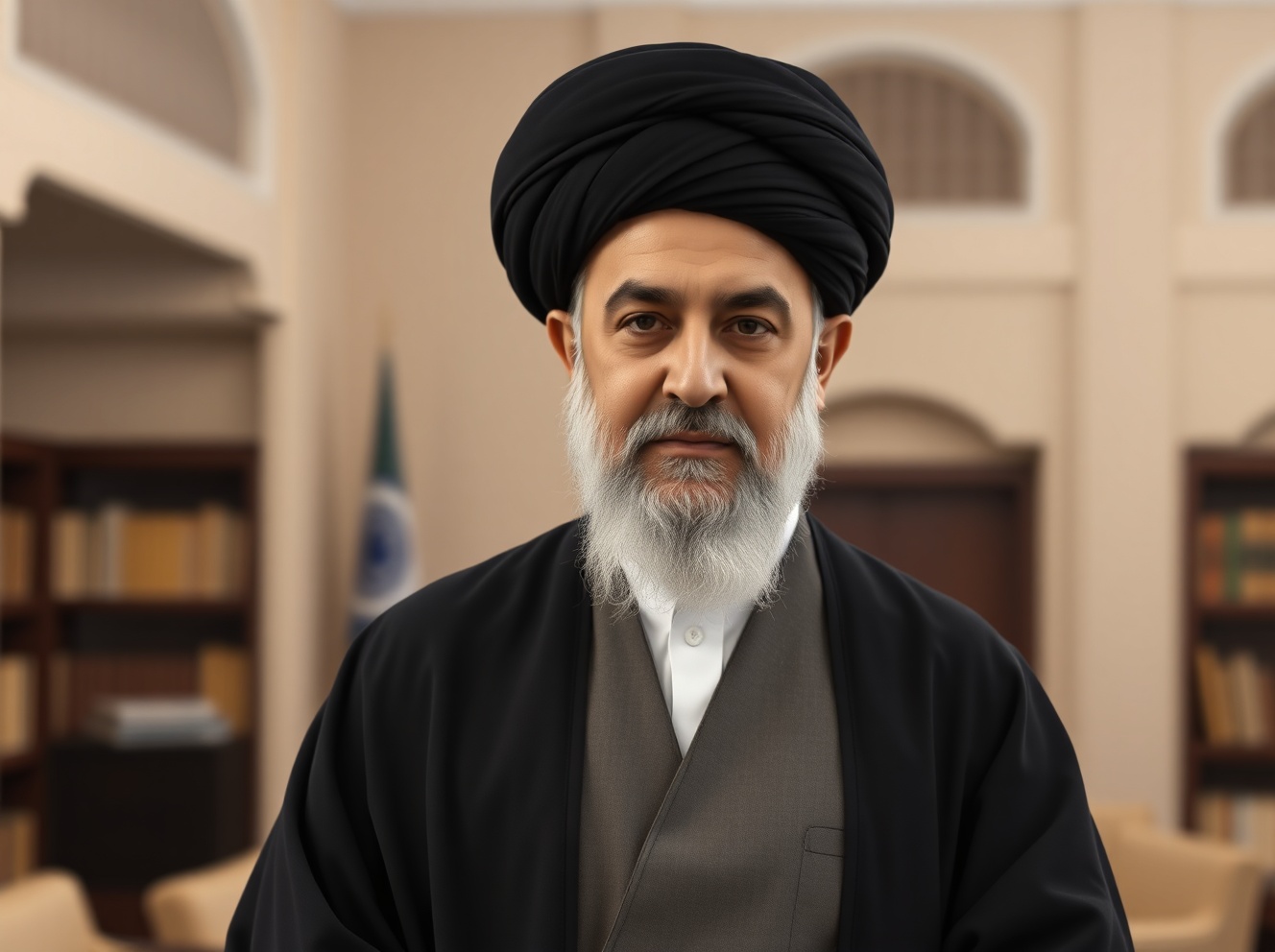
Historic Transition: Iran Elects Mojtaba Khamenei as New Supreme Leader
TEHRAN, Iran – In a landmark decision with profound implications for the Middle East, Iran’s Assembly of Experts has elected Mojtaba Khamenei as the nation’s new Supreme Leader. This pivotal transition follows the passing of his father, Ayatollah Seyyed Ali Khamenei, and marks only the third leadership change in the history of the Islamic Republic. The 56-year-old cleric, long considered a powerful behind-the-scenes operator, now assumes ultimate authority over Iran’s political, military, and religious institutions.
Mojtaba Khamenei Assumes Supreme Leadership
The Assembly of Experts announced the appointment after a decisive vote during a special closed-door session. Consequently, the 88-member body of senior clerics concluded an extensive review process. The assembly’s statement emphasized the constitutional mandate guiding their selection. Furthermore, the transition represents a critical moment for Iran’s political stability. Mojtaba Khamenei’s elevation confirms years of speculation about the succession. Previously, he maintained a notably low public profile despite his significant influence.
Historically, the Supreme Leader holds ultimate authority in Iran’s complex political system. This position oversees the executive, legislative, and judicial branches. Moreover, the leader commands the armed forces and sets foreign policy direction. The role combines religious authority with political power uniquely. Therefore, this appointment will shape Iran’s domestic and international trajectory for decades.
The Assembly of Experts’ Deliberate Process
The constitutional body responsible for this appointment follows strict procedures. The Assembly of Experts must select a leader possessing both deep religious knowledge and political wisdom. Accordingly, members conducted thorough evaluations of all potential candidates. The assembly’s deliberations remained confidential throughout the process. However, analysts note the decisive nature of the final vote indicates strong consensus.
Constitutional Framework and Succession Criteria
Iran’s constitution outlines specific qualifications for the Supreme Leader position. Key requirements include:
- Religious Scholarship: Recognized expertise in Islamic jurisprudence (Ijtihad)
- Political Acumen: Proven understanding of contemporary issues
- Moral Character: Exemplary piety and justice
- Public Acceptance: Broad support among the population
The assembly reportedly verified Mojtaba Khamenei’s credentials against each criterion meticulously. Additionally, his decades of experience within Iran’s power structures provided practical preparation. Meanwhile, international observers monitored the process for signs of internal division. Ultimately, the smooth transition suggests institutional cohesion.
Mojtaba Khamenei’s Background and Influence
The new leader has operated within Iran’s power centers for over three decades. He developed particularly strong connections with several key institutions:
| Institution | Reported Connection | Significance |
|---|---|---|
| Islamic Revolutionary Guard Corps (IRGC) | Advisor and liaison role | Military and security influence |
| Intelligence Agencies | Oversight and coordination functions | Domestic and foreign intelligence |
| Religious Seminaries (Hawzas) | Teaching and scholarly networks | Religious authority foundation |
| Economic Foundations (Bonyads) | Administrative experience | Control over significant resources |
These relationships provide him with substantial operational knowledge. However, his relative youth compared to previous leaders introduces new dynamics. At 56, he represents a generational shift within the leadership. Consequently, his approach may blend traditional values with contemporary methods.
Regional and International Implications
The leadership change occurs during a period of regional tension and diplomatic challenges. Several immediate areas will test the new Supreme Leader’s approach:
- Nuclear Negotiations: Iran’s stance on reviving the JCPOA agreement
- Regional Proxy Networks: Support for groups across the Middle East
- Economic Sanctions: Strategies for mitigating international pressure
- Domestic Unrest: Addressing periodic public protests and discontent
Regional powers are analyzing the transition carefully. Similarly, global powers await policy signals. Meanwhile, international markets monitor energy supply implications. Therefore, initial statements and appointments will receive intense scrutiny.
Historical Context of Iranian Leadership Transitions
Iran has experienced only two previous successions since the 1979 Revolution. Firstly, Ayatollah Ruhollah Khomeini established the Islamic Republic. Subsequently, Ayatollah Ali Khamenei succeeded him in 1989. Each transition shaped Iran’s development profoundly. Now, the third transition introduces both continuity and potential change.
The late Ayatollah Khamenei led Iran for 35 years through multiple challenges. His tenure witnessed the Iran-Iraq War, nuclear development, and shifting international relations. Meanwhile, he consolidated the Supreme Leader’s institutional authority significantly. Consequently, his successor inherits a powerful but complex system.
Conclusion
The election of Mojtaba Khamenei as Iran’s new Supreme Leader represents a historic moment for the nation and the wider region. The Assembly of Experts has navigated a critical constitutional process during a challenging period. While the new leader brings substantial experience within Iran’s power structures, his public leadership approach remains untested. The international community now observes how he will address Iran’s domestic pressures and foreign policy dilemmas. Ultimately, this leadership transition will influence Middle Eastern geopolitics and global energy markets for years to come.
FAQs
Q1: What is the Assembly of Experts?
The Assembly of Experts is an 88-member body of senior Islamic clerics in Iran. They are responsible for appointing, supervising, and potentially dismissing the Supreme Leader according to the country’s constitution.
Q2: How does Mojtaba Khamenei’s leadership differ from his father’s?
While maintaining ideological continuity, Mojtaba Khamenei is significantly younger (56 versus 85 at his father’s passing) and has operated more within military and intelligence circles. His leadership style and policy priorities will become clearer through initial appointments and statements.
Q3: What immediate challenges does the new Supreme Leader face?
Key challenges include reviving the nuclear deal negotiations, addressing economic sanctions, managing regional proxy relationships, and responding to periodic domestic unrest over economic conditions and social restrictions.
Q4: How does this transition affect Iran’s foreign policy?
While dramatic shifts are unlikely initially, the new leader may recalibrate approaches to negotiations, regional conflicts, and relationships with global powers based on his security background and assessment of current geopolitical realities.
Q5: What is the significance of the Supreme Leader’s role in Iran’s government?
The Supreme Leader is the highest-ranking political and religious authority in Iran. He controls the armed forces, intelligence agencies, judiciary, and media while setting overarching policy directions, making the position more powerful than the presidency.
This post Historic Transition: Iran Elects Mojtaba Khamenei as New Supreme Leader first appeared on BitcoinWorld.


You May Also Like

Metaplanet Stock Passes MARA to Become Third-Largest BTC Holder — Stock Slips Anyway

Why Businesses Need Professional Machine Design and Development Services