OP Labs streamlined operations as competition among Ethereum [ETH] scaling networks intensified. The company laid off 20 employees, roughly 20% of its 102-person team, to focus on fewer development priorities. Leadership emphasized that the move reflected strategic focus rather than financial strain.
Meanwhile, the Optimism [OP] ecosystem continued expanding within the Layer-2 sector. L2BEAT data showed Ethereum scaling networks securing about $32.5 billion in total value, highlighting sustained growth. As developers concentrated on high-impact upgrades, teams increasingly prioritized execution over expansion.
Source: XThis shift reflected broader industry trends. Venture funding reached $19.7 billion in 2025, yet investors favored disciplined projects with sustainable models. As competition with Arbitrum and Base intensified, OP Labs’ restructuring signaled a maturing phase where lean teams and focused innovation shaped Layer-2 competition.
Solana strengthens its position in digital payment infrastructure
Solana strengthened its payments strategy after joining Mastercard’s Crypto Partner Program, which connects more than 85 crypto-native firms, payment providers, and financial institutions. The initiative focuses on integrating digital assets into real-world payment use cases such as remittances and merchant settlements.
Source: XWithin this framework, Solana has positioned itself as a high-speed settlement layer for blockchain payments. As payment providers increasingly test stablecoins and blockchain rails, scalable networks gain importance. Meanwhile, Mastercard’s presence in over 200 countries helps bridge blockchain infrastructure with traditional finance.
Wells Fargo signals interest in bank-issued stablecoins
Meanwhile, the shift toward blockchain-based payments is also reaching traditional banks. Wells Fargo filed a trademark for “WFUSD” with the U.S. Patent and Trademark Office. The filing covered digital wallets, trading software, tokenization services, and blockchain settlement tools.
At the same time, the name resembled stablecoins like USDC and USDT, suggesting potential plans for a dollar-pegged token. As stablecoin markets expand, banks increasingly explore tokenized payment rails. Within this environment, Wells Fargo’s move signaled traditional finance’s growing alignment with blockchain-based financial infrastructure.
SEC–CFTC coordination signals shift in crypto regulation
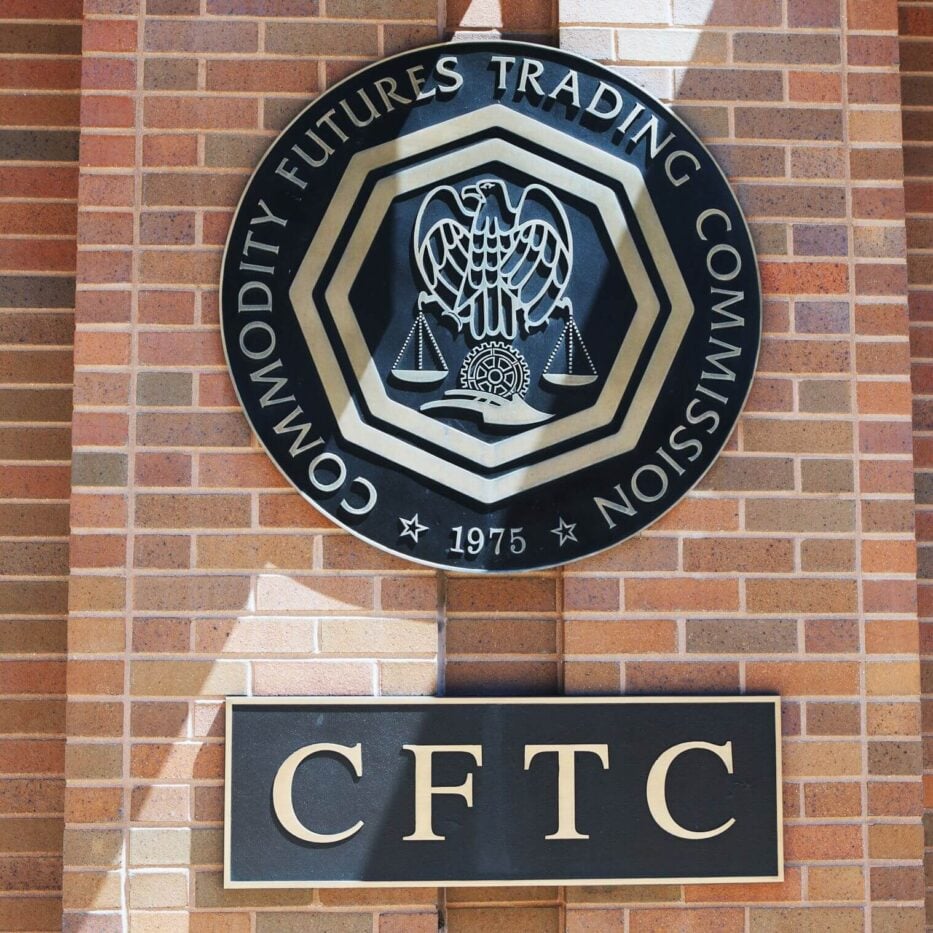
As institutional adoption expands across the crypto ecosystem, regulatory structure is also beginning to evolve. The SEC and CFTC recently formalized cooperation through a memorandum of understanding aimed at reducing oversight fragmentation. The agreement introduced joint staff meetings, shared enforcement data, and coordinated policy discussions across digital asset markets.
As these mechanisms developed, firms operating across securities and derivatives markets gained clearer compliance pathways. Platforms offering both token trading and crypto derivatives had long faced overlapping scrutiny. Through coordinated oversight, regulators now aim to streamline examinations and limit duplicative enforcement actions.
At the policy level, Congress continues debating broader frameworks such as the Digital Asset Market Clarity Act. Within this shifting environment, closer SEC–CFTC alignment suggests a gradual move toward structured crypto oversight rather than fragmented enforcement.
Final Summary
- Ethereum Layer-2 competition is shifting toward efficiency as networks streamline development and prioritize high-impact scalability upgrades.
- Solana is expanding its role in global payments as partnerships, stablecoins, and regulatory coordination deepen blockchain integration with traditional finance.
Source: https://ambcrypto.com/heres-what-happened-in-crypto-today-solana-partnership-layer-2-competition-more/