New SEC–CFTC crypto framework clarifies token status and DeFi exposure
The SEC and CFTC say most crypto assets aren’t securities, map out a token taxonomy and paths out of “investment contract” status, but shift enforcement toward DeFi interfaces.
- SEC and CFTC issue joint guidance stating that “most crypto assets are not themselves securities,” and create a formal token taxonomy for the U.S. market.
- The interpretation explains how non-security tokens can enter and later exit “investment contract” status, and explicitly addresses airdrops, protocol staking, mining and wrapped assets.
- Lawyers say the move delivers “the most significant regulatory clarity crypto has received in the US in over a decade,” but warn DeFi interfaces and governance remain exposed.
SEC says ‘most crypto assets are not securities’
The U.S. Securities and Exchange Commission has released long-awaited guidance on how federal securities laws apply to crypto assets, declaring that “most crypto assets are not themselves securities” while laying out a formal, multi-category framework for token classification in DeFI. In a joint interpretation with the Commodity Futures Trading Commission (CFTC), the agency says the move is meant to “draw clear lines in clear terms” after more than a decade of uncertainty for crypto builders and investors.
“This interpretation will provide market participants with a clear understanding of how the Commission treats crypto assets under federal securities laws,” SEC Chair Paul S. Atkins said, adding that it “acknowledges what the former administration refused to recognize – that most crypto assets are not themselves securities.” CFTC Chair Michael S. Selig echoed that message, saying “the wait is over” for American innovators who “have awaited clear guidance on the status of crypto assets under the federal securities and commodity laws.”
New token taxonomy and path out of ‘investment contract’ status
The guidance introduces a token taxonomy that distinguishes digital commodities, digital collectibles, digital tools, stablecoins and digital securities, setting out which categories fall outside securities treatment. It also clarifies how a “non-security crypto asset” can nonetheless become subject to an investment contract – and crucially, how it can later cease to be treated as such when the original issuer is no longer expected to provide “essential managerial efforts.”
Legal analysis from firms such as Aurum Law describes this as “something fundamentally new,” arguing that the SEC has, in practical terms, confirmed that “a large proportion of crypto assets” can exist as non-securities even if they were once distributed under securities-like arrangements. The guidance explicitly covers airdrops, protocol mining, protocol staking and wrapping, confirming that many such activities will not by themselves trigger securities status where the underlying token is otherwise non-security in nature.
DeFi interfaces, governance and global context
While the document answers long-standing questions about token status, it implicitly shifts attention to DeFi interfaces, governance and compliance at the application layer. Lawyers warn that front-ends, DAO treasuries and protocol-level decision-making will increasingly be where securities and commodities rules “bite,” particularly around disclosures, conflicts, and AML/CTF expectations.
Commentators frame the guidance as “the most significant regulatory clarity crypto has received in the US in over a decade,” but stress that enforcement risk is not going away – it is being redirected. At the same time, Europe and the UK are pushing ahead with MiCA and DAC8-style regimes, meaning global projects will still need to design around a patchwork of rules even as the U.S. takes a decisive step toward a clearer, more commodity-like treatment of much of the crypto asset class.


You May Also Like
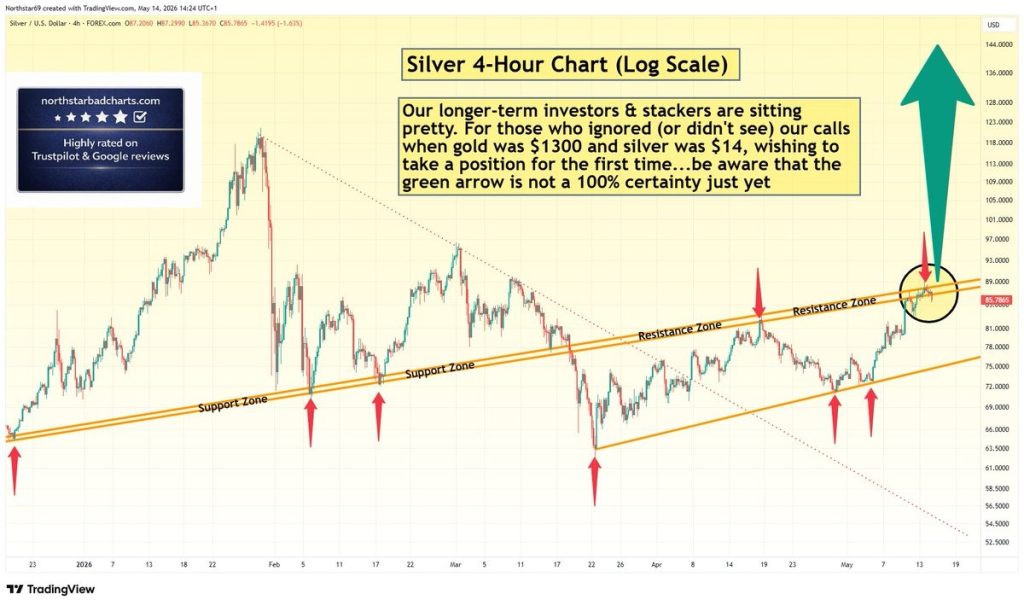
Silver Price Warning: Green Arrow Setup Is Not Confirmed – Wait for Clear Signal

Facebook spotlights African cinema in 6th ‘Made by Africa, loved by the world’ campaign