Australia Inflation Cools: February CPI Drops to 3.7% YoY, Easing Pressure on RBA
BitcoinWorld
Australia Inflation Cools: February CPI Drops to 3.7% YoY, Easing Pressure on RBA
Australia’s headline inflation rate has shown a welcome deceleration, with the Consumer Price Index (CPI) declining to 3.7% year-on-year in February 2025, according to data released by the Australian Bureau of Statistics. This figure came in slightly below market expectations of 3.8%, providing a crucial data point for the Reserve Bank of Australia’s ongoing battle against persistent price pressures. The result marks a continued retreat from the peak of the inflation cycle and signals a potential turning point for household budgets and monetary policy.
Australia Inflation A Detailed Breakdown of February’s CPI
The February 2025 CPI print of 3.7% represents a modest but meaningful step towards the RBA’s target band of 2-3%. Analysts immediately scrutinized the trimmed mean measure, a key indicator of underlying inflation. This core measure also showed signs of moderation, reinforcing the headline trend. The monthly indicator series, which provides a more timely snapshot, confirmed the disinflationary momentum observed in the final quarter of 2024.
Furthermore, a sectoral analysis reveals where price pressures are easing most significantly. Goods inflation, which surged during global supply chain disruptions, continues to normalize. Conversely, services inflation remains stickier, reflecting strong domestic wage growth and capacity constraints. This divergence presents a complex picture for policymakers who must balance different economic forces.
Economic Context and RBA Policy Implications
The February data arrives at a critical juncture for the Reserve Bank of Australia. The central bank has maintained a restrictive monetary policy stance through 2024, implementing a series of interest rate hikes to curb demand. Consequently, today’s softer inflation reading strengthens the case for a patient approach. Markets are now pricing in a reduced probability of further rate increases in the near term.
Governor Michele Bullock and the RBA Board have repeatedly emphasized their data-dependent framework. This latest CPI report provides tangible evidence that their policy is transmitting through the economy. However, officials remain cautious, noting that the journey back to the 2% target is likely to be uneven. They will require several more months of confirming data before considering any shift in stance.
Expert Analysis on the Inflation Trajectory
Leading economists from major financial institutions have weighed in on the report’s implications. “The disinflation process is firmly entrenched,” noted a senior analyst at a major bank. “The February numbers, while just one data point, align with our projection for a gradual return to target by late 2025.” These experts point to several contributing factors, including softer global commodity prices, improved supply chains, and the lagged effect of previous monetary tightening.
However, other analysts highlight persistent risks. Housing costs, driven by rents and construction, remain elevated. Insurance premiums and education fees are also rising briskly. These components are less sensitive to interest rates and could keep inflation above target for longer than desired. The RBA’s challenge is to navigate these conflicting signals without overtightening and triggering an unnecessary recession.
Impact on Households and the Broader Australian Economy
For Australian households, the easing inflation trend offers a glimmer of relief. Real wage growth, which turned positive in late 2024, is now more sustainable. Consumer confidence surveys may see a lift if households perceive the cost-of-living crisis is peaking. This psychological shift is crucial for supporting domestic consumption, a key pillar of the Australian economy.
The business sector is also watching closely. Lower inflation expectations can reduce pressure on input costs and help stabilize profit margins. It may also moderate wage demand from employees, easing one of the key drivers of services inflation. However, businesses reliant on consumer discretionary spending remain cautious, as high interest rates continue to weigh on mortgage holders and reduce disposable income.
Global Comparisons and Commodity Price Influences
Australia’s inflation trajectory is unfolding within a global context. Major advanced economies like the United States and the Eurozone are also experiencing disinflation, albeit at different paces. This synchronized global cooling reduces imported inflation pressures for Australia. The nation’s terms of trade, heavily influenced by iron ore and coal prices, remain a wildcard.
A significant downturn in key export commodity prices could dampen national income and government revenue. Conversely, another surge could rekindle domestic price pressures. The Australian dollar’s exchange rate will also play a role, influencing the cost of imported goods and services. The RBA’s models must account for these volatile external factors.
The Path Forward: Timelines and Market Expectations
Financial markets have adjusted their outlook based on the February CPI. The timeline for potential interest rate cuts has been brought forward slightly, though consensus still points to late 2025 or early 2026 for the first reduction. Bond yields have edged lower, reflecting reduced inflation risk premiums. The focus now shifts to the first-quarter 2025 CPI data, due for release in late April, which will provide a more comprehensive assessment.
That quarterly report will include a full update on the critical trimmed mean and weighted median measures. It will also feature detailed data on individual consumption groups. Policymakers will dissect that information to determine if the disinflation trend is broad-based or narrowly focused. The RBA’s updated economic forecasts in their May Statement on Monetary Policy will formalize this new assessment.
Conclusion
Australia’s February 2025 CPI inflation rate of 3.7% year-on-year confirms the economy is on a disinflationary path. This data point, coming in below expectations, provides the Reserve Bank of Australia with valuable breathing room. While challenges remain, particularly in the services sector, the overall direction is encouraging for households, businesses, and policymakers. The journey back to the 2-3% target band continues, with the RBA likely to maintain a watchful, patient stance in the months ahead as more data confirms the trend.
FAQs
Q1: What does a 3.7% CPI inflation rate mean for Australian consumers?
It means the average price level for a basket of goods and services is 3.7% higher than it was in February 2024. While still above the RBA’s target, the deceleration suggests the pace of price increases is slowing, which can ease cost-of-living pressures over time.
Q2: How does this inflation data affect future RBA interest rate decisions?
The lower-than-expected figure reduces the immediate pressure for the RBA to raise interest rates further. It supports a “hold steady” approach, allowing previous rate hikes more time to work through the economy. The focus shifts to monitoring whether the disinflation trend is sustained.
Q3: What is the difference between headline CPI and trimmed mean inflation?
Headline CPI measures the total change in consumer prices. The trimmed mean is a core inflation measure that excludes the most volatile price movements (the extreme rises and falls) to better identify the underlying, persistent trend in inflation, which the RBA watches closely.
Q4: Which categories are still driving high inflation in Australia?
Sticky areas include housing costs (rents, new dwelling construction), insurance, and education. These services are often less sensitive to interest rates and global factors, making them slower to respond to monetary policy.
Q5: When will the next major Australian inflation data be released?
The next critical release is the full Consumer Price Index, Australia report for the March 2025 quarter, scheduled for release by the Australian Bureau of Statistics in late April 2025. This provides a more comprehensive quarterly snapshot.
This post Australia Inflation Cools: February CPI Drops to 3.7% YoY, Easing Pressure on RBA first appeared on BitcoinWorld.


You May Also Like

GOP lawmaker sues ex-wife who accused him of throwing boiling water on her
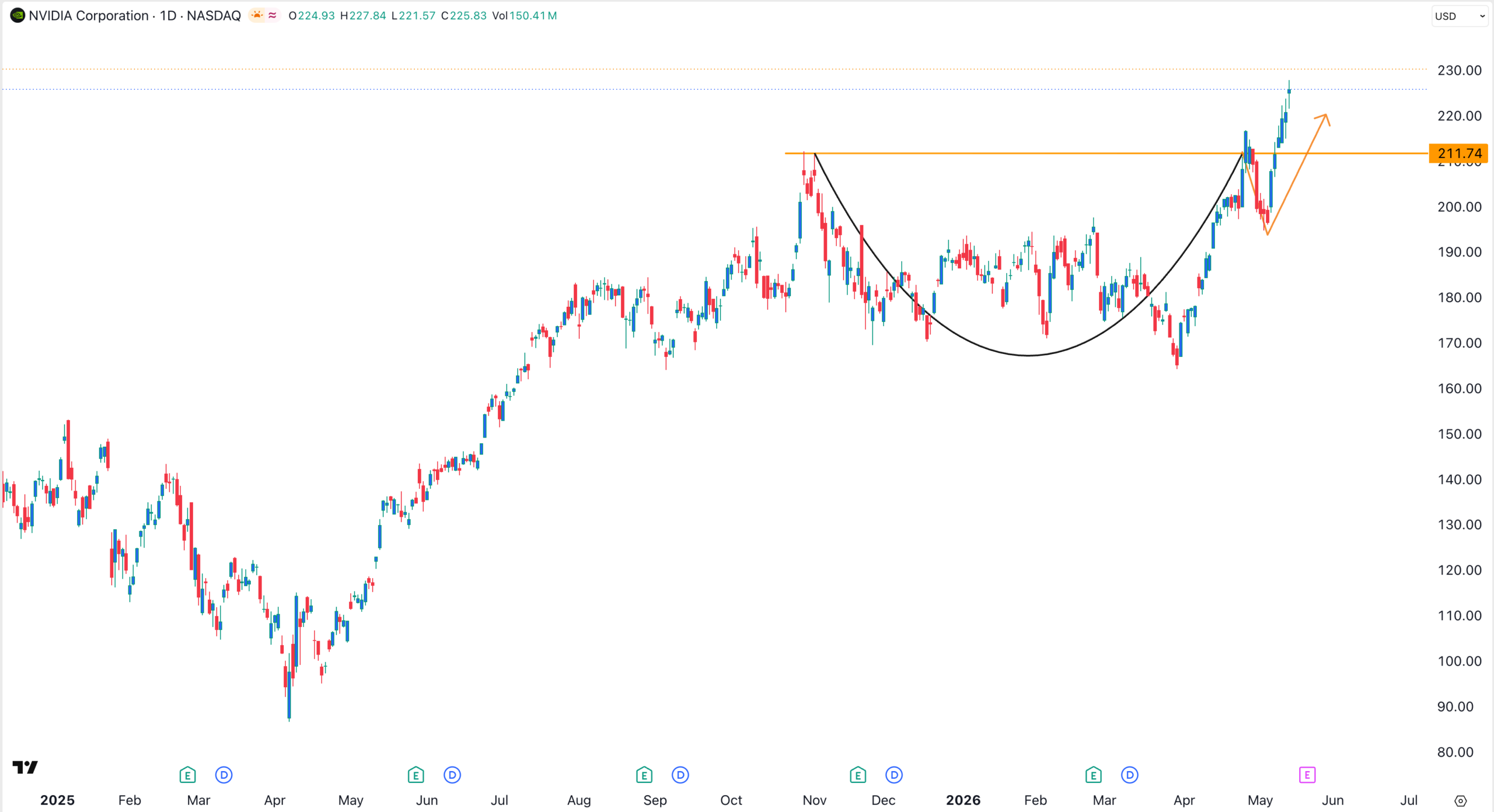
NVIDIA Stock Forecast as the US Clears H200 Chips Sales to China