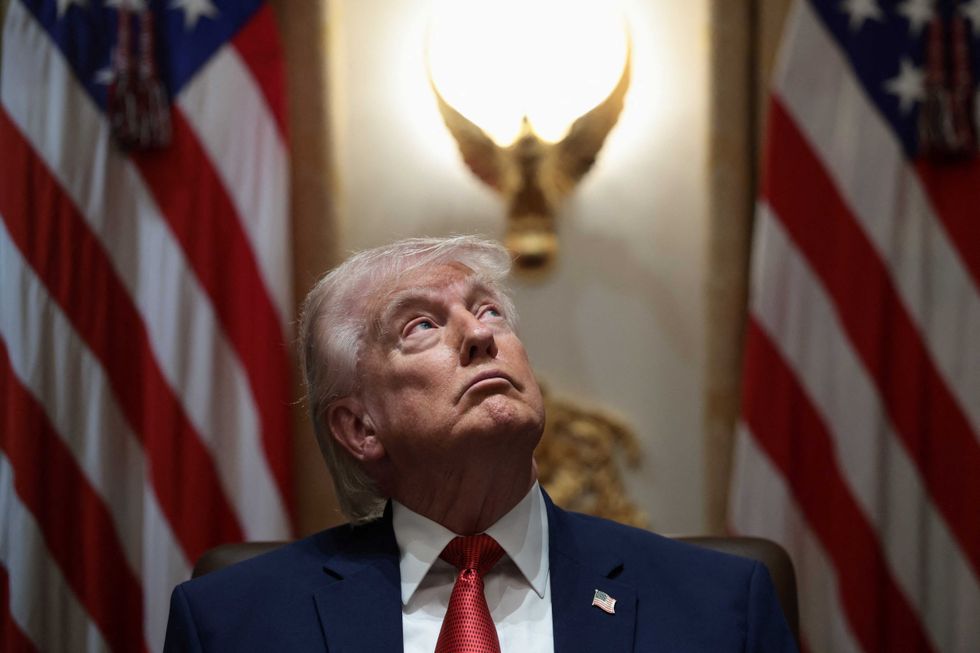
Trump Iran Deal: Explosive Claim That Iranian Negotiators Are ‘Begging’ for Agreement Analyzed
BitcoinWorld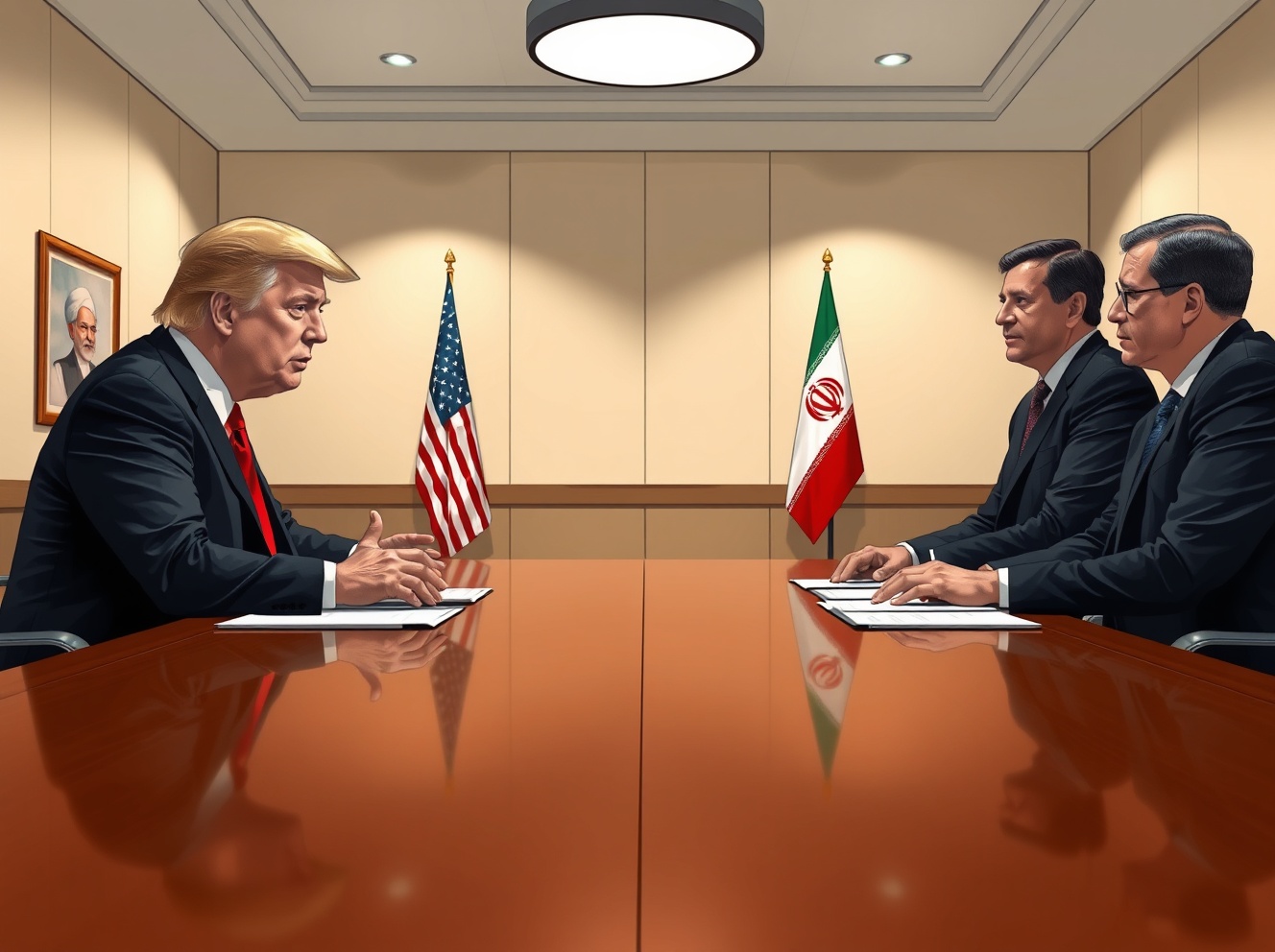
Trump Iran Deal: Explosive Claim That Iranian Negotiators Are ‘Begging’ for Agreement Analyzed
WASHINGTON, D.C., March 2025 – Former President Donald Trump’s recent assertion that Iranian negotiators are ‘begging’ to make a deal has reignited global debate about the future of U.S.-Iran relations. This Trump Iran deal comment, made during a campaign rally in Ohio, comes amid renewed diplomatic efforts to address Iran’s nuclear program and regional activities. The statement warrants careful examination within the complex historical context of negotiations between Washington and Tehran.
Trump Iran Deal Claim and Diplomatic Context
President Trump’s characterization of Iranian negotiators as ‘begging’ represents a significant development in ongoing diplomatic discourse. The comment follows months of indirect talks facilitated by European intermediaries. Historically, the 2015 Joint Comprehensive Plan of Action (JCPOA) established a framework that Trump abandoned in 2018. Subsequently, Iran gradually resumed nuclear activities prohibited under the original agreement.
Current negotiations reportedly address several critical issues:
- Uranium enrichment levels: Iran’s current stockpile of 60% enriched uranium
- International monitoring: Access for IAEA inspectors to nuclear facilities
- Regional security: Iran’s missile program and proxy activities
- Sanctions relief: Economic measures affecting Iran’s oil exports and banking
Diplomatic sources indicate that negotiations have intensified since late 2024. However, Iranian officials publicly maintain a firm negotiating position. Foreign Ministry spokesperson Nasser Kanaani recently stated that Iran seeks ‘a balanced agreement that respects our rights.’ This public stance contrasts with Trump’s characterization of desperate Iranian negotiators.
Historical Framework of US-Iran Negotiations
The current diplomatic situation represents the latest chapter in decades of complex relations. The table below outlines key developments since the original nuclear agreement:
| Year | Development | Impact |
|---|---|---|
| 2015 | JCPOA signed by Obama administration | Comprehensive restrictions on Iran’s nuclear program |
| 2018 | Trump withdraws from JCPOA | Renewed sanctions and increased tensions |
| 2019-2023 | Gradual Iranian nuclear advancement | Reduced breakout time to potential weapon |
| 2024 | Renewed indirect negotiations | Exploratory talks through European channels |
| 2025 | Current diplomatic phase | Heightened public statements from both sides |
Experts note that negotiation dynamics have shifted substantially since 2018. Dr. Suzanne Maloney, Vice President at the Brookings Institution, explains, ‘The regional landscape has transformed with normalization agreements between Israel and Arab states. This changes Iran’s strategic calculations and potentially its negotiating flexibility.’
Economic Pressures and Negotiating Leverage
Economic factors significantly influence current diplomatic positions. Iran’s economy has faced substantial pressure from international sanctions. The country’s oil exports have declined from approximately 2.5 million barrels per day in 2017 to under 1 million barrels daily in recent years. Meanwhile, inflation has remained persistently high, affecting living standards.
These economic challenges potentially increase Iran’s motivation for sanctions relief. However, analysts caution against interpreting economic pressure as desperation. ‘Iran has developed considerable resilience through unofficial trade networks and regional partnerships,’ notes energy analyst Bijan Khajehpour. ‘While economic factors matter, they don’t necessarily translate to begging at the negotiating table.’
Regional Security Considerations
The Middle East security environment adds complexity to negotiations. Iran maintains extensive proxy networks across the region, including:
- Hezbollah in Lebanon with substantial missile capabilities
- Houthi forces in Yemen conducting Red Sea operations
- Various militia groups in Iraq and Syria
These relationships provide Iran with regional influence but also represent potential negotiation points. U.S. officials have consistently demanded constraints on Iran’s regional activities as part of any comprehensive agreement. Regional allies, particularly Israel and Gulf states, monitor developments closely. Their security concerns significantly influence Washington’s negotiating position.
Former CENTCOM commander General Joseph Votel observes, ‘Any sustainable agreement must address both nuclear and conventional threats. The regional dimension cannot be separated from the nuclear file.’ This interconnected approach complicates negotiations, as it expands the range of issues requiring resolution.
Expert Analysis of Negotiation Dynamics
Diplomatic experts approach Trump’s characterization with measured skepticism. Dr. William Burns, former CIA Director and seasoned diplomat, notes, ‘In high-stakes negotiations, public statements often serve tactical purposes rather than reflecting actual bargaining positions.’ This perspective suggests that Trump’s comments might represent negotiation posturing rather than factual reporting.
International relations scholars identify several possible interpretations:
- Negotiation tactic: Applying public pressure to improve bargaining position
- Domestic messaging: Addressing political constituencies ahead of elections
- Signaling flexibility: Indicating potential openness to agreement
- Testing responses: Gauging reactions from various stakeholders
Dr. Ariane Tabatabai of the German Marshall Fund explains, ‘The reality of complex negotiations rarely matches polarized public rhetoric. What appears as ‘begging’ in political speech might represent standard diplomatic engagement behind closed doors.’ This professional assessment encourages caution when interpreting dramatic public statements.
Verification Challenges and Credible Sources
Assessing the accuracy of claims about negotiation positions presents inherent difficulties. Diplomatic discussions typically occur privately, with participants bound by confidentiality. Public statements often reflect strategic communication rather than transparent reporting. Journalists covering the negotiations rely on multiple anonymous sources to verify developments.
The International Crisis Group, which maintains extensive contacts with officials from all parties, reports that ‘negotiations have intensified but remain challenging on core issues.’ This measured assessment contrasts with more dramatic characterizations. Such discrepancies highlight the importance of consulting multiple credible sources when evaluating diplomatic claims.
Potential Impacts and Future Scenarios
The trajectory of U.S.-Iran relations carries significant implications for global security and regional stability. Several potential scenarios merit consideration:
Comprehensive agreement: A renewed nuclear deal with additional regional security provisions could reduce tensions and establish verification mechanisms. This outcome would require substantial concessions from both sides but might stabilize the region.
Limited understanding: Partial agreements addressing specific concerns, such as uranium enrichment caps or prisoner exchanges, could build confidence gradually. Such incremental progress might precede more comprehensive arrangements.
Continued escalation: Failed negotiations could lead to increased regional tensions, potential military incidents, and accelerated nuclear advancement. This scenario presents the greatest security risks for all parties.
Energy markets closely monitor developments, as any agreement would likely affect global oil supplies. Financial institutions also track potential sanctions relief that could reconnect Iran to international banking systems. These economic dimensions add complexity to the diplomatic calculus.
Conclusion
President Trump’s claim about Iranian negotiators ‘begging’ for a deal represents a notable moment in ongoing diplomatic efforts. However, experienced analysts caution against taking dramatic characterizations at face value. The Trump Iran deal negotiations occur within a complex historical, economic, and security context that shapes both parties’ positions. While economic pressures and regional dynamics create incentives for agreement, substantial differences remain on core issues. The coming months will reveal whether current diplomatic activity leads to breakthrough or breakdown. Regardless of outcome, the U.S.-Iran relationship will continue to significantly influence Middle Eastern stability and global nonproliferation efforts.
FAQs
Q1: What exactly did President Trump claim about Iranian negotiators?
During a March 2025 campaign event, former President Donald Trump stated that Iranian negotiators were ‘begging’ to make a deal with the United States. He characterized their approach as desperate and suggested they sought agreement more urgently than U.S. officials.
Q2: How have Iranian officials responded to these claims?
Iranian Foreign Ministry officials have denied any desperate negotiating posture. Spokesperson Nasser Kanaani stated that Iran seeks ‘mutual respect and balanced agreements’ rather than concessions. Other officials have characterized Trump’s comments as political rhetoric.
Q3: What are the main issues in current U.S.-Iran negotiations?
Key issues include limits on Iran’s uranium enrichment, monitoring of nuclear facilities, constraints on ballistic missile development, Iran’s regional activities through proxy groups, and the extent of sanctions relief the United States would provide.
Q4: How does the current situation differ from the 2015 nuclear deal?
The regional context has changed significantly with normalization between Israel and several Arab states. Iran’s nuclear program has advanced beyond 2015 limits, and the United States seeks additional restrictions on missiles and regional activities not included in the original agreement.
Q5: What would a new agreement mean for regional stability?
A comprehensive agreement could reduce immediate tensions and establish verification mechanisms. However, regional allies like Israel and Saudi Arabia have expressed concerns that any deal must adequately address security threats beyond the nuclear program alone.
This post Trump Iran Deal: Explosive Claim That Iranian Negotiators Are ‘Begging’ for Agreement Analyzed first appeared on BitcoinWorld.


You May Also Like

edgeX (EDGE) Surges 44.9% to All-Time High: Volume Spike Analysis

Governor gives thousands of prisoners commutation hope for first time since 1990s