

How Grace AI Labs plans to reduce customer service costs in 20 African markets
It is 2 a.m. on a long weekend in Lagos. A woman’s voice cracks over the phone; fraudsters have just drained her card. She has been on hold for seventeen minutes, listening to the same robotic menu loop for the third time. “Press one for card issues… press two for…” She hangs up.
The money is gone. The bank’s customer-care line won’t transfer her to an agent who can address her concerns; she resigns herself to fate. This is the daily reality for millions of Nigerians trapped in broken call centres and scripted chatbots.
Divine Matthew has lived this exact moment not once, but dozens of times. “I stopped calling customer care altogether,” he says. Lengthy IVR flows, repetitive chatbot prompts, and 15-to-20-minute waits solve nothing. The frustration that once cost him sleep and money becomes the spark for something larger.
Today, as founder and CEO of Grace AI Labs, the young Nigerian entrepreneur is building the agent that would have saved that woman’s night and millions like her across the continent.
Matthew’s journey begins with ProductPadi, a scrappy AI companion he created for product managers. The tool generates user stories, acceptance criteria, and personalised workflows in seconds. It works beautifully.
Yet something gnaws at him. “Early AI deployments were largely wrappers,” he recalls. “They did not speed up business processes; they just dressed up the same old problems.” He watches companies celebrate chatbots that still trap customers in scripted loops. He knows the real fix has to be deeper: autonomous, multi-agent systems that can think, triage, escalate, and act.
To help scale this new B2B vision, his biggest advantage comes from an unexpected LinkedIn message.
Divine reaches out to Dan Walkovitz, a Silicon Valley veteran with 45 years of experience, a Stanford MBA, and eight tech companies under his belt. There is no pitch, just a genuine request to learn.
Walkovitz replies the next day; they get talking, and when he shows Divine videos from his most recent trip to Nigeria, he offers to edit them for him free of charge. The small act of generosity grows into mentorship, then friendship, then partnership.
That mentor eventually becomes Grace AI Labs’ board chairman and early investor.
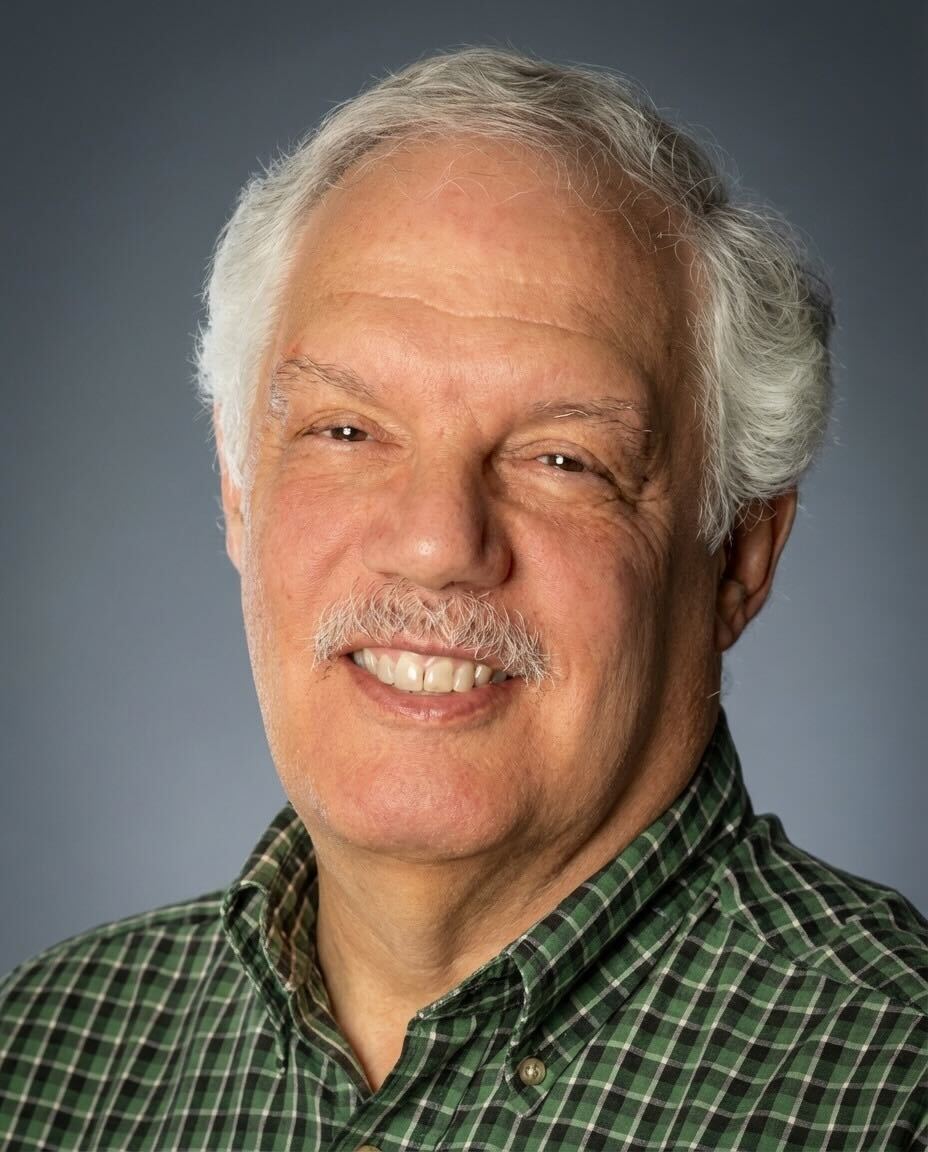 Dan Walkovitz, Grace AI Labs’ board chairman
“Value first, money later,” Divine says. That same principle now guides every client conversation, laying the foundation for a product architecture built entirely around delivering immediate, tangible results.
How Grace AI Labs reduces customer service costs
Enterprises save on the obvious costs. One 24/7 contact-centre seat runs ₦8–10 million a year. Grace AI slashes that number dramatically while delivering faster, more consistent service.
The timing is perfect; the Central Bank of Nigeria’s recent March 2026 directive now makes AI-powered AML and fraud systems mandatory for every financial institution. Banks have 18 months to comply or face consequences.
While traditional systems drown in false positives, Grace AI’s workers triage alerts, investigate across systems, draft CBN-compliant Suspicious Activity Reports, and freeze cards in seconds.
But the real story of Grace AI Labs is not benchmarks. It is the human and financial cost Matthew refuses to accept. Nigerian businesses lose billions of Naira every year to poor customer service. Card theft, loan applications that take days, and restaurant orders lost in the noise between waiter and kitchen. Matthew keeps returning to the same image: a customer in panic, unable to reach help when it matters most.
“Always-on AI agents could prevent greater financial losses by enabling instant dispute filing,” he insists. His agents do exactly that.
They connect to existing phone numbers, WhatsApp, and backend systems without forcing companies to rip out their infrastructure. A fraud alert triggers in seconds. A voice agent, trained on hours of local audio, understands Nigerian code-switching, Pidgin inflexions, and regional accents that typically trip up foreign models.
If the issue is complex, the agent hands it off to a human specialist with all the context already prepared. No more “Your call is important to us.”
The technical grind has been brutal. Training agents to handle informal Nigerian speech rather than forcing formal English required partnering with local language firms and building custom voice-cloning capabilities. “Voice is the most intricate area to get right,” Matthew admits.
Yet the payoff is already visible. Two banks are piloting the system for AML compliance, fraud detection, and in-house contact centres.
 A customer service center
When a customer calls about a disputed transaction, the agent verifies, reverses the charge, and updates the core banking system, all while the customer stays on the line. In hospitality pilots, diners speak their orders into a WhatsApp chat or voice call; the agent routes substitutions, sends the ticket straight to the kitchen, and tells the waiter exactly which table needs service: in minutes, not hours.
Matthew’s architecture is deliberately modular: separate system agents, chat agents, and voice agents working in concert. The result feels less like a chatbot and more like a digital colleague who never sleeps.
As he looks to the future, Matthew is also thoughtful about the human impact of his creation. “AI replaces processes, not people,” he says. Workers, he urges, must learn to use these tools and move from repetitive tasks to higher-value work in HR, accounting, and design. Those who refuse will be left behind. It is tough love delivered with genuine care.
Also read: PewBeam: All you should know about Dara Sobaloju’s scripture rendering AI app
Eyeing 20 African markets in 36 months
Now the vision widens. Grace AI Labs is not just building a Nigerian company. “We’re building an African AI company that happens to start in Lagos,” Matthew declares. The same customer-service pain repeats in Accra, Nairobi, and Johannesburg.
 The Grace AI Lab team
The target is clear: 20 African countries within 36 months, adding French and Swahili support as it moves into Francophone West Africa and East Africa, while replicating locally trained agent instances for each market, preserving cultural nuance and linguistic authenticity.
In the long term, it aims to become the operating system for business operations across the continent.
The post How Grace AI Labs plans to reduce customer service costs in 20 African markets first appeared on Technext.
You May Also Like

China Blocks Nvidia’s RTX Pro 6000D as Local Chips Rise

Aave DAO to Shut Down 50% of L2s While Doubling Down on GHO


