Bolivia’s Central Bank has signed a memorandum of understanding with El Salvador’s National Commission of Digital Assets to promote crypto development, marking a dramatic policy reversal for a nation that previously banned virtual assets and now calls them a “ reliable alternative ” to traditional currencies. The cooperation agreement enables mutual information exchange and knowledge sharing on blockchain intelligence tools, risk analysis, and regulatory experiences between both institutions. Source: Press Release Bolivia’s Virtual Asset Usage Explodes 532% in One Year Bolivia’s virtual asset usage surged from $46.5 million to $294 million between June 2024 and June 2025 following regulatory changes. Source: Reuters The partnership comes into effect immediately for an indefinite period. This positions Bolivia to benefit from El Salvador’s pioneering regulatory framework and practical experience as the world’s first country to adopt Bitcoin as legal tender. El Salvador’s CNAD has become a fundamental actor in the global digital assets ecosystem. Bolivia’s embrace of cryptocurrency contrasts sharply with its historical stance, having previously maintained strict prohibitions on virtual assets before implementing Board Resolution 082/2024 in June 2024. The policy shift enables legal use of virtual assets for cross-border transactions and e-commerce payments. The agreement consolidates progress made in establishing digital assets as viable alternatives for families and small entrepreneurs. At the same time, Bolivia’s Central Bank commits to developing policies that modernize the financial system and deepen financial inclusion through regulated cryptocurrency ecosystems. El Salvador’s experience provides valuable guidance despite recent International Monetary Fund restrictions that have capped the country’s Bitcoin purchases and mandated privatization of the state-run Chivo wallet by July 2025. Bolivia’s Cryptocurrency Revolution Gains Momentum Earlier this year, the Central Bank of Bolivia authorized state oil company YPFB to use cryptocurrency for purchasing crude oil and diesel from international vendors in March 2025. They aimed to address foreign currency shortages that created fuel supply disruptions across the country. President Luis Arce’s cabinet granted YPFB permission to conduct fuel import deals using either USD or cryptocurrency, with Bolivia requiring at least $60 million weekly for fuel imports. The decree instructs YPFB to make budgetary adjustments covering financial costs within applicable regulations. Bolivia’s cryptocurrency adoption has accelerated rapidly, with virtual asset transactions exceeding 1.1 million from July to September 2024 , compared to 932,000 in the six months before then. Six financial institutions began operating with virtual assets, reporting 40% growth in operations between July and August. The Central Bank launched educational initiatives, conducting over 33 workshops nationwide, reaching more than 3,000 participants to inform the public about virtual asset characteristics and risks. The legal framework enables Bolivians to use cryptocurrency for cross-border transactions and e-commerce payments. The partnership with El Salvador provides technical expertise for developing secure and regulated cryptocurrency ecosystems. Source: Press Release Bolivia joins a growing number of countries using cryptocurrency for international trade, particularly those seeking alternatives to traditional banking systems amid sanctions or political tensions. El Salvador’s Bitcoin Model Faces IMF Constraints El Salvador maintains approximately 6,244 Bitcoin worth $742 million despite IMF loan agreement restrictions preventing new government purchases since February 2025. The $1.4 billion loan program requires the country to maintain unchanged Bitcoin holdings and privatize the Chivo wallet. President Nayib Bukele’s previous claims of daily Bitcoin purchases have been contradicted by IMF documentation confirming no new acquisitions since the loan agreement. On-chain activity showing Bitcoin movements between wallets represents internal transfers rather than fresh purchases. The IMF praised El Salvador’s updated Bitcoin policy for reducing fiscal risk and strengthening transparency, noting these steps help stabilize inflation and restore macroeconomic stability. However, Bitcoin is no longer considered mandatory legal tender under the agreement. ⚠️ El Salvador’s Bitcoin experiment appears to be faltering under the weight of an IMF loan agreement and declining public engagement. #IMF #ElSalvador https://t.co/65lADRixOH — Cryptonews.com (@cryptonews) July 26, 2025 El Salvador’s CNAD has consolidated its position as a regional leader in cryptocurrency regulation, promoting innovation, security, and regulatory compliance throughout the digital assets sector. The country’s regulatory framework remains among the most developed and advanced in promoting virtual assets globally. The My First Bitcoin organization reported that government-backed education and adoption efforts have stalled since the IMF deal , with declining public engagement in cryptocurrency learning programs. The shift has raised questions about the long-term viability of El Salvador’s original Bitcoin vision.Bolivia’s Central Bank has signed a memorandum of understanding with El Salvador’s National Commission of Digital Assets to promote crypto development, marking a dramatic policy reversal for a nation that previously banned virtual assets and now calls them a “ reliable alternative ” to traditional currencies. The cooperation agreement enables mutual information exchange and knowledge sharing on blockchain intelligence tools, risk analysis, and regulatory experiences between both institutions. Source: Press Release Bolivia’s Virtual Asset Usage Explodes 532% in One Year Bolivia’s virtual asset usage surged from $46.5 million to $294 million between June 2024 and June 2025 following regulatory changes. Source: Reuters The partnership comes into effect immediately for an indefinite period. This positions Bolivia to benefit from El Salvador’s pioneering regulatory framework and practical experience as the world’s first country to adopt Bitcoin as legal tender. El Salvador’s CNAD has become a fundamental actor in the global digital assets ecosystem. Bolivia’s embrace of cryptocurrency contrasts sharply with its historical stance, having previously maintained strict prohibitions on virtual assets before implementing Board Resolution 082/2024 in June 2024. The policy shift enables legal use of virtual assets for cross-border transactions and e-commerce payments. The agreement consolidates progress made in establishing digital assets as viable alternatives for families and small entrepreneurs. At the same time, Bolivia’s Central Bank commits to developing policies that modernize the financial system and deepen financial inclusion through regulated cryptocurrency ecosystems. El Salvador’s experience provides valuable guidance despite recent International Monetary Fund restrictions that have capped the country’s Bitcoin purchases and mandated privatization of the state-run Chivo wallet by July 2025. Bolivia’s Cryptocurrency Revolution Gains Momentum Earlier this year, the Central Bank of Bolivia authorized state oil company YPFB to use cryptocurrency for purchasing crude oil and diesel from international vendors in March 2025. They aimed to address foreign currency shortages that created fuel supply disruptions across the country. President Luis Arce’s cabinet granted YPFB permission to conduct fuel import deals using either USD or cryptocurrency, with Bolivia requiring at least $60 million weekly for fuel imports. The decree instructs YPFB to make budgetary adjustments covering financial costs within applicable regulations. Bolivia’s cryptocurrency adoption has accelerated rapidly, with virtual asset transactions exceeding 1.1 million from July to September 2024 , compared to 932,000 in the six months before then. Six financial institutions began operating with virtual assets, reporting 40% growth in operations between July and August. The Central Bank launched educational initiatives, conducting over 33 workshops nationwide, reaching more than 3,000 participants to inform the public about virtual asset characteristics and risks. The legal framework enables Bolivians to use cryptocurrency for cross-border transactions and e-commerce payments. The partnership with El Salvador provides technical expertise for developing secure and regulated cryptocurrency ecosystems. Source: Press Release Bolivia joins a growing number of countries using cryptocurrency for international trade, particularly those seeking alternatives to traditional banking systems amid sanctions or political tensions. El Salvador’s Bitcoin Model Faces IMF Constraints El Salvador maintains approximately 6,244 Bitcoin worth $742 million despite IMF loan agreement restrictions preventing new government purchases since February 2025. The $1.4 billion loan program requires the country to maintain unchanged Bitcoin holdings and privatize the Chivo wallet. President Nayib Bukele’s previous claims of daily Bitcoin purchases have been contradicted by IMF documentation confirming no new acquisitions since the loan agreement. On-chain activity showing Bitcoin movements between wallets represents internal transfers rather than fresh purchases. The IMF praised El Salvador’s updated Bitcoin policy for reducing fiscal risk and strengthening transparency, noting these steps help stabilize inflation and restore macroeconomic stability. However, Bitcoin is no longer considered mandatory legal tender under the agreement. ⚠️ El Salvador’s Bitcoin experiment appears to be faltering under the weight of an IMF loan agreement and declining public engagement. #IMF #ElSalvador https://t.co/65lADRixOH — Cryptonews.com (@cryptonews) July 26, 2025 El Salvador’s CNAD has consolidated its position as a regional leader in cryptocurrency regulation, promoting innovation, security, and regulatory compliance throughout the digital assets sector. The country’s regulatory framework remains among the most developed and advanced in promoting virtual assets globally. The My First Bitcoin organization reported that government-backed education and adoption efforts have stalled since the IMF deal , with declining public engagement in cryptocurrency learning programs. The shift has raised questions about the long-term viability of El Salvador’s original Bitcoin vision.

Bolivia Calls Crypto ‘Reliable Alternative’ in New El Salvador Partnership Deal

2025/07/31 17:17
4 min read
For feedback or concerns regarding this content, please contact us at crypto.news@mexc.com

Bolivia’s Central Bank has signed a memorandum of understanding with El Salvador’s National Commission of Digital Assets to promote crypto development, marking a dramatic policy reversal for a nation that previously banned virtual assets and now calls them a “reliable alternative” to traditional currencies.

The cooperation agreement enables mutual information exchange and knowledge sharing on blockchain intelligence tools, risk analysis, and regulatory experiences between both institutions.

Bolivia Calls Crypto 'Reliable Alternative' in New El Salvador Partnership DealSource: Press Release

Bolivia’s Virtual Asset Usage Explodes 532% in One Year

Bolivia’s virtual asset usage surged from $46.5 million to $294 million between June 2024 and June 2025 following regulatory changes.

Bolivia Calls Crypto 'Reliable Alternative' in New El Salvador Partnership DealSource: Reuters

The partnership comes into effect immediately for an indefinite period. This positions Bolivia to benefit from El Salvador’s pioneering regulatory framework and practical experience as the world’s first country to adopt Bitcoin as legal tender.

El Salvador’s CNAD has become a fundamental actor in the global digital assets ecosystem.

Bolivia’s embrace of cryptocurrency contrasts sharply with its historical stance, having previously maintained strict prohibitions on virtual assets before implementing Board Resolution 082/2024 in June 2024.

The policy shift enables legal use of virtual assets for cross-border transactions and e-commerce payments.

The agreement consolidates progress made in establishing digital assets as viable alternatives for families and small entrepreneurs.

At the same time, Bolivia’s Central Bank commits to developing policies that modernize the financial system and deepen financial inclusion through regulated cryptocurrency ecosystems.

El Salvador’s experience provides valuable guidance despite recent International Monetary Fund restrictions that have capped the country’s Bitcoin purchases and mandated privatization of the state-run Chivo wallet by July 2025.

Bolivia’s Cryptocurrency Revolution Gains Momentum

Earlier this year, the Central Bank of Bolivia authorized state oil company YPFB to use cryptocurrency for purchasing crude oil and diesel from international vendors in March 2025.

They aimed to address foreign currency shortages that created fuel supply disruptions across the country.

President Luis Arce’s cabinet granted YPFB permission to conduct fuel import deals using either USD or cryptocurrency, with Bolivia requiring at least $60 million weekly for fuel imports.

The decree instructs YPFB to make budgetary adjustments covering financial costs within applicable regulations.

Bolivia’s cryptocurrency adoption has accelerated rapidly, with virtual asset transactions exceeding 1.1 million from July to September 2024, compared to 932,000 in the six months before then.

Six financial institutions began operating with virtual assets, reporting 40% growth in operations between July and August.

The Central Bank launched educational initiatives, conducting over 33 workshops nationwide, reaching more than 3,000 participants to inform the public about virtual asset characteristics and risks.

The legal framework enables Bolivians to use cryptocurrency for cross-border transactions and e-commerce payments.

The partnership with El Salvador provides technical expertise for developing secure and regulated cryptocurrency ecosystems.

Bolivia Calls Crypto 'Reliable Alternative' in New El Salvador Partnership DealSource: Press Release

Bolivia joins a growing number of countries using cryptocurrency for international trade, particularly those seeking alternatives to traditional banking systems amid sanctions or political tensions.

El Salvador’s Bitcoin Model Faces IMF Constraints

El Salvador maintains approximately 6,244 Bitcoin worth $742 million despite IMF loan agreement restrictions preventing new government purchases since February 2025.

The $1.4 billion loan program requires the country to maintain unchanged Bitcoin holdings and privatize the Chivo wallet.

President Nayib Bukele’s previous claims of daily Bitcoin purchases have been contradicted by IMF documentation confirming no new acquisitions since the loan agreement.

On-chain activity showing Bitcoin movements between wallets represents internal transfers rather than fresh purchases.

The IMF praised El Salvador’s updated Bitcoin policy for reducing fiscal risk and strengthening transparency, noting these steps help stabilize inflation and restore macroeconomic stability.

However, Bitcoin is no longer considered mandatory legal tender under the agreement.

El Salvador’s CNAD has consolidated its position as a regional leader in cryptocurrency regulation, promoting innovation, security, and regulatory compliance throughout the digital assets sector.

The country’s regulatory framework remains among the most developed and advanced in promoting virtual assets globally.

The My First Bitcoin organization reported that government-backed education and adoption efforts have stalled since the IMF deal, with declining public engagement in cryptocurrency learning programs.

The shift has raised questions about the long-term viability of El Salvador’s original Bitcoin vision.

Market Opportunity
Threshold Logo
Threshold Price(T)
$0.006527
$0.006527$0.006527
+0.29%
USD
Threshold (T) Live Price Chart
Disclaimer: The articles reposted on this site are sourced from public platforms and are provided for informational purposes only. They do not necessarily reflect the views of MEXC. All rights remain with the original authors. If you believe any content infringes on third-party rights, please contact crypto.news@mexc.com for removal. MEXC makes no guarantees regarding the accuracy, completeness, or timeliness of the content and is not responsible for any actions taken based on the information provided. The content does not constitute financial, legal, or other professional advice, nor should it be considered a recommendation or endorsement by MEXC.

You May Also Like

CEO Sandeep Nailwal Shared Highlights About RWA on Polygon

CEO Sandeep Nailwal Shared Highlights About RWA on Polygon

The post CEO Sandeep Nailwal Shared Highlights About RWA on Polygon appeared on BitcoinEthereumNews.com. Polygon CEO Sandeep Nailwal highlighted Polygon’s lead in global bonds, Spiko US T-Bill, and Spiko Euro T-Bill. Polygon published an X post to share that its roadmap to GigaGas was still scaling. Sentiments around POL price were last seen to be bearish. Polygon CEO Sandeep Nailwal shared key pointers from the Dune and RWA.xyz report. These pertain to highlights about RWA on Polygon. Simultaneously, Polygon underlined its roadmap towards GigaGas. Sentiments around POL price were last seen fumbling under bearish emotions. Polygon CEO Sandeep Nailwal on Polygon RWA CEO Sandeep Nailwal highlighted three key points from the Dune and RWA.xyz report. The Chief Executive of Polygon maintained that Polygon PoS was hosting RWA TVL worth $1.13 billion across 269 assets plus 2,900 holders. Nailwal confirmed from the report that RWA was happening on Polygon. The Dune and https://t.co/W6WSFlHoQF report on RWA is out and it shows that RWA is happening on Polygon. Here are a few highlights: – Leading in Global Bonds: Polygon holds 62% share of tokenized global bonds (driven by Spiko’s euro MMF and Cashlink euro issues) – Spiko U.S.… — Sandeep | CEO, Polygon Foundation (※,※) (@sandeepnailwal) September 17, 2025 The X post published by Polygon CEO Sandeep Nailwal underlined that the ecosystem was leading in global bonds by holding a 62% share of tokenized global bonds. He further highlighted that Polygon was leading with Spiko US T-Bill at approximately 29% share of TVL along with Ethereum, adding that the ecosystem had more than 50% share in the number of holders. Finally, Sandeep highlighted from the report that there was a strong adoption for Spiko Euro T-Bill with 38% share of TVL. He added that 68% of returns were on Polygon across all the chains. Polygon Roadmap to GigaGas In a different update from Polygon, the community…
Share
BitcoinEthereumNews2025/09/18 01:10
Velo protocol Integrates SumPlus to Power AI-Driven Finance
Velo protocol Integrates SumPlus to Power AI-Driven Finance

Velo Protocol and SumPlus working together to enable AI-driven finance and allow autonomous agents to execute secure on-chain transactions across DeFi space.
Share
Blockchainreporter2026/03/20 05:00
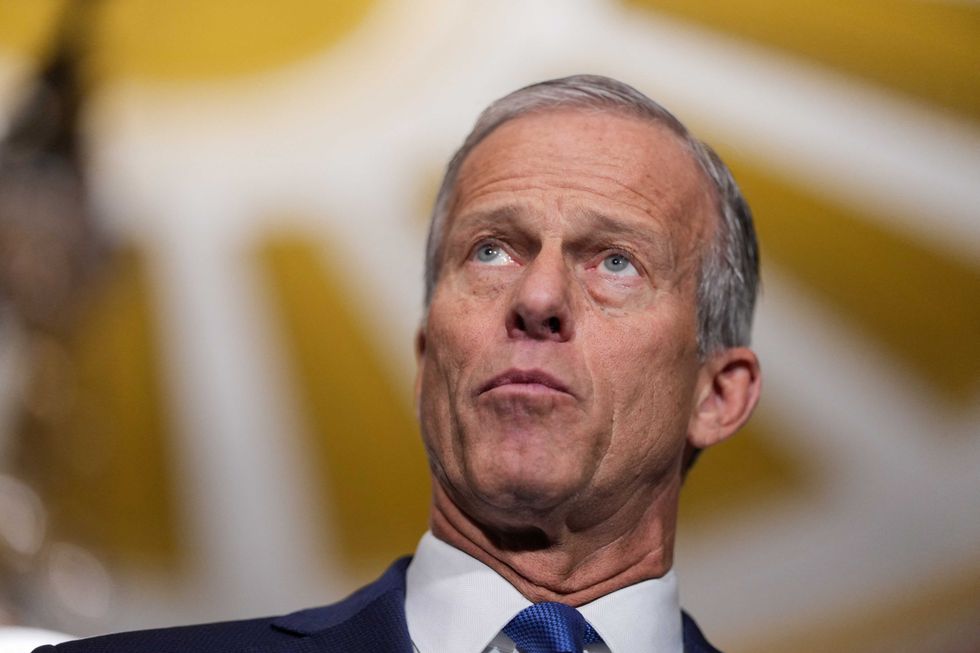
Seething House Republicans turn knives on John Thune with crude message

Seething House Republicans turn knives on John Thune with crude message

House conservatives are training their fire on a new target: their own Senate majority leader.Fed up with John Thune's (R-SD) refusal to nuke the filibuster and
Share
Rawstory2026/03/20 05:42