

Pune Metro: Intelligent Asset Management Transforming Transit CX
Pune Metro: Reimagining Urban Transit CX Through Intelligent Asset Management
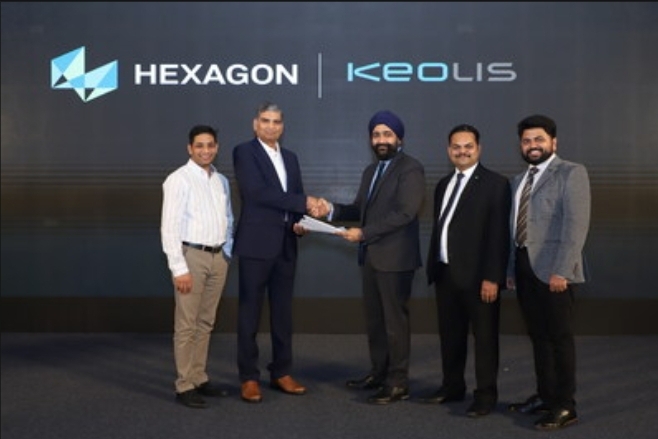
As urban transportation systems scale to meet the demands of rapid urbanization, the link between infrastructure performance and customer experience is becoming increasingly explicit. Keolis India’s selection of Octave Attune EAM as the enterprise asset management platform for Pune Metro Line 3 reflects a broader shift: operational systems are now central to delivering consistent, high-quality passenger experiences.
The 23-kilometer metro corridor, currently under development, is expected to connect Pune’s Shivajinagar business district with the Hinjewadi IT hub—an area employing over 150,000 professionals. While the physical infrastructure promises improved connectivity and reduced travel times, the long-term success of the line will depend on how effectively its assets are managed across their lifecycle.
The Shift Toward Experience-Driven Infrastructure
Customer expectations in public transportation have evolved beyond basic accessibility. Today’s commuters expect reliability, punctuality, and minimal disruption—standards shaped by their experiences with digital-first services in other industries.
This evolution is forcing transit operators to rethink traditional operational models. Infrastructure is no longer just about capacity; it is about consistency and predictability.
Enterprise asset management (EAM) platforms are emerging as critical enablers in this transformation. By providing real-time visibility into asset performance and maintenance needs, these systems help operators shift from reactive to proactive management.
Aligning Strategy with Operational Reality
For Keolis India, the adoption of Attune EAM aligns with its long-term operational responsibilities under a public-private partnership model. With a 10-year mandate to operate Pune Metro Line 3, maintaining high service standards is not optional—it is contractually and reputationally essential.
The complexity of metro operations—spanning rolling stock, tracks, stations, utilities, and fare systems—requires a unified platform capable of managing interdependencies across assets.
The decision to adopt a SaaS-based solution reflects a strategic preference for scalability and agility. Cloud deployment allows for faster implementation, continuous updates, and easier integration with other enterprise systems.
From Octave’s perspective, the project strengthens its positioning in asset-intensive industries, particularly in transportation. By embedding advanced capabilities such as generative AI and reliability-centered maintenance, the company is moving beyond traditional EAM functionality toward intelligent asset lifecycle management.
Pune Metro: Understanding the Technology Layer
At the core of the implementation is the ability to manage the entire lifecycle of metro assets—from commissioning to ongoing operations and maintenance.
During the commissioning phase, the platform will establish a comprehensive asset register, ensuring that every component is documented and tracked from the outset. This foundational step is critical for long-term operational efficiency.
The system incorporates reliability-centered maintenance (RCM), a methodology that prioritizes maintenance activities based on asset criticality and failure risk. This approach reduces unnecessary interventions while ensuring that high-risk components receive appropriate attention.
Integration plays a central role. By connecting with ERP, BIM, and operational technology systems, Attune EAM creates a unified data ecosystem. This enables cross-functional visibility and supports more informed decision-making.
The inclusion of generative AI capabilities further enhances the platform’s analytical capabilities. By identifying patterns and predicting potential failures, the system supports a shift toward predictive maintenance.
As Chanpreet Sahni, Vice President, India at Octave, noted, the platform is designed to “support a broad range of operations and maintenance needs… improving reliability, safety and lifecycle performance.”
Translating Operations into Experience
While asset management operates behind the scenes, its impact on customer experience is immediate and tangible. Service reliability is one of the most critical determinants of passenger satisfaction in public transportation.
By enabling predictive maintenance and real-time monitoring, the platform helps reduce service disruptions, delays, and unplanned outages. This leads to more consistent travel experiences and improved passenger confidence.
Integration with other systems also enhances incident response. When disruptions occur, operators can access real-time data to diagnose issues and communicate updates more effectively.
For passengers, this translates into smoother journeys, fewer uncertainties, and greater trust in the system. The reduction of friction across the travel experience—from ticketing to transit—becomes a key differentiator in an increasingly competitive urban mobility landscape.
Broader Industry Implications
The adoption of AI-enabled, SaaS-based EAM platforms reflects a broader transformation across asset-intensive industries. Organizations are recognizing that operational excellence is inseparable from customer experience.
In transportation, this is driving a shift toward integrated, data-driven ecosystems that connect infrastructure, operations, and customer interfaces.
The inclusion of generative AI signals the next phase of this evolution. Beyond predictive analytics, AI is beginning to play a role in decision-making and operational optimization.
For competitors, this raises the bar. As leading operators invest in advanced asset management capabilities, expectations around reliability and service quality will continue to rise.
Future Outlook: The Convergence of CX and Operations
The Pune Metro Line 3 project illustrates a broader trend: the convergence of customer experience and operational strategy in infrastructure-heavy industries.
As cities expand and mobility demands grow, the ability to deliver consistent, reliable service will become a defining factor for success. Digital platforms that enable visibility, predictability, and agility will play a central role in achieving this.
For CX leaders, the implications are clear. Investments in backend systems—particularly those related to asset management—should be viewed through a customer experience lens.
Organizations that successfully integrate data, AI, and operational processes will be better positioned to deliver seamless, trustworthy experiences at scale.
Key Takeaways
- Asset management is becoming a core CX enabler
Backend operational systems now directly influence customer satisfaction in transportation. - Predictive maintenance improves reliability and trust
Proactive asset management reduces disruptions and enhances service consistency. - SaaS platforms accelerate digital transformation
Cloud-based EAM solutions enable scalability, integration, and continuous innovation. - AI is reshaping infrastructure operations
Generative AI and advanced analytics are moving into core operational workflows. - Integrated ecosystems drive better decision-making
Connecting EAM with ERP, BIM, and OT systems enhances visibility and responsiveness.
The post Pune Metro: Intelligent Asset Management Transforming Transit CX appeared first on CX Quest.
You May Also Like

Siren Token Sheds 70% as Analysts Question Supply Structure

One Of Frank Sinatra’s Most Famous Albums Is Back In The Spotlight

