A USDT wallet is a digital storage solution that holds Tether (USDT) cryptocurrency. It can be hardware-based (physical devices) or software-based (apps or online services), offering varying levelsA USDT wallet is a digital storage solution that holds Tether (USDT) cryptocurrency. It can be hardware-based (physical devices) or software-based (apps or online services), offering varying levels
Learn/Cryptocurrency Knowledge/Hot Concepts/How to Choo...re Storage?

How to Choose a USDT Wallet (Hardware vs. Software) for Secure Storage?

Beginner
Feb 12, 2026MEXC
0m
Based
BASED$0.06944--%
TRC
TRC$----%
Movement
MOVE$0.009155-2.92%
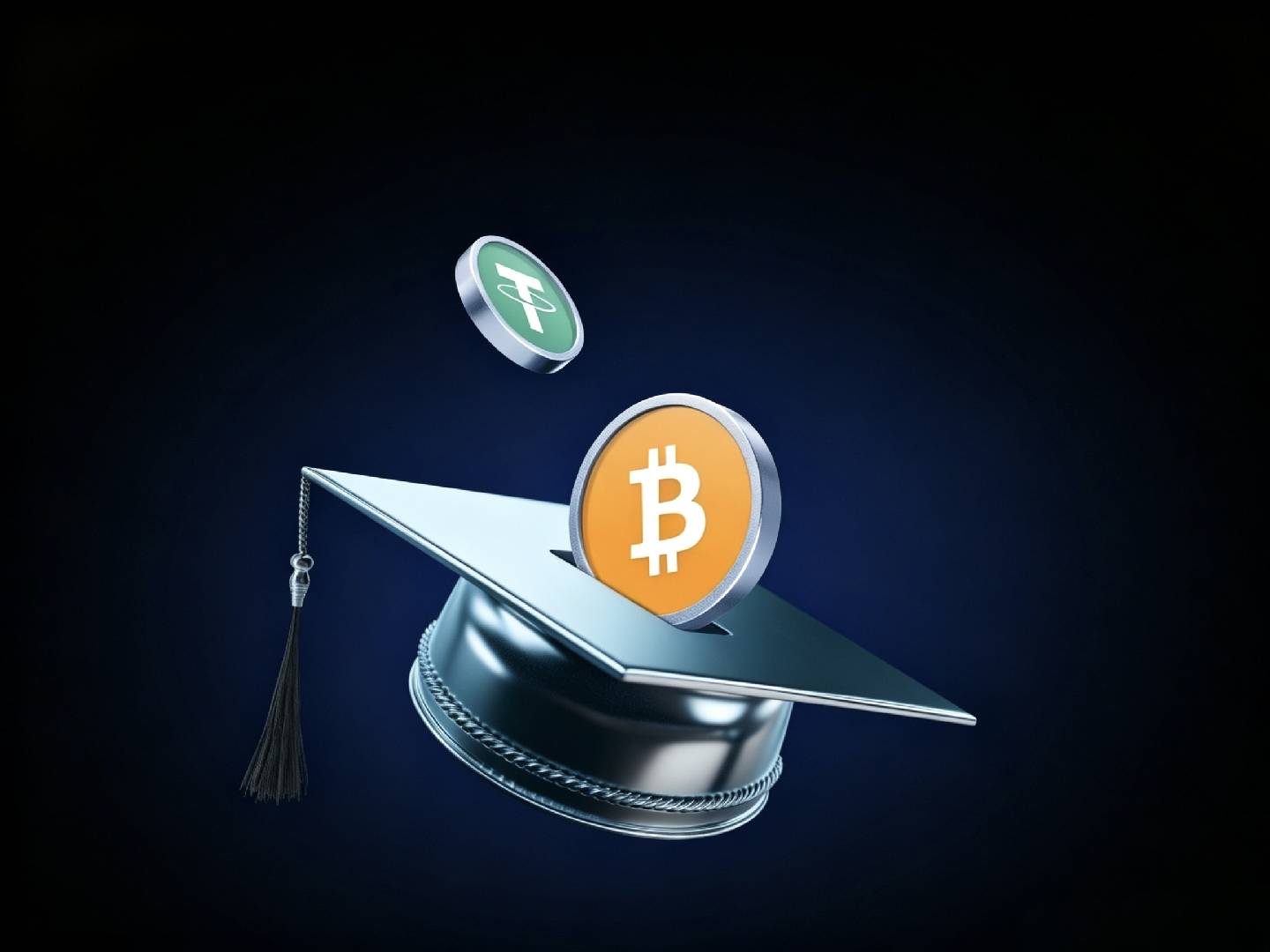
A USDT wallet is a digital storage solution that holds Tether (USDT) cryptocurrency. It can be hardware-based (physical devices) or software-based (apps or online services), offering varying levels of security and ease of use.

TL;DR


  • USDT wallets are used for securely storing Tether (USDT), which is one of the most popular stablecoins.
  • Hardware wallets store private keys offline, offering higher security but are less convenient for frequent use.
  • Software wallets store private keys online, offering greater convenience for daily use but come with more exposure to online threats.
  • When choosing a wallet, consider security, ease of use, and network compatibility (e.g., ERC20 vs. TRC20 networks).
  • Wallets like Ledger, Trezor, MetaMask, and Trust Wallet are among the most popular options for storing USDT securely.

Introduction


As the leading stablecoin in the cryptocurrency ecosystem, Tether (USDT) plays a pivotal role in crypto trading, decentralized finance (DeFi), and cross-border transactions. However, with its growing adoption, secure storage for USDT has become a top priority for crypto users. Deciding between hardware and software wallets can be a challenging task, as each offers unique advantages and security considerations. Understanding the pros and cons of both options is essential to choose the right wallet that aligns with your security requirements and ease of use preferences.

In this article, we will break down the differences between hardware and software wallets, highlighting the factors you should consider when choosing a secure method to store your USDT. Whether you are an experienced crypto trader or a beginner, this guide will help you make an informed decision.

What is a USDT Wallet?


A USDT wallet is a tool used to store your Tether (USDT) cryptocurrency safely. There are two main types of USDT wallets:

  1. Hardware wallets (cold storage) — physical devices that store your private keys offline.
  2. Software wallets (hot storage) — apps or online platforms that store your private keys online.
Both types serve the same function of storing USDT securely, but they differ in terms of accessibility and security.

Key features of a USDT wallet include:

  • Private keys: The cryptographic keys that allow you to access your USDT funds. These keys should be kept secure.
  • Multi-chain support: Most USDT wallets support multiple blockchains such as ERC-20 (Ethereum) and TRC-20 (Tron), allowing users to choose their preferred network.
  • Security options: Many wallets offer added layers of security, such as two-factor authentication (2FA) or hardware-based encryption.

Hardware Wallets: Secure, Offline Storage


Overview of Hardware Wallets


Hardware wallets are physical devices designed to store private keys offline. Since these wallets are disconnected from the internet, they are considered one of the most secure options for storing cryptocurrency, including USDT. Even if your computer or smartphone is compromised by malware, your hardware wallet remains safe because it is not connected to the internet.

Advantages of Using a Hardware Wallet


  • Offline Storage: By keeping private keys offline, hardware wallets protect against online threats like hacking, phishing, and malware attacks.
  • High Security: Hardware wallets often require physical access to the device for confirming transactions, adding a strong layer of protection.
  • Backup and Recovery: Most hardware wallets offer recovery phrases that allow you to recover your wallet in case it is lost, stolen, or damaged.


  • Ledger Nano X: One of the most widely-used hardware wallets, the Ledger Nano X supports USDT across multiple blockchains such as Ethereum (ERC-20) and Tron (TRC-20).
  • Trezor Model T: Known for its robust security features, including a color touchscreen and advanced password management, the Trezor Model T is another excellent option for USDT storage.

Software Wallets: Convenient, Online Storage


Overview of Software Wallets

Software wallets are applications or platforms that allow users to store their private keys online. Unlike hardware wallets, these wallets require an internet connection, which makes them more convenient for frequent transactions but also exposes them to potential online threats.

Advantages and Risks of Software Wallets


  • Ease of Use: Software wallets are easy to set up and use, making them a great option for everyday transactions and DeFi participation.
  • Convenience: You can access your USDT directly from your mobile or desktop device, making it faster to transfer or trade your assets.
  • Security Risks: As software wallets are connected to the internet, they are more susceptible to cyber attacks, hacking attempts, and phishing scams.


  • MetaMask: A popular browser extension wallet used for storing Ethereum-based assets (ERC-20 tokens), including USDT, and participating in DeFi applications.
  • Trust Wallet: A mobile wallet app that supports multiple blockchains, including Ethereum and Tron, making it an ideal option for users who need quick and easy access to USDT.

Transferring USDT: How to Move Your USDT Between Networks


When transferring USDT between wallets, it's important to understand the networks you're using. USDT TRC20 (on the Tron network) and USDT ERC20 (on the Ethereum network) are two of the most widely used versions. Each network has different features in terms of transaction speed, cost, and accessibility.

Transferring USDT to MEXC Network


To move USDT to the MEXC you’ll need to select the correct network version (e.g., ERC20 or TRC20) based on MEXC’s supported networks. Ensuring the correct network choice will prevent errors and lost transactions.

Converting USDT TRC20 to USD


If you’re looking to convert USDT TRC20 to USD, this can typically be done through exchanges like MEXC. Note that transaction fees and rates may vary based on the platform's policies and the network's current traffic.

Key Considerations When Choosing a USDT Wallet


Security Features to Look For


When selecting a wallet, consider the following security features:
  • Private Key Control: Ensure that you have full control over your private keys, as this provides the highest level of security.
  • Two-Factor Authentication (2FA): Choose wallets that offer 2FA for an added layer of protection.
  • Backup and Recovery Options: Look for wallets that provide secure methods for recovering your wallet in case of loss or damage.

Ease of Use vs. Security


There’s a trade-off between usability and security. While software wallets are convenient and ideal for everyday use, hardware wallets are more secure for long-term storage but less convenient for frequent transactions. Evaluate your priorities and choose accordingly.

Cost of Transactions


Frequently Asked Questions (FAQ)


What is the best way to store USDT?


For long-term storage, a hardware wallet is the most secure option, while software wallets are suitable for those who need quick and easy access for daily transactions.

Can I store USDT on a mobile wallet?


Yes, mobile wallets like Trust Wallet and MetaMask support storing USDT. These wallets allow easy access and interaction with your funds on-the-go.

What is the USDT deposit fee on MEXC?


The USDT deposit fee on MEXC depends on the network selected. TRC20 is typically associated with lower fees, while ERC20 transactions may incur higher costs.

Conclusion: Choosing the Right USDT Wallet for Your Needs


Selecting the appropriate USDT wallet depends on your needs. If security is a top priority, hardware wallets are the best choice, offering offline protection from online threats. For those seeking convenience and ease of access for frequent transactions, software wallets provide a user-friendly experience, though with slightly lower security.

Consider your transaction frequency, security needs, and preferred blockchain network when making a decision. Both types of wallets are excellent for securing your USDT, but choosing the right one will depend on your personal use case.

Disclaimer


This article is for educational purposes only and does not constitute financial advice. Cryptocurrency markets are volatile. Availability of products and services may vary by region.
Market Opportunity
Based Logo
Based Price(BASED)
$0.06948
$0.06948$0.06948
+2.40%
USD
Based (BASED) Live Price Chart

Popular Articles

View More
MEXC On-Chain Daily Report: 21 international financial institutions plan to jointly launch a U.S. dollar stablecoin

MEXC On-Chain Daily Report: 21 international financial institutions plan to jointly launch a U.S. dollar stablecoin

Updated: September 2, 2026, 09:30 (UTC+8) | Author: MEXC Headlines 21 international financial institutions plan to jointly launch a U.S. dollar stablecoin U.S. SEC proposes allowing blockchain-based

MEXC On-Chain Daily Report: Robinhood Chain Daily Revenue Surpasses Ethereum

MEXC On-Chain Daily Report: Robinhood Chain Daily Revenue Surpasses Ethereum

Updated: September 1, 2026, 09:30 (UTC+8) | Author: MEXC Headlines Hyperliquid discusses U.S. market entry with Kraken’s parent company Robinhood Chain daily revenue surpasses Ethereum BUIDL regains

Is Staked ETH Safe From Quantum Computers? Ethereum Validator Security Explained

Is Staked ETH Safe From Quantum Computers? Ethereum Validator Security Explained

If quantum computing eventually becomes powerful enough to threaten Ethereum, stakers face a slightly different problem from ordinary wallet holders. An ETH wallet relies on keys that authorize

MEXC On-Chain Daily Report: Franklin Templeton Plans to Use $2.6 Billion BENJI Fund in ETFs and Mutual Funds

MEXC On-Chain Daily Report: Franklin Templeton Plans to Use $2.6 Billion BENJI Fund in ETFs and Mutual Funds

Updated: August 26, 2026, 09:30 (UTC+8) | Author: MEXC Headlines Franklin Templeton plans to add $2.6 billion BENJI to ETFs Japan plans blockchain-based instant securities settlement Thailand seeks

Hot Crypto Updates

View More
Snowflake Stock Surges 20% After Earnings: AI Now Drives Half of Its Growth Acceleration

Snowflake Stock Surges 20% After Earnings: AI Now Drives Half of Its Growth Acceleration

Overview Global data cloud and enterprise artificial intelligence provider Snowflake recorded an aggressive equity breakout in extended market trading, with shares surging more than 20% to reverse

Why Is Robinhood Stock Up? Agentic Trading, Banking Growth and a Mystery Product Teaser

Why Is Robinhood Stock Up? Agentic Trading, Banking Growth and a Mystery Product Teaser

Overview Retail financial technology and brokerage platform Robinhood (NASDAQ: HOOD) experienced notable upward momentum during overnight trading sessions, jumping nearly 3% before consolidating

Why Is Nvidia Investing $3.5 Billion in MediaTek? NVLink Fusion and Custom AI Chips Explained

Why Is Nvidia Investing $3.5 Billion in MediaTek? NVLink Fusion and Custom AI Chips Explained

Overview Global artificial intelligence compute leader Nvidia has executed one of the most consequential corporate capital allocations in semiconductor history, committing $3.5 billion into overseas

Why Are Stocks Falling Today? Oil Tops $90 as US-Iran Tensions Return

Why Are Stocks Falling Today? Oil Tops $90 as US-Iran Tensions Return

Overview Global financial markets experienced broad-based selling pressure across equities and high-beta assets as geopolitical conflict in the Middle East escalated sharply. According to operational

Trending News

View More
MEXC On-chain Daily Report: Visa Partners with Brale to Test Private Stablecoin Settlement

MEXC On-chain Daily Report: Visa Partners with Brale to Test Private Stablecoin Settlement

Institutional adoption and infrastructure expansion remained key themes in the crypto market today. Visa advanced stablecoin settlement testing, while Goldman Sachs launched a tokenized real estate fu

MEXC On-chain Daily Report: SpaceX IPO Oversubscription Demand Exceeds $250 Billion

MEXC On-chain Daily Report: SpaceX IPO Oversubscription Demand Exceeds $250 Billion

The convergence of AI, stablecoins, and tokenized finance continues to accelerate. Ripple launched AI-powered payment infrastructure on XRPL, Mastercard introduced an autonomous payment protocol for A

MEXC On-chain Daily Report: Illinois Enacts 0.2% Crypto Transaction Tax

MEXC On-chain Daily Report: Illinois Enacts 0.2% Crypto Transaction Tax

Today's market focus centers on the growing competition between tokenized assets and crypto capital, the continued expansion of stablecoin infrastructure, and institutional adoption of blockchain-base

Outcome.xyz HIP-4 Prediction Market Tops $11 Million in Its First Week

Outcome.xyz HIP-4 Prediction Market Tops $11 Million in Its First Week

Outcome.xyz reportedly exceeded $11 million in HIP-4 trading volume during its first week. Here is what drove the growth and what traders should watch next.

Related Articles

View More
Can XRP Reach $1,000? The Math Says No, Here's Why

Can XRP Reach $1,000? The Math Says No, Here's Why

Every crypto rally brings the same question back: can XRP reach $1,000?It is one of the most-searched price targets in all of crypto, and the short answer is no — not at anything close to XRP's curren

How to Short Dogecoin: A Step-by-Step Hedging Guide

How to Short Dogecoin: A Step-by-Step Hedging Guide

Shorting Dogecoin involves opening a position that generates a profit when the price of DOGE declines. Instead of the typical buy and hold strategy, a trader borrows or enters a contract against the a

What is a Stablecoin? A Complete Beginner’s Guide to Stable Cryptocurrencies

What is a Stablecoin? A Complete Beginner’s Guide to Stable Cryptocurrencies

Are you interested in stablecoins but find the world of cryptocurrency daunting? You’re not alone. Digital currencies can be complex, especially for those new to the space. This comprehensive guide of

Does XRP Burn Coins? Yes, but Not for the Reason You Think

Does XRP Burn Coins? Yes, but Not for the Reason You Think

If you've been holding XRP or thinking about buying it, you've probably seen people arguing about "XRP burns" and wondered what all the fuss is about. The short answer: yes, XRP burns coins — a tiny a

Sign Up on MEXC
Sign Up & Receive Up to 10,000 USDT Bonus
Find Your Ideal MEXC Card
Find Your Ideal MEXC CardFind Your Ideal MEXC Card
Global for travel. APAC for daily. ether.fi to HODL.