Occidental After the OxyChem Sale: What Changed for OXY Stock in 2026?

Summary
On January 2, 2026, Occidental Petroleum completed one of the most consequential transactions in its recent history: the sale of OxyChem to Berkshire Hathaway for $9.7 billion in cash, subject to customary adjustments.
The transaction changed Occidental in three important ways:
- Occidental became more concentrated in oil and gas.
- The company used the proceeds to accelerate debt reduction.
- Berkshire Hathaway's relationship with Occidental became even deeper.
Following the transaction, Occidental reports two continuing segments:
- Oil and Gas;
- Midstream and Marketing, which includes its Low Carbon Ventures activities.
OxyChem is treated as a discontinued operation.
For OXY investors, the key question is whether the benefits of a simpler balance sheet and much lower debt outweigh the loss of earnings diversification from the chemical business.
What Was OxyChem?
OxyChem was Occidental's chemical-manufacturing business.
It produced basic chemicals used across areas such as:
- Water treatment;
- PVC and construction products;
- Healthcare;
- Pharmaceuticals;
- Industrial applications.
Berkshire's filings describe OxyChem as a global basic-chemicals manufacturer and recorded the acquisition beginning January 2, 2026.
How Much Did Berkshire Pay?
Occidental's SEC filing reports a closing price of approximately:
$9.7 billion in cash
subject to customary purchase-price adjustments.
Berkshire's own financial statements initially recorded consideration of approximately $9.5 billion, subject to adjustment, reflecting the buyer's accounting presentation.
These figures should therefore not be treated as contradictory; they reflect different stages and accounting presentations of the same transaction.
Occidental Before and After OxyChem
Before
Occidental was commonly described through:
Oil and Gas
Chemical
Midstream and Marketing
After
Continuing operations are now:
Oil and Gas
Midstream and Marketing
with Low Carbon Ventures inside the latter segment.
Why Did Occidental Sell OxyChem?
The most important reason was capital allocation.
Occidental had accumulated significant leverage through major acquisitions, most notably Anadarko and later CrownRock.
The OxyChem sale generated a large amount of cash that could immediately reduce principal debt.
By May 5, 2026, Occidental said it had repaid $7.1 billion of principal debt during 2026, lowering principal debt to approximately $13.3 billion.
Why Does Lower Debt Matter?
Debt creates fixed financial obligations.
For a commodity-sensitive company, that matters because oil prices can change dramatically.
When oil prices are high:
Cash Flow ↑
makes debt easier to service.
When oil prices collapse:
Cash Flow ↓
but interest and principal obligations remain.
Reducing debt therefore can make Occidental more resilient across commodity cycles.
What Is Occidental's Next Debt Target?
Following Q2 2026 results, management reiterated that reducing principal debt to $10 billion remains the immediate priority.
CEO Richard Jackson also emphasized balance-sheet strengthening before Occidental begins redeeming Berkshire's expensive preferred equity beginning in 2029.
This makes the capital-allocation hierarchy increasingly clear:
Operations
↓
Required Capital
↓
Debt Reduction
↓
Preferred Equity Reduction
↓
potentially greater flexibility for ordinary shareholder returns
What Happened to Free Cash Flow?
Occidental's strategy is no longer merely to depend on rising oil prices.
In August 2026, management said it was on track to improve annual free cash flow by more than $1.2 billion in 2026, with a pathway toward more than $4 billion of additional annual cash flow by 2030, even before assuming higher oil prices.
That target depends on execution and is not guaranteed.
But it shows that management is focusing on:
- Cost reductions;
- Lower sustaining capital;
- More efficient operations;
- Portfolio optimization.
What Did Q2 2026 Show?
The post-OxyChem company benefited heavily from high oil prices during Q2.
Occidental's average realized oil price reached approximately $96.78 per barrel, while production averaged about 1.43 million BOE per day. Adjusted EPS was $2.40, the company's highest quarterly adjusted result since 2022.
This demonstrates both the opportunity and the risk of Occidental's more concentrated structure:
When oil prices are strong, the upstream business can generate very powerful earnings.
The reverse is also true.
Does Selling OxyChem Increase Oil-Price Sensitivity?
Conceptually, yes.
The chemical business provided earnings that were affected by a different combination of:
- Feedstock costs;
- Industrial demand;
- Construction activity;
- Chemical pricing.
After the sale, Occidental is more centered on upstream oil and gas economics.
That can make commodity prices relatively more important to consolidated results.
What Did Occidental Gain?
Potential advantages include:
Lower Leverage
Billions of dollars of debt were repaid rapidly.
Simpler Corporate Structure
Investors can analyze a more focused energy company.
Lower Interest Burden Over Time
Reducing debt can free more future cash flow.
Greater Capital Flexibility
A stronger balance sheet may eventually create more options for:
- Dividends;
- Preferred redemption;
- Buybacks;
- Investment.
What Did Occidental Give Up?
Diversification
OxyChem was not directly tied to upstream oil production.
Chemical Earnings
Future chemical profits now belong to Berkshire.
Potential Industrial Upside
If chemical markets become especially strong, Occidental no longer participates through OxyChem.
Why Berkshire's Role Is Unusual
Berkshire is simultaneously:
- A major Occidental common shareholder;
- Holder of Occidental preferred stock;
- Holder of OXY warrants;
- The owner of former Occidental subsidiary OxyChem.
As of March 31, 2026, Berkshire reported holding 26.9% of outstanding Occidental common stock, excluding potential warrant exercise.
This creates one of the most unusual strategic relationships among large U.S. public companies.
What Does the Sale Mean for OXYON?
OXYON is linked economically to OXY.
Therefore, OxyChem no longer contributes to the ongoing Occidental business represented by future OXY earnings in the same way it did before January 2026.
For the underlying company overview, read What Is Occidental Petroleum (NYSE: OXY) Stock?.
Eligible users can trade OXYON/USDT on MEXC.
FAQ
Does Occidental still own OxyChem?
No. Berkshire acquired OxyChem on January 2, 2026.
How much was the OxyChem transaction?
Occidental reported approximately $9.7 billion in cash, subject to adjustments.
Why did Occidental sell OxyChem?
A major objective was strengthening the balance sheet and reducing leverage.
How much principal debt did Occidental have after the early-2026 repayments?
Occidental reported approximately $13.3 billion as of May 5, after $7.1 billion of repayments during 2026.
What is the next debt goal?
Management has identified $10 billion of principal debt as the next major milestone.
Did Berkshire buy Occidental itself?
No. Berkshire bought OxyChem and separately owns a large Occidental equity position.
Risk Disclaimer
The OxyChem transaction does not guarantee improved future OXY returns. Lower debt can strengthen the balance sheet, while greater concentration in upstream energy also increases exposure to commodity cycles.
Popular Articles
View More
TSMC vs ASML: Foundry Manufacturing vs EUV Equipment in the AI Chip Cycle
TSMC and ASML are both essential to advanced AI chips, but they monetize different points of the semiconductor cycle. TSMC earns when chip designers turn demand into wafer production and advanced

Dogecoin Security Basics: Common Scams Targeting DOGE Holders and How to Avoid Them
Dogecoin (DOGE) has transformed from an internet meme into a legitimate financial asset. However, its mainstream visibility is a double-edged sword: while it drives adoption, it also attracts
U.S. Stock Weekly | Aug. 28–Sep.03 | HOOD Surges Nearly 20% in a Week, Bitcoin Breaks $81,000: Did You Make a Paper Profit in This Rally of U.S. Stocks and Crypto?
The main theme of U.S. stocks this week is not AI, but Liquidity. ADP private-sector employment in August increased by only 38,000, below the market expectation of 48,000; ISM Manufacturing PMI and
Hot Crypto Updates
View More
Nike Earnings Preview: Can NKE Stock Rebound From a 12-Year Low?
Key Takeaways Nike will report fiscal Q1 2027 results on October 1, 2026 after the U.S. market closes, with current expectations centered near $11.43 billion in revenue and $0.44 in earnings per

Adobe Earnings: Why Is Adobe Stock Down Despite 150% AI ARR Growth?
Summary: Adobe stock fell after Q3 FY2026 earnings despite record revenue and more than 150% growth in AI-first ARR. Adobe now has over 1 billion monthly active users, but Q4 revenue guidance showed

Oracle Earnings: Why Is ORCL Stock Up? AI Cloud Revenue Jumps 121%
Oracle stock rose in extended trading on September 10 after the company reported stronger-than-expected fiscal first-quarter results, powered by accelerating demand for artificial intelligence cloud

Trending News
View More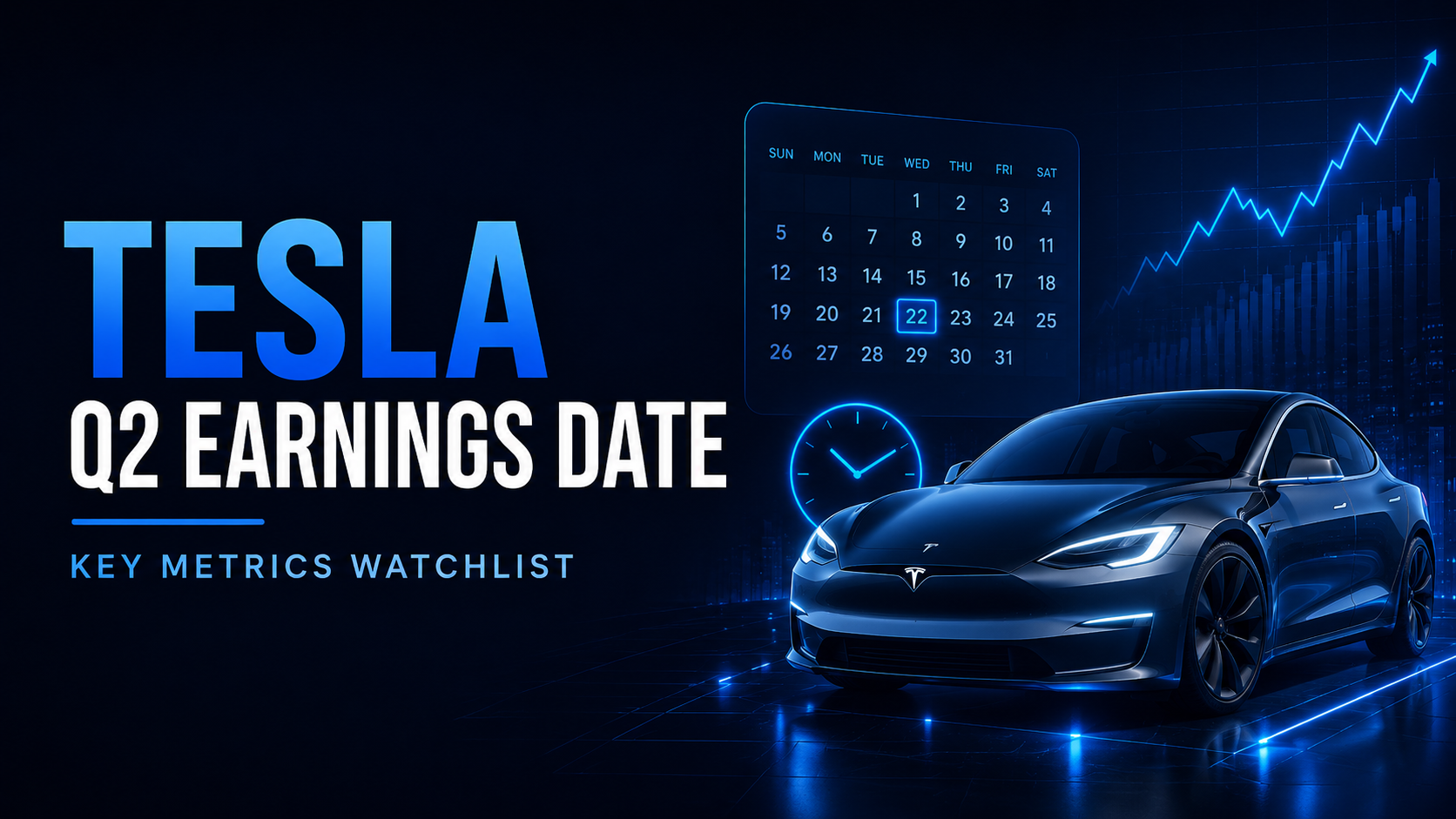
Tesla Q2 2026 Earnings Date: Release Time, Webcast and Key Metrics
Tesla’s Q2 2026 earnings report is set for Wednesday, July 22, 2026, after market close, with management scheduled to host a live Q&A webcast at 4:30 p.m. Central Time / 5:30 p.m. Eastern Time. The Q2

What Is DIGY11? How the Bitcoin-Backed Digital Credit ETF Differs From a Spot Bitcoin ETF
DIGY11 introduces a different way for investors to gain exposure to the expanding Bitcoin corporate-finance ecosystem. Developed around securities issued by Bitcoin treasury companies, the ETF is desi


Related Articles
View More
How to Trade an IPO on MEXC: Choosing the Right Product Before, During and After Listing
An IPO is three stages, not one moment. Before listing, Pre-IPO Launchpad provides event-based exposure while Pre-IPO Futures trade valuation expectations. At the offering, IPO Launchpad and IPO Expre
What Drives LITEON Price? AI Data Centers, Optical Networking and Lumentum Stock Explained
SummaryLITEON price is fundamentally linked to Lumentum Holdings stock, LITE.That means the most useful way to analyze LITEON is not through conventional crypto tokenomics but through the economic cha
Lumentum and NVIDIA Partnership Explained: AI Optics, $2 Billion Investment and What It Means for LITEON
SummaryNVIDIA and Lumentum announced a multiyear strategic agreement on March 2, 2026 focused on advanced optical technologies for next-generation AI infrastructure.The agreement includes:a $2 billion