THE ENERGY REGULATORY Commission (ERC) has proposed P10.3859 per kilowatt-hour (kWh) as the ceiling price to guide participants in the fifth green energy auctionTHE ENERGY REGULATORY Commission (ERC) has proposed P10.3859 per kilowatt-hour (kWh) as the ceiling price to guide participants in the fifth green energy auction

ERC proposes over P10/kWh cap for offshore wind auction

2025/12/14 20:44

THE ENERGY REGULATORY Commission (ERC) has proposed P10.3859 per kilowatt-hour (kWh) as the ceiling price to guide participants in the fifth green energy auction round (GEA-5) for offshore wind next year.

The green energy auction reserve (GEAR) price will be used in the auction for fixed-bottom offshore wind projects, which will have an installation target of 3,300 megawatts (MW).

At a briefing last week, ERC Director for Market Operations Service Sharon Ocampo-Montañer said the commission took into consideration some proposed offshore wind projects in Manila Bay, San Miguel Bay, Guimaras Strait, and southern Mindoro in setting the price.

“We have also considered the costs of various wind turbine suppliers,” she said.

The GEAR price serves as the maximum price in pesos per kWh, which will guide bidders during the auction.

The public can comment on the proposed GEAR price for offshore wind energy by Dec. 19. The ERC will conduct public consultations on Jan. 5 and 6.

“This auction for offshore wind is a milestone in achieving the Philippine Energy Plan set by the DoE,” ERC Chairmann Francis Saturnino C. Juan said.“This technology will be first in the country with total potential capacity of more than 68 gigawatts.”

GEA-5, the first auction dedicated solely to offshore wind projects, is expected to take place within the first half of 2026.

The Philippines is hoping to start generating offshore wind power by 2028 in the course of diversifying its energy sources and reducing dependence on fossil fuels.

It expects offshore wind to play a key role in achieving the target of increasing renewable energy’s share in the power mix to 35% by 2030 and 50% by 2040. — Sheldon Joy Talavera

Piyasa Fırsatı
Capverse Logosu
Capverse Fiyatı(CAP)
$0.13406
$0.13406$0.13406
+5.47%
USD
Capverse (CAP) Canlı Fiyat Grafiği
Sorumluluk Reddi: Bu sitede yeniden yayınlanan makaleler, halka açık platformlardan alınmıştır ve yalnızca bilgilendirme amaçlıdır. MEXC'nin görüşlerini yansıtmayabilir. Tüm hakları telif sahiplerine aittir. Herhangi bir içeriğin üçüncü taraf haklarını ihlal ettiğini düşünüyorsanız, kaldırılması için lütfen service@support.mexc.com ile iletişime geçin. MEXC, içeriğin doğruluğu, eksiksizliği veya güncelliği konusunda hiçbir garanti vermez ve sağlanan bilgilere dayalı olarak alınan herhangi bir eylemden sorumlu değildir. İçerik, finansal, yasal veya diğer profesyonel tavsiye niteliğinde değildir ve MEXC tarafından bir tavsiye veya onay olarak değerlendirilmemelidir.

Ayrıca Şunları da Beğenebilirsiniz

The Channel Factories We’ve Been Waiting For
The Channel Factories We’ve Been Waiting For

The post The Channel Factories We’ve Been Waiting For appeared on BitcoinEthereumNews.com. Visions of future technology are often prescient about the broad strokes while flubbing the details. The tablets in “2001: A Space Odyssey” do indeed look like iPads, but you never see the astronauts paying for subscriptions or wasting hours on Candy Crush.  Channel factories are one vision that arose early in the history of the Lightning Network to address some challenges that Lightning has faced from the beginning. Despite having grown to become Bitcoin’s most successful layer-2 scaling solution, with instant and low-fee payments, Lightning’s scale is limited by its reliance on payment channels. Although Lightning shifts most transactions off-chain, each payment channel still requires an on-chain transaction to open and (usually) another to close. As adoption grows, pressure on the blockchain grows with it. The need for a more scalable approach to managing channels is clear. Channel factories were supposed to meet this need, but where are they? In 2025, subnetworks are emerging that revive the impetus of channel factories with some new details that vastly increase their potential. They are natively interoperable with Lightning and achieve greater scale by allowing a group of participants to open a shared multisig UTXO and create multiple bilateral channels, which reduces the number of on-chain transactions and improves capital efficiency. Achieving greater scale by reducing complexity, Ark and Spark perform the same function as traditional channel factories with new designs and additional capabilities based on shared UTXOs.  Channel Factories 101 Channel factories have been around since the inception of Lightning. A factory is a multiparty contract where multiple users (not just two, as in a Dryja-Poon channel) cooperatively lock funds in a single multisig UTXO. They can open, close and update channels off-chain without updating the blockchain for each operation. Only when participants leave or the factory dissolves is an on-chain transaction…
Paylaş
BitcoinEthereumNews2025/09/18 00:09
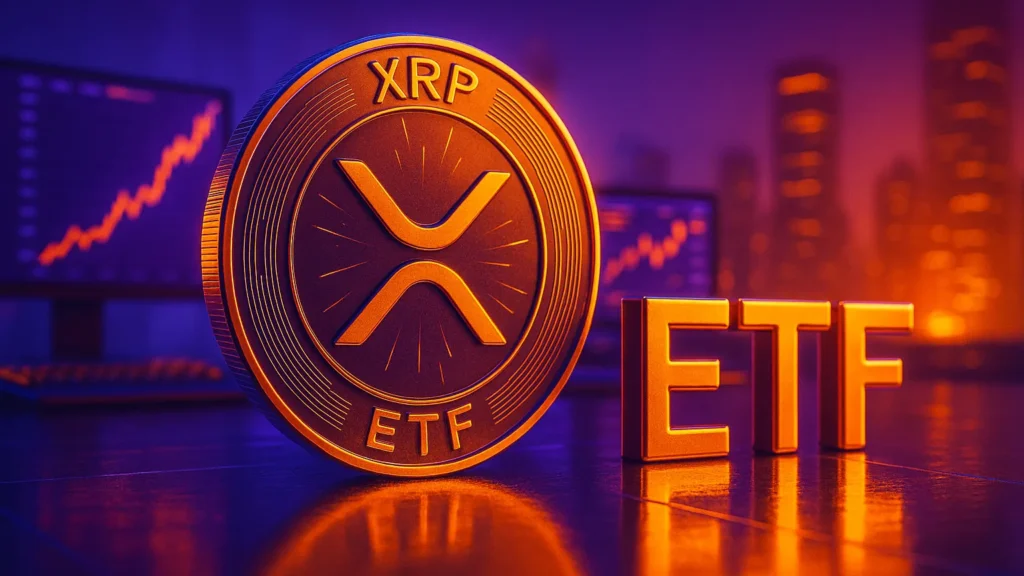
XRP ETF’s bereiken belangrijke mijlpaal: $1 miljard aan netto instroom

XRP ETF’s bereiken belangrijke mijlpaal: $1 miljard aan netto instroom

De markt voor crypto-exchange-traded funds (ETF’s) heeft opnieuw een belangrijke mijlpaal bereikt. XRP ETF’s hebben gezamenlijk meer dan 1 miljard dollar aan netto
Paylaş
Coinstats2025/12/16 21:01
XSGD And XUSD Launch On Solana’s Blazing Network In 2025

XSGD And XUSD Launch On Solana’s Blazing Network In 2025

The post XSGD And XUSD Launch On Solana’s Blazing Network In 2025 appeared on BitcoinEthereumNews.com. StraitsX Stablecoins Unleash Power: XSGD And XUSD Launch
Paylaş
BitcoinEthereumNews2025/12/16 20:59