

SEC Regulatory Framework for On-Chain Security Token Trading: A Transformative Announcement from Chairman Paul Atkins
BitcoinWorld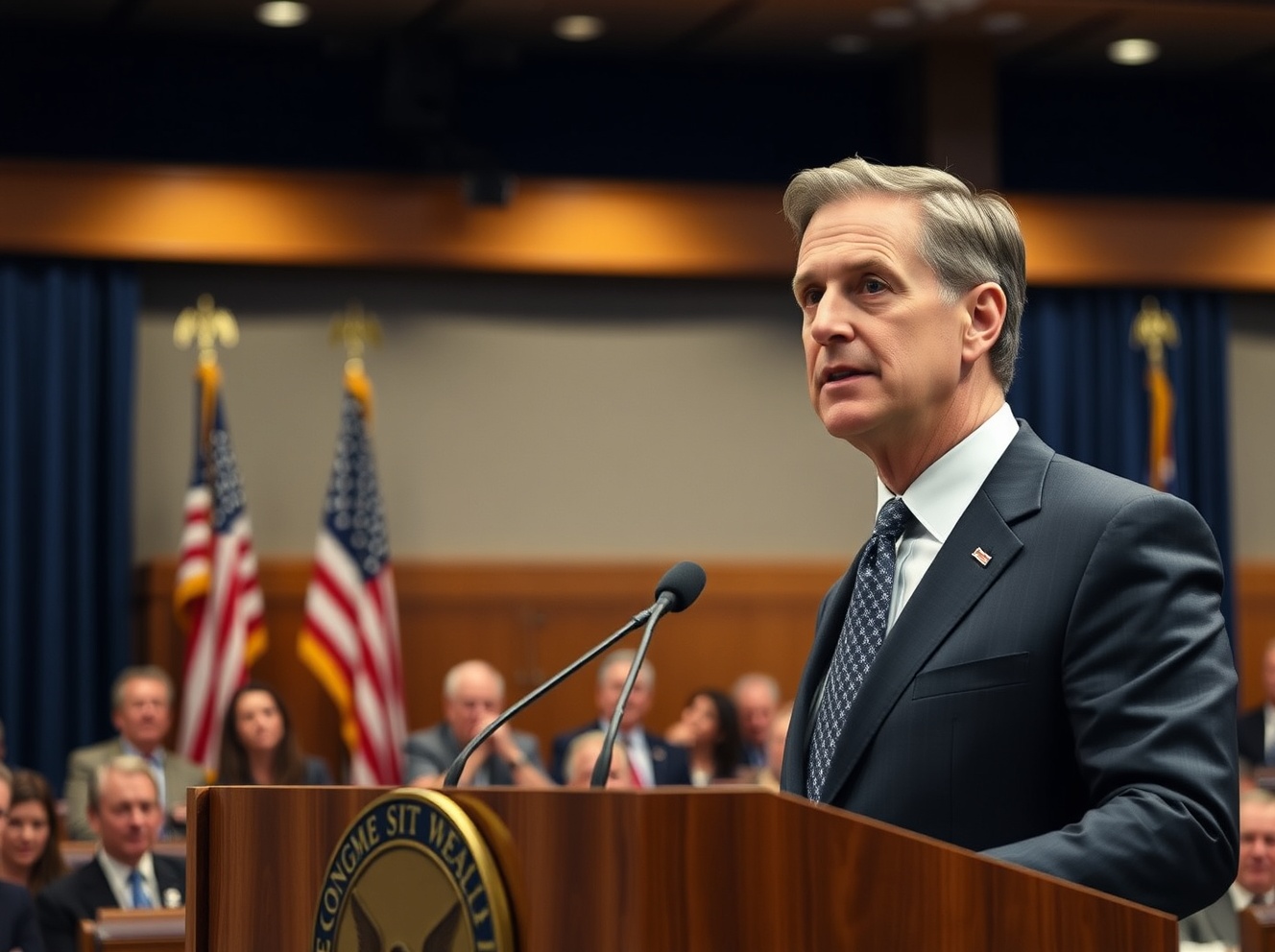
SEC Regulatory Framework for On-Chain Security Token Trading: A Transformative Announcement from Chairman Paul Atkins
WASHINGTON, D.C. — In a significant development for financial markets, SEC Chairman Paul Atkins announced today that the agency will establish a comprehensive regulatory framework for on-chain security token trading. This announcement, made during his keynote address at the Economic Club of Washington, signals a pivotal shift toward blockchain integration in traditional securities markets. The framework specifically addresses the migration of security token markets to blockchain infrastructure while maintaining investor protection standards.
SEC Regulatory Framework for On-Chain Security Tokens
Chairman Atkins outlined the SEC’s approach to regulating on-chain security token trading during his Washington address. The framework represents the agency’s most substantial blockchain policy initiative to date. Importantly, the chairman emphasized that traditional securities laws will apply to tokenized assets trading on distributed ledgers. However, the commission recognizes the unique technological aspects of blockchain-based trading systems.
The announcement comes after three years of industry consultation and internal analysis. Market participants have long sought regulatory clarity for security token offerings and secondary trading. Previously, the SEC addressed digital assets primarily through enforcement actions and limited guidance. This new framework establishes formal rules for compliance, registration, and reporting requirements specifically tailored to blockchain-based securities markets.
Innovation Exemption and Market Migration
Chairman Atkins revealed that the SEC will soon announce an innovation exemption provision. This exemption will facilitate the on-chain migration of existing securities markets. The provision aims to reduce regulatory friction for firms transitioning traditional securities to blockchain infrastructure. Additionally, it will create a sandbox environment for testing new trading protocols and settlement mechanisms.
The migration initiative addresses several longstanding market inefficiencies. Blockchain technology potentially reduces settlement times from days to minutes. It also enhances transparency through immutable transaction records. However, the SEC acknowledges that distributed ledger technology introduces novel compliance challenges. The framework specifically addresses custody requirements, investor accreditation verification, and anti-money laundering protocols for on-chain environments.
Historical Context and Regulatory Evolution
The SEC’s approach to digital assets has evolved significantly since 2017. Initially, the commission focused primarily on initial coin offerings that qualified as securities under the Howey Test. Subsequently, enforcement actions targeted unregistered securities offerings and fraudulent schemes. The 2023 adoption of Regulation D amendments created limited pathways for security token offerings. However, secondary trading remained largely unaddressed until today’s announcement.
Industry experts note that this framework represents a maturation of regulatory thinking. “The SEC recognizes that blockchain technology can enhance market efficiency while maintaining investor protections,” observed financial regulation professor Dr. Elena Rodriguez of Georgetown University. Her research on distributed ledger regulation informed several SEC working groups. She further explained that the framework balances innovation with the commission’s statutory mandate.
Technical Requirements and Compliance Standards
The forthcoming framework establishes specific technical requirements for on-chain security token trading platforms. These requirements address several critical areas:
- Transaction Finality: Platforms must demonstrate settlement finality within defined parameters
- Recordkeeping: Immutable transaction records must comply with SEC Rule 17a-4 requirements
- Custody Solutions: Digital asset custodians must meet enhanced security standards
- Market Surveillance: Real-time monitoring capabilities for detecting manipulative trading
Compliance standards will phase in over 24 months according to the chairman’s timeline. Existing broker-dealers operating alternative trading systems will receive transition guidance. New entrants must demonstrate full compliance before commencing operations. The SEC’s Division of Trading and Markets will oversee implementation and conduct regular examinations.
International Coordination and Market Implications
The SEC coordinated this initiative with international regulatory counterparts. Specifically, the framework aligns with emerging standards from the International Organization of Securities Commissions. European Union markets already operate under the Markets in Crypto-Assets regulation. However, the U.S. approach differs by integrating security tokens within existing securities law frameworks rather than creating separate regimes.
Market implications extend across multiple sectors. Traditional financial institutions can now explore tokenization of various asset classes. Real estate investment trusts, private equity funds, and venture capital portfolios represent prime candidates for blockchain migration. Investment banks anticipate reduced operational costs through automated compliance and settlement. Retail investors may eventually access previously illiquid markets through fractional token ownership.
Implementation Timeline and Industry Response
Chairman Atkins outlined a three-phase implementation timeline during his remarks. The innovation exemption will take effect within 90 days of publication in the Federal Register. Framework rules will undergo standard notice-and-comment rulemaking over the following 12 months. Full implementation of all provisions should conclude by late 2026 according to current projections.
Industry response has been cautiously optimistic. Major financial trade associations generally welcomed the regulatory clarity. However, some blockchain advocates expressed concerns about potential compliance burdens for smaller firms. The framework includes scaled requirements for different platform sizes and trading volumes. This tiered approach aims to foster innovation while maintaining market integrity across participants.
Conclusion
The SEC’s announcement of a regulatory framework for on-chain security token trading represents a watershed moment for financial markets. Chairman Paul Atkins’ commitment to facilitating market migration through innovation exemptions demonstrates regulatory adaptability. This framework potentially accelerates blockchain adoption across traditional securities markets while upholding investor protection standards. The coming months will reveal how market participants leverage these new rules to build more efficient, transparent trading ecosystems.
FAQs
Q1: What exactly are on-chain security tokens?
On-chain security tokens are digital representations of traditional securities like stocks or bonds that exist and trade on blockchain networks. They provide ownership rights and potentially dividends or interest payments through smart contracts.
Q2: How does this framework differ from previous SEC guidance on digital assets?
This framework establishes formal rules rather than guidance, specifically addressing secondary trading of security tokens. Previous actions focused primarily on initial offerings and enforcement against unregistered securities.
Q3: What is the innovation exemption provision mentioned by Chairman Atkins?
The innovation exemption will allow certain firms to test on-chain trading systems with reduced regulatory requirements during a defined pilot period. This facilitates experimentation while maintaining appropriate safeguards.
Q4: Will existing securities laws still apply to tokenized assets?
Yes, traditional securities laws including the Securities Act of 1933 and Securities Exchange Act of 1934 will continue to apply. The framework adapts these laws to blockchain technology rather than replacing them.
Q5: How will this affect retail investors interested in security tokens?
Retail investors should benefit from increased transparency and potentially lower costs. However, they must still meet accreditation requirements for certain offerings and should understand the technological aspects of blockchain trading.
This post SEC Regulatory Framework for On-Chain Security Token Trading: A Transformative Announcement from Chairman Paul Atkins first appeared on BitcoinWorld.


You May Also Like

WTI Crude Oil Defies Volatility as US-Iran Diplomacy Sparks Cautious Hope Amid Strait of Hormuz Threats

Bitcoin World Reveals Top 5 Stunning Gainers And Losers




