Highlights: JPMorgan CEO says Fed can’t cut rates much unless inflation drops significantly soon. Dimon believes stablecoins are safe and won’t threaten traditional bank deposits. Stablecoins offer cheaper, faster payments, attracting big companies and growing investor interest rapidly. JPMorgan CEO Jamie Dimon said the U.S. Federal Reserve can’t lower interest rates much unless inflation falls, and he isn’t concerned that stablecoins are a risk to banks. He said in a CNBC-TV18 interview that if inflation stays high, the Federal Reserve will struggle to cut interest rates.  He noted that inflation appears stuck near 3% and could even rise, though he hopes for steady economic growth and a rate cut driven by strength in the economy rather than by a recession. Dimon’s comments have made people less sure the Fed will cut rates many times, even though some still hope for up to five cuts in the next year. Lower rates often help crypto because borrowing gets cheaper and investors take more risks.  The Fed already cut rates by 0.25% on Wednesday, the first cut of 2025, which pushed Bitcoin from about $113,000 to over $117,500, its highest in more than a month. Markets now expect another small cut in late October and one more in early December. BREAKING: FED President Raphael Bostic expects no further rate cuts this year after the September rate cut. pic.twitter.com/SH1zT9kxuK — Crypto Rover (@rovercrc) September 22, 2025 New Fed Governor Stephen Miran, chosen by President Trump, wants big rate cuts totaling 1.25 percentage points during the rest of 2025. He said tariffs, limits on immigration, and tax changes have lowered the neutral interest rate, so current rates are about 2 points too high and could cause unnecessary job losses. But other Fed officials disagreed. St. Louis Fed President Alberto Musalem warned that more cuts could make policy too loose, and Atlanta Fed President Raphael Bostic said inflation is still too high to ease rates much. Dimon Backs Stablecoins Despite Bank Deposit Fears Dimon warned that prices could stay high because of big government spending, more military buildup, changes in global trade, and fewer people moving to the U.S. He said these factors could raise wages and keep prices high, making it harder for the Fed to keep prices stable and jobs strong. Dimon also said he isn’t worried that stablecoins will hurt bank deposits. He believes blockchain technology is useful but sees a difference between real uses and risky crypto trading. Dimon’s relaxed view on stablecoins is very different from big U.S. banking groups that want tougher rules to stop digital dollars from competing with banks. Five major banking trade groups have asked Congress to tighten the GENIUS Act, and warned that stablecoins paying interest could cause huge amounts of money to leave bank accounts. A report from the U.S. Treasury Department estimates that yield-paying stablecoins could pull about $6.6 trillion out of banks, changing how banks get their funding. In digital asset market structure legislation, it is important that the requirements in the GENIUS Act prohibiting the payment of interest and yield on stablecoins are not evaded. The latest from BPI, @ABABankers, @ConsumerBankers, @FSForum and @ICBA: https://t.co/YOta4d4UDA — Bank Policy Institute (@bankpolicy) August 12, 2025 Meanwhile, Coinbase and other crypto firms still offer stablecoin yields, saying the bans only apply to issuers, not to platforms like theirs.  Payments Becoming Faster and Cheaper Stablecoins let people send payments up to 13 times cheaper and settle instantly. The stablecoin market itself has grown fast from $4 billion in 2020 to more than $285 billion today and could reach $1 trillion in yearly payment volume by 2030. Coinbase research shows stablecoin use hasn’t caused deposits to leave community banks in the past five years, challenging industry warnings. Big companies like Amazon and Walmart are looking at stablecoins to cut payment costs. U.S. savings accounts pay about 0.6% interest, while stablecoins can offer up to 5%, putting pressure on banks. Dimon believes stablecoins will grow as a real payment method. He emphasized that JPMorgan is exploring stablecoins, and the banking sector is considering a consortium to launch a token. “I’m not sure central banks need to use it among themselves, so it’ll develop over time,” he said. eToro Platform Best Crypto Exchange Over 90 top cryptos to trade Regulated by top-tier entities User-friendly trading app 30+ million users 9.9 Visit eToro eToro is a multi-asset investment platform. The value of your investments may go up or down. Your capital is at risk. Don’t invest unless you’re prepared to lose all the money you invest. This is a high-risk investment, and you should not expect to be protected if something goes wrong. Highlights: JPMorgan CEO says Fed can’t cut rates much unless inflation drops significantly soon. Dimon believes stablecoins are safe and won’t threaten traditional bank deposits. Stablecoins offer cheaper, faster payments, attracting big companies and growing investor interest rapidly. JPMorgan CEO Jamie Dimon said the U.S. Federal Reserve can’t lower interest rates much unless inflation falls, and he isn’t concerned that stablecoins are a risk to banks. He said in a CNBC-TV18 interview that if inflation stays high, the Federal Reserve will struggle to cut interest rates.  He noted that inflation appears stuck near 3% and could even rise, though he hopes for steady economic growth and a rate cut driven by strength in the economy rather than by a recession. Dimon’s comments have made people less sure the Fed will cut rates many times, even though some still hope for up to five cuts in the next year. Lower rates often help crypto because borrowing gets cheaper and investors take more risks.  The Fed already cut rates by 0.25% on Wednesday, the first cut of 2025, which pushed Bitcoin from about $113,000 to over $117,500, its highest in more than a month. Markets now expect another small cut in late October and one more in early December. BREAKING: FED President Raphael Bostic expects no further rate cuts this year after the September rate cut. pic.twitter.com/SH1zT9kxuK — Crypto Rover (@rovercrc) September 22, 2025 New Fed Governor Stephen Miran, chosen by President Trump, wants big rate cuts totaling 1.25 percentage points during the rest of 2025. He said tariffs, limits on immigration, and tax changes have lowered the neutral interest rate, so current rates are about 2 points too high and could cause unnecessary job losses. But other Fed officials disagreed. St. Louis Fed President Alberto Musalem warned that more cuts could make policy too loose, and Atlanta Fed President Raphael Bostic said inflation is still too high to ease rates much. Dimon Backs Stablecoins Despite Bank Deposit Fears Dimon warned that prices could stay high because of big government spending, more military buildup, changes in global trade, and fewer people moving to the U.S. He said these factors could raise wages and keep prices high, making it harder for the Fed to keep prices stable and jobs strong. Dimon also said he isn’t worried that stablecoins will hurt bank deposits. He believes blockchain technology is useful but sees a difference between real uses and risky crypto trading. Dimon’s relaxed view on stablecoins is very different from big U.S. banking groups that want tougher rules to stop digital dollars from competing with banks. Five major banking trade groups have asked Congress to tighten the GENIUS Act, and warned that stablecoins paying interest could cause huge amounts of money to leave bank accounts. A report from the U.S. Treasury Department estimates that yield-paying stablecoins could pull about $6.6 trillion out of banks, changing how banks get their funding. In digital asset market structure legislation, it is important that the requirements in the GENIUS Act prohibiting the payment of interest and yield on stablecoins are not evaded. The latest from BPI, @ABABankers, @ConsumerBankers, @FSForum and @ICBA: https://t.co/YOta4d4UDA — Bank Policy Institute (@bankpolicy) August 12, 2025 Meanwhile, Coinbase and other crypto firms still offer stablecoin yields, saying the bans only apply to issuers, not to platforms like theirs.  Payments Becoming Faster and Cheaper Stablecoins let people send payments up to 13 times cheaper and settle instantly. The stablecoin market itself has grown fast from $4 billion in 2020 to more than $285 billion today and could reach $1 trillion in yearly payment volume by 2030. Coinbase research shows stablecoin use hasn’t caused deposits to leave community banks in the past five years, challenging industry warnings. Big companies like Amazon and Walmart are looking at stablecoins to cut payment costs. U.S. savings accounts pay about 0.6% interest, while stablecoins can offer up to 5%, putting pressure on banks. Dimon believes stablecoins will grow as a real payment method. He emphasized that JPMorgan is exploring stablecoins, and the banking sector is considering a consortium to launch a token. “I’m not sure central banks need to use it among themselves, so it’ll develop over time,” he said. eToro Platform Best Crypto Exchange Over 90 top cryptos to trade Regulated by top-tier entities User-friendly trading app 30+ million users 9.9 Visit eToro eToro is a multi-asset investment platform. The value of your investments may go up or down. Your capital is at risk. Don’t invest unless you’re prepared to lose all the money you invest. This is a high-risk investment, and you should not expect to be protected if something goes wrong.

JPMorgan CEO Says Inflation Limits Fed Rate Cuts, Stablecoins Pose No Threat
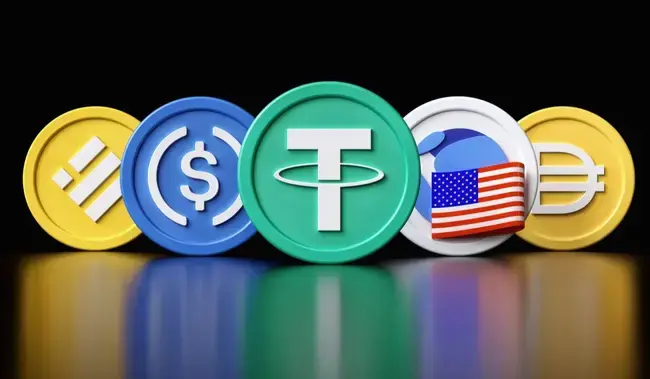
Highlights:

  • JPMorgan CEO says Fed can’t cut rates much unless inflation drops significantly soon.
  • Dimon believes stablecoins are safe and won’t threaten traditional bank deposits.
  • Stablecoins offer cheaper, faster payments, attracting big companies and growing investor interest rapidly.

JPMorgan CEO Jamie Dimon said the U.S. Federal Reserve can’t lower interest rates much unless inflation falls, and he isn’t concerned that stablecoins are a risk to banks. He said in a CNBC-TV18 interview that if inflation stays high, the Federal Reserve will struggle to cut interest rates. 

He noted that inflation appears stuck near 3% and could even rise, though he hopes for steady economic growth and a rate cut driven by strength in the economy rather than by a recession. Dimon’s comments have made people less sure the Fed will cut rates many times, even though some still hope for up to five cuts in the next year.

Lower rates often help crypto because borrowing gets cheaper and investors take more risks.  The Fed already cut rates by 0.25% on Wednesday, the first cut of 2025, which pushed Bitcoin from about $113,000 to over $117,500, its highest in more than a month. Markets now expect another small cut in late October and one more in early December.

New Fed Governor Stephen Miran, chosen by President Trump, wants big rate cuts totaling 1.25 percentage points during the rest of 2025. He said tariffs, limits on immigration, and tax changes have lowered the neutral interest rate, so current rates are about 2 points too high and could cause unnecessary job losses. But other Fed officials disagreed. St. Louis Fed President Alberto Musalem warned that more cuts could make policy too loose, and Atlanta Fed President Raphael Bostic said inflation is still too high to ease rates much.

Dimon Backs Stablecoins Despite Bank Deposit Fears

Dimon warned that prices could stay high because of big government spending, more military buildup, changes in global trade, and fewer people moving to the U.S. He said these factors could raise wages and keep prices high, making it harder for the Fed to keep prices stable and jobs strong.

Dimon also said he isn’t worried that stablecoins will hurt bank deposits. He believes blockchain technology is useful but sees a difference between real uses and risky crypto trading. Dimon’s relaxed view on stablecoins is very different from big U.S. banking groups that want tougher rules to stop digital dollars from competing with banks.

Five major banking trade groups have asked Congress to tighten the GENIUS Act, and warned that stablecoins paying interest could cause huge amounts of money to leave bank accounts. A report from the U.S. Treasury Department estimates that yield-paying stablecoins could pull about $6.6 trillion out of banks, changing how banks get their funding.

Meanwhile, Coinbase and other crypto firms still offer stablecoin yields, saying the bans only apply to issuers, not to platforms like theirs. 

Payments Becoming Faster and Cheaper

Stablecoins let people send payments up to 13 times cheaper and settle instantly. The stablecoin market itself has grown fast from $4 billion in 2020 to more than $285 billion today and could reach $1 trillion in yearly payment volume by 2030.

Coinbase research shows stablecoin use hasn’t caused deposits to leave community banks in the past five years, challenging industry warnings. Big companies like Amazon and Walmart are looking at stablecoins to cut payment costs. U.S. savings accounts pay about 0.6% interest, while stablecoins can offer up to 5%, putting pressure on banks.

Dimon believes stablecoins will grow as a real payment method. He emphasized that JPMorgan is exploring stablecoins, and the banking sector is considering a consortium to launch a token. “I’m not sure central banks need to use it among themselves, so it’ll develop over time,” he said.

eToro Platform

Best Crypto Exchange

  • Over 90 top cryptos to trade
  • Regulated by top-tier entities
  • User-friendly trading app
  • 30+ million users
9.9

5 Stars

Visit eToro

eToro is a multi-asset investment platform. The value of your investments may go up or down. Your capital is at risk. Don’t invest unless you’re prepared to lose all the money you invest. This is a high-risk investment, and you should not expect to be protected if something goes wrong.


Market Opportunity
NEAR Logo
NEAR Price(NEAR)
$1.502
$1.502$1.502
-3.22%
USD
NEAR (NEAR) Live Price Chart
Disclaimer: The articles reposted on this site are sourced from public platforms and are provided for informational purposes only. They do not necessarily reflect the views of MEXC. All rights remain with the original authors. If you believe any content infringes on third-party rights, please contact service@support.mexc.com for removal. MEXC makes no guarantees regarding the accuracy, completeness, or timeliness of the content and is not responsible for any actions taken based on the information provided. The content does not constitute financial, legal, or other professional advice, nor should it be considered a recommendation or endorsement by MEXC.

You May Also Like

Tether CEO Delivers Rare Bitcoin Price Comment

Tether CEO Delivers Rare Bitcoin Price Comment

Bitcoin price receives rare acknowledgement from Tether CEO Ardoino
Share
Coinstats2025/09/17 23:39
Zepto Life Technology Launches Plasma-Based FungiFlex® Mold Panel as CLIA Reference Laboratory Test

Zepto Life Technology Launches Plasma-Based FungiFlex® Mold Panel as CLIA Reference Laboratory Test

ST. PAUL, Minn., Jan. 21, 2026 /PRNewswire/ — Zepto Life Technology has announced the launch of the FungiFlex® Mold Panel, a plasma-based molecular diagnostic test
Share
AI Journal2026/01/21 23:47
Polygon Tops RWA Rankings With $1.1B in Tokenized Assets

Polygon Tops RWA Rankings With $1.1B in Tokenized Assets

The post Polygon Tops RWA Rankings With $1.1B in Tokenized Assets appeared on BitcoinEthereumNews.com. Key Notes A new report from Dune and RWA.xyz highlights Polygon’s role in the growing RWA sector. Polygon PoS currently holds $1.13 billion in RWA Total Value Locked (TVL) across 269 assets. The network holds a 62% market share of tokenized global bonds, driven by European money market funds. The Polygon POL $0.25 24h volatility: 1.4% Market cap: $2.64 B Vol. 24h: $106.17 M network is securing a significant position in the rapidly growing tokenization space, now holding over $1.13 billion in total value locked (TVL) from Real World Assets (RWAs). This development comes as the network continues to evolve, recently deploying its major “Rio” upgrade on the Amoy testnet to enhance future scaling capabilities. This information comes from a new joint report on the state of the RWA market published on Sept. 17 by blockchain analytics firm Dune and data platform RWA.xyz. The focus on RWAs is intensifying across the industry, coinciding with events like the ongoing Real-World Asset Summit in New York. Sandeep Nailwal, CEO of the Polygon Foundation, highlighted the findings via a post on X, noting that the TVL is spread across 269 assets and 2,900 holders on the Polygon PoS chain. The Dune and https://t.co/W6WSFlHoQF report on RWA is out and it shows that RWA is happening on Polygon. Here are a few highlights: – Leading in Global Bonds: Polygon holds 62% share of tokenized global bonds (driven by Spiko’s euro MMF and Cashlink euro issues) – Spiko U.S.… — Sandeep | CEO, Polygon Foundation (※,※) (@sandeepnailwal) September 17, 2025 Key Trends From the 2025 RWA Report The joint publication, titled “RWA REPORT 2025,” offers a comprehensive look into the tokenized asset landscape, which it states has grown 224% since the start of 2024. The report identifies several key trends driving this expansion. According to…
Share
BitcoinEthereumNews2025/09/18 00:40



