HIVE to Build 320 MW AI Gigafactory in Greater Toronto Area

HIVE proposes large-scale GPU campus to anchor Canadian sovereign AI ambitions
Nasdaq-listed HIVE Digital Technologies said its wholly owned subsidiary, BUZZ HPC, is advancing plans for a 320 megawatt AI-focused data centre in the Greater Toronto Area. The company frames the development as a sovereign AI infrastructure project designed to host more than 100,000 graphics processing units, with a target in-service date in the second half of 2027 and an estimated capital commitment of CAD 3.5 billion.
If completed as outlined, the facility would rank among the largest AI-dedicated compute campuses in Canada. HIVE, which began as a digital infrastructure firm in 2017 and has since operated data centres across Canada, Sweden and Paraguay, has been expanding from cryptocurrency mining into providing GPU compute for AI workloads. The company emphasizes a sustainability angle, noting its historical focus on green energy sourcing for high-performance computing operations.
Project details and local positioning
The proposed site is located within the Toronto–Waterloo innovation corridor, an area known for a dense concentration of AI research, startups and university talent. HIVE says the project would support enterprise AI, public sector applications, research institutions and next-generation high-performance computing. The company estimates the build will create more than 800 construction jobs and several hundred permanent technical positions once operational.
Key project metrics:
- Capacity: 320 MW of IT load
- Scale: Designed to accommodate in excess of 100,000 GPUs at full build-out
- Investment: Approximately CAD 3.5 billion of capital expenditure
- Timeline: Targeted commissioning in the second half of 2027
Why scale matters
Demand for large pools of GPU compute has surged alongside the rapid adoption of generative AI models and other compute-intensive workloads. Organizations building and training large models require dense, high-performance clusters with significant power and cooling capacity, as well as low-latency networking and robust storage systems. A 320 MW facility is notable for a single-site deployment, reflecting the scale that modern AI workloads can require.
From a strategic perspective, the project addresses two converging trends: the consolidation of AI compute into hyperscale campuses, and increased attention on data residency and sovereign technology stacks. By siting a major compute asset within Canada, HIVE positions the facility as a destination for entities that want to keep sensitive data and model training operations under domestic jurisdiction.
Technical and operational considerations
Building and operating a GPU-dense campus at this scale presents several practical challenges. Securing large, reliable power supplies and durable transmission infrastructure is critical, as is access to efficient cooling systems to manage heat from densely packed accelerators. Network capacity and latency considerations will also affect the facility’s suitability for certain applications, particularly distributed training and real-time inference.
On the supply side, sourcing tens of thousands of GPUs and complementary hardware has become more competitive, with hyperscalers, cloud providers and emerging specialist operators all vying for the same components. Logistics, vendor relationships and phased deployment plans will be central to delivering the project on schedule and budget.
Market and policy implications
HIVE’s announcement arrives against a backdrop of growing policymaker interest in domestic AI infrastructure. Governments in North America and Europe have signaled an appetite for policies that encourage onshore compute capabilities, motivated by data sovereignty, national security and industrial policy objectives. A domestic large-scale GPU campus could appeal to regulated industries and public institutions looking to avoid foreign cloud dependencies.
However, competition is strong. Hyperscale cloud providers and established data-centre operators continue to expand GPU capacity globally, often backed by deep pockets and integrated service offerings. For a smaller publicly listed operator like HIVE, executing a CAD 3.5 billion project will require managing execution risk, financing and long-term customer acquisition.
Risks and considerations for investors and customers
Major execution risks include permitting and site development timelines, securing sufficient grid connections, and ensuring the supply of GPUs and networking equipment. The company will also need to attract anchor customers or long-term contracts to support such a capital-intensive build. Delays or cost overruns could affect HIVE’s financial position and project economics.
For potential customers, the appeal of a domestically controlled GPU cluster is balanced against service maturity, software ecosystems and integration with existing workflows. Enterprises and research institutions will weigh sovereignty and location against the operational convenience and feature sets offered by established cloud providers.
Bottom line
HIVE’s BUZZ HPC proposal signals continued momentum toward scaling dedicated AI infrastructure outside traditional hyperscaler environments. The project highlights the intersection of commercial opportunity and policy-driven demand for domestic compute capacity. Whether the plan progresses to full build-out will depend on HIVE’s ability to navigate technical, supply-chain and financing challenges in a fast-moving market for GPU compute.
We will monitor updates from the company on site selection, permitting milestones, customer announcements and construction timelines as the development advances toward the 2027 target.
This article was originally published as HIVE to Build 320 MW AI Gigafactory in Greater Toronto Area on Crypto Breaking News – your trusted source for crypto news, Bitcoin news, and blockchain updates.


You May Also Like
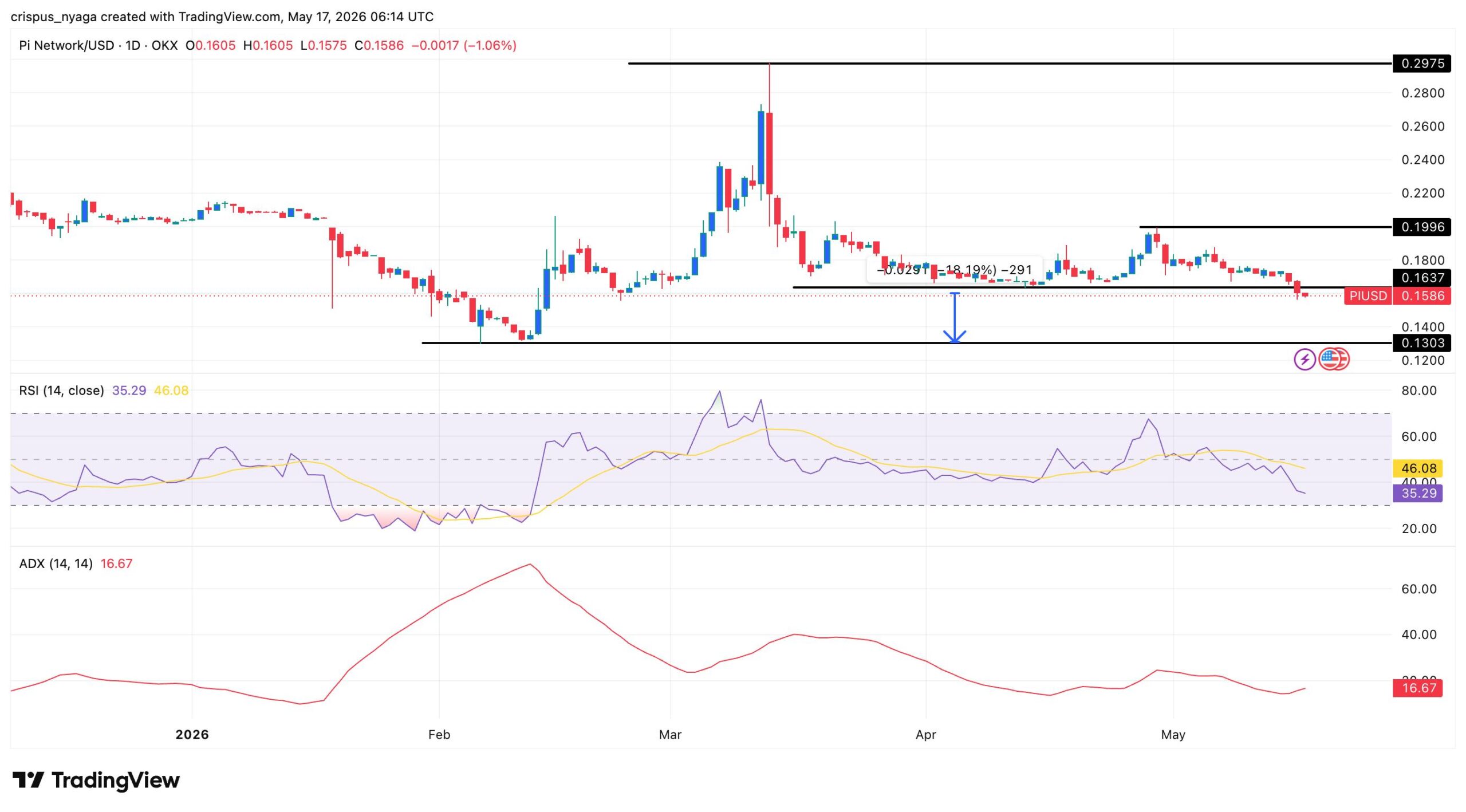
Pi Coin Price Crashes Another 7.5% Before Pi Network Protocol 23 Mainnet Activation

The Chemistry of UV Resistance: How Titanium Dioxide Protects Against the California Sun