

Tokenized Stocks Face Crucial Test: Citadel Demands SEC Apply Traditional Rules

BitcoinWorld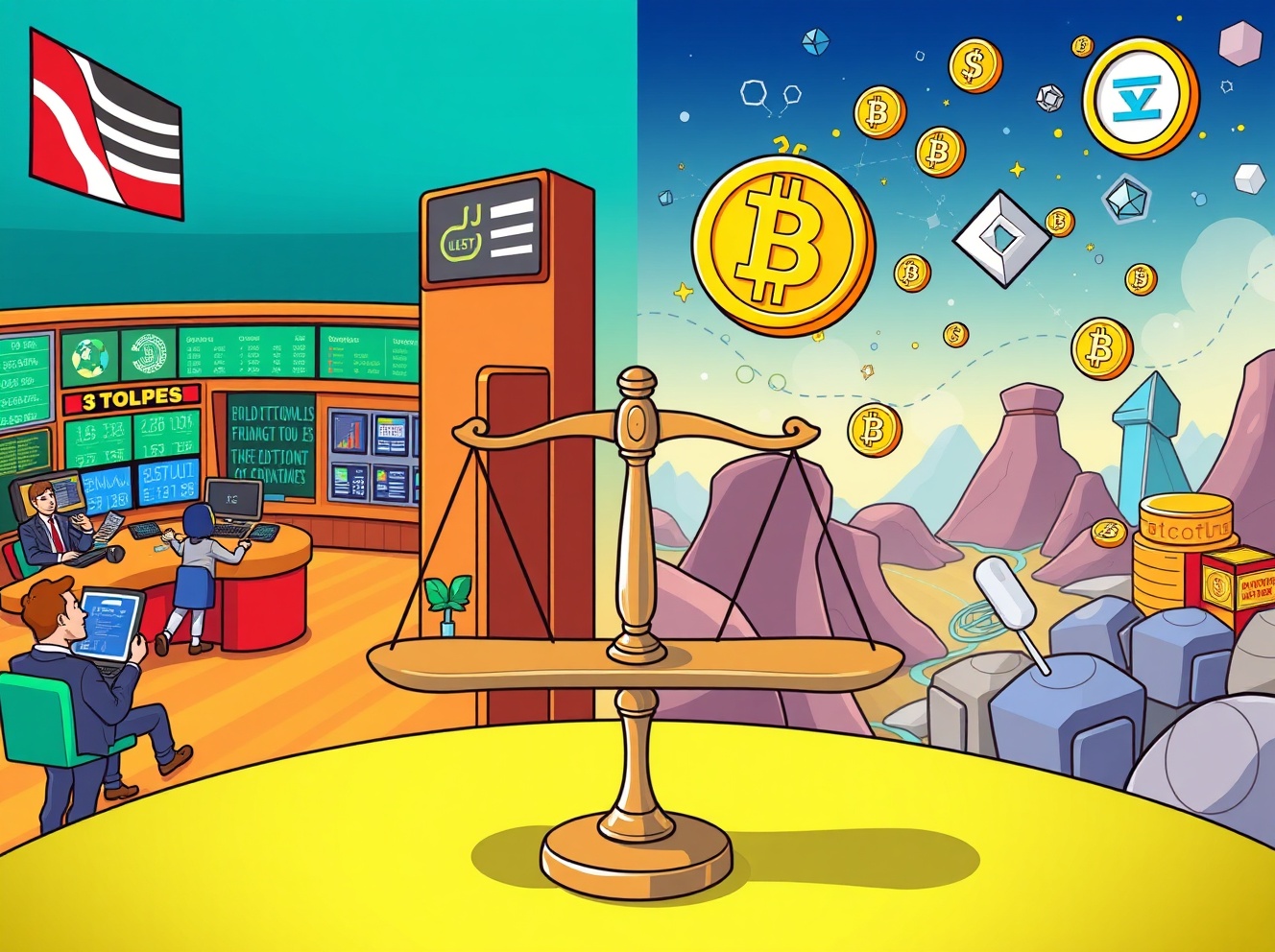
Tokenized Stocks Face Crucial Test: Citadel Demands SEC Apply Traditional Rules
Imagine buying a slice of Apple or Tesla through a decentralized app, bypassing traditional brokers. This is the promise of tokenized stocks, but a powerful Wall Street player just threw a regulatory wrench in the works. Citadel Securities has delivered a stark warning to the SEC: treat these digital assets exactly like their traditional counterparts, or risk creating dangerous gaps in investor protection.
Why Is Citadel Sounding the Alarm on Tokenized Stocks?
In a formal comment letter to the Securities and Exchange Commission, the giant hedge fund firm Citadel Securities took a firm stance. It strongly opposes any special regulatory exemptions for trading tokenized stocks on DeFi platforms. The core of their argument is simple: the function defines the rule. If a digital token represents ownership in a company and is traded for profit, it is a security—no matter what technology facilitates the trade.
Citadel challenges the common DeFi claim of complete decentralization. The firm points out that many platforms have identifiable intermediaries, like developer teams or governance token holders, who profit from fees and influence how trades are processed. This, they argue, makes these entities no different from traditional market intermediaries who fall under strict SEC oversight.
The Heart of the Debate: Smart Contracts vs. Traditional Rules
This is where the debate gets technical, yet critical for every investor. Citadel made a pivotal argument that cuts to the core of crypto regulation. It stated that executing a trade via a smart contract is a binding contractual act, functionally identical to placing an order on the New York Stock Exchange.
Therefore, exempting these transactions could dismantle key investor safeguards. Let’s break down what Citadel says could be at risk:
- Transparent Fee Disclosures: Investors might not fully understand the costs embedded in smart contracts.
- Conflict of Interest Management: Platform developers could prioritize their own profits.
- Market Surveillance: Manipulative trading could go undetected without proper monitoring.
- Secure Custody: The safety of the digital assets themselves could be compromised.
Citadel insists its position is not anti-innovation. Instead, it’s a call for a level playing field. The firm asserts that tokenized stocks must follow the same rules as traditional stocks to ensure market integrity and protect everyone involved.
How Does the Crypto Industry Respond to This Challenge?
Unsurprisingly, pushback from the crypto and DeFi sector was swift. Critics argue that Citadel’s view shows a fundamental misunderstanding of decentralization’s purpose and mechanics. They contend that true DeFi protocols are governed by code and community, not a central entity, and thus require a new regulatory framework tailored to their unique nature.
This clash represents a classic tension in technological evolution: do you fit new technology into old boxes, or build new boxes altogether? For the average person, the outcome will shape how easily and safely they can access global markets in the future. The SEC’s decision could either legitimize tokenized stocks by bringing them into the regulated fold or stifle their growth by imposing incompatible rules.
What Does This Mean for the Future of Investing?
The Citadel letter is more than a corporate comment; it’s a spotlight on the inevitable collision between high finance and decentralized technology. The resolution will set a precedent for how all tokenized real-world assets—from real estate to commodities—are treated.
A regulated path for tokenized stocks could lead to massive institutional adoption, bringing immense liquidity and stability to crypto markets. Conversely, a lack of clear rules might keep major players on the sidelines, limiting growth and leaving retail investors exposed. The goal is a framework that fosters innovation without sacrificing the hard-won protections that make public markets trustworthy.
The bottom line is clear: The debate over tokenized stocks is no longer theoretical. As giants like Citadel enter the fray, the pressure is on regulators to craft rules that are both fair and forward-looking. The future of a blended financial system depends on it.
Frequently Asked Questions (FAQs)
What are tokenized stocks?
Tokenized stocks are digital tokens on a blockchain that represent ownership in a traditional company, like Apple or Tesla. They aim to mirror the price of the real stock and can be traded on certain crypto platforms.
Why does Citadel want them regulated by the SEC?
Citadel argues that because these tokens function as securities (investments in a common enterprise with an expectation of profit), they should have the same investor protections, like disclosure and surveillance, as stocks traded on traditional exchanges.
What’s the main argument against Citadel’s position?
Critics say true decentralized finance (DeFi) platforms are governed by code and community, not a central intermediary. They believe applying old rules to this new technology stifles innovation and misunderstands how decentralization works.
How could SEC regulation affect the average crypto investor?
Clear SEC rules could make tokenized stock platforms safer and more legitimate, attracting more users. However, overly strict regulation could limit access or make these investments less flexible than their decentralized origins intended.
What other assets could be affected by this decision?
The SEC’s approach to tokenized stocks will likely create a blueprint for other tokenized real-world assets (RWAs), such as bonds, real estate, and commodities, shaping the entire future of asset tokenization.
Found this breakdown of the tokenized stocks debate helpful? The conversation about regulating our digital financial future is just beginning. Share this article on Twitter or LinkedIn to spark discussion and keep your network informed about the critical rules being written today that will define investing tomorrow.
To learn more about the latest trends in crypto regulation, explore our article on key developments shaping institutional adoption and market structure.
This post Tokenized Stocks Face Crucial Test: Citadel Demands SEC Apply Traditional Rules first appeared on BitcoinWorld.
You May Also Like

Michael Saylor Pushes Digital Capital Narrative At Bitcoin Treasuries Unconference

XRP Price Prediction: CLARITY Act Nears April as Pepeto Presale Offers Bigger Upside

