

Microsoft to increase Microsoft 365 prices worldwide from July 2026
Microsoft will raise prices for its Microsoft 365 productivity suites globally, effective July 21, 2026. The company in a statement on Thursday explained that the change will affect both commercial businesses and government clients.
At the lower end, small business and frontline-worker plans will experience the most impact. Microsoft 365 Business Basic is set to increase by 16.7 per cent, from $6 to $7 per user per month. Microsoft 365 Business Standard will rise by 12 per cent, to $14 per user.
Subscriptions aimed at frontline workers will see even larger hikes: the Microsoft 365 F1 plan increases from $2.%(a 33 per cent rise), while Microsoft 365 F3 goes up from $8 to $10.
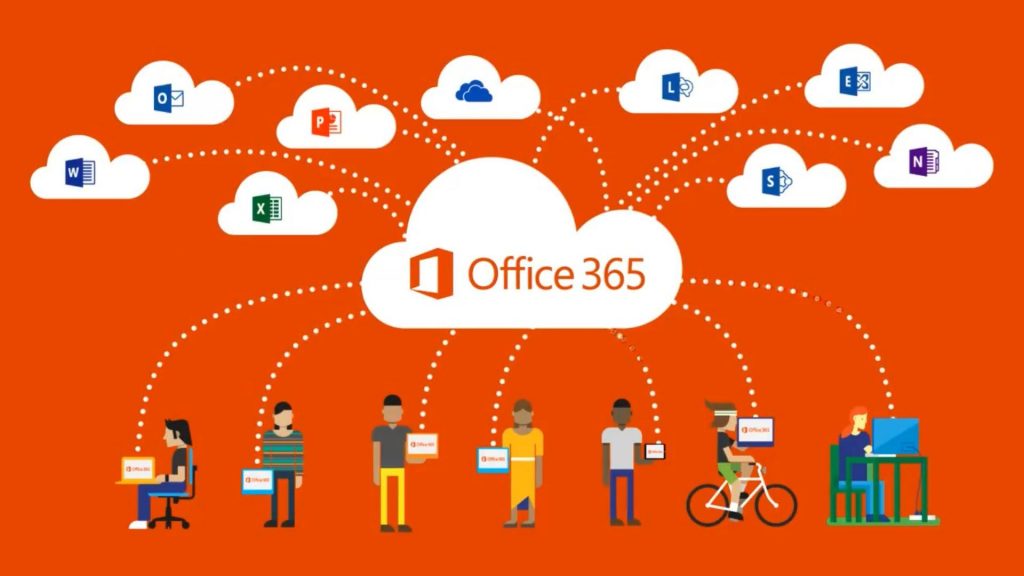 Microsoft 365 price hikes
Enterprise customers will face more modest increases. Microsoft 365 E3 rises by 8.3 per cent to $39 per user per month, and Microsoft 365 E5 increases by 5.3 per cent to $60.
Government clients will experience similar adjustments, with regional pricing adapted according to local regulations.
What is behind the Microsoft 365 price increase?
Microsoft attributes the increase to the addition of over 1,100 new features across Microsoft 365. These enhancements include AI-powered productivity tools, enhanced security, and advanced management capabilities designed to help organisations remain secure and efficient.
One of the key additions is Microsoft 365 Copilot Chat, a secure, unified AI-powered chat interface now embedded into core apps like Word, Excel, PowerPoint, Outlook and OneNote. This integration allows users to draft documents, summarise emails, or generate insights using natural language within familiar workflows.
On the security and IT-management front, Microsoft is rolling out improved email protection, URL-checking in Office apps to block malicious links, and expanded endpoint management tools via Microsoft Intune. Updates include remote help, advanced analytics, and integrated device management — all aimed at giving IT teams greater control over devices, security, and compliance.
Additional features include the deployment of security agents via Microsoft Security Copilot, providing enterprises with proactive threat detection and mitigation across email, collaboration, and device management.
Microsoft describes these changes as essential for navigating the increasing complexity of work, especially as companies adopt hybrid models, expand digital collaboration, and leverage AI-driven workflows.
This marks the first commercial price increase for Microsoft 365 since 2022. Earlier in 2025, the company raised consumer subscription rates for the first time in over a decade.
For many businesses, especially smaller firms and organisations with large frontline or shift-worker teams, the hikes may lead to a significant rise in ongoing costs. Retail, hospitality, and public-sector employers might feel the most impact, particularly those with large staff bases. The increase to $3 per frontline worker monthly, for example, could rapidly accumulate in larger organisations.
For enterprise clients and bigger organisations, the shift could offer new value: enhanced security, AI-powered productivity features, and more efficient device management, offerings that, depending on usage, might justify the additional expenditure.
With six months remaining until the July 2026 deadline, many organisations now have time to reassess licensing needs, explore alternative productivity suites, or renegotiate contracts. As Microsoft increasingly focuses on AI-driven enterprise tools, customers will need to decide whether the added value fits their budget and long-term strategy.
You May Also Like

Why Financial Technology Is Attracting Record Investment

What’s behind the far-right push to turn Churchill into World War II’s villain: historian


