

GameStop’s Stunning $9.4 Million Bitcoin Loss: What It Reveals About Corporate Crypto Risk
BitcoinWorld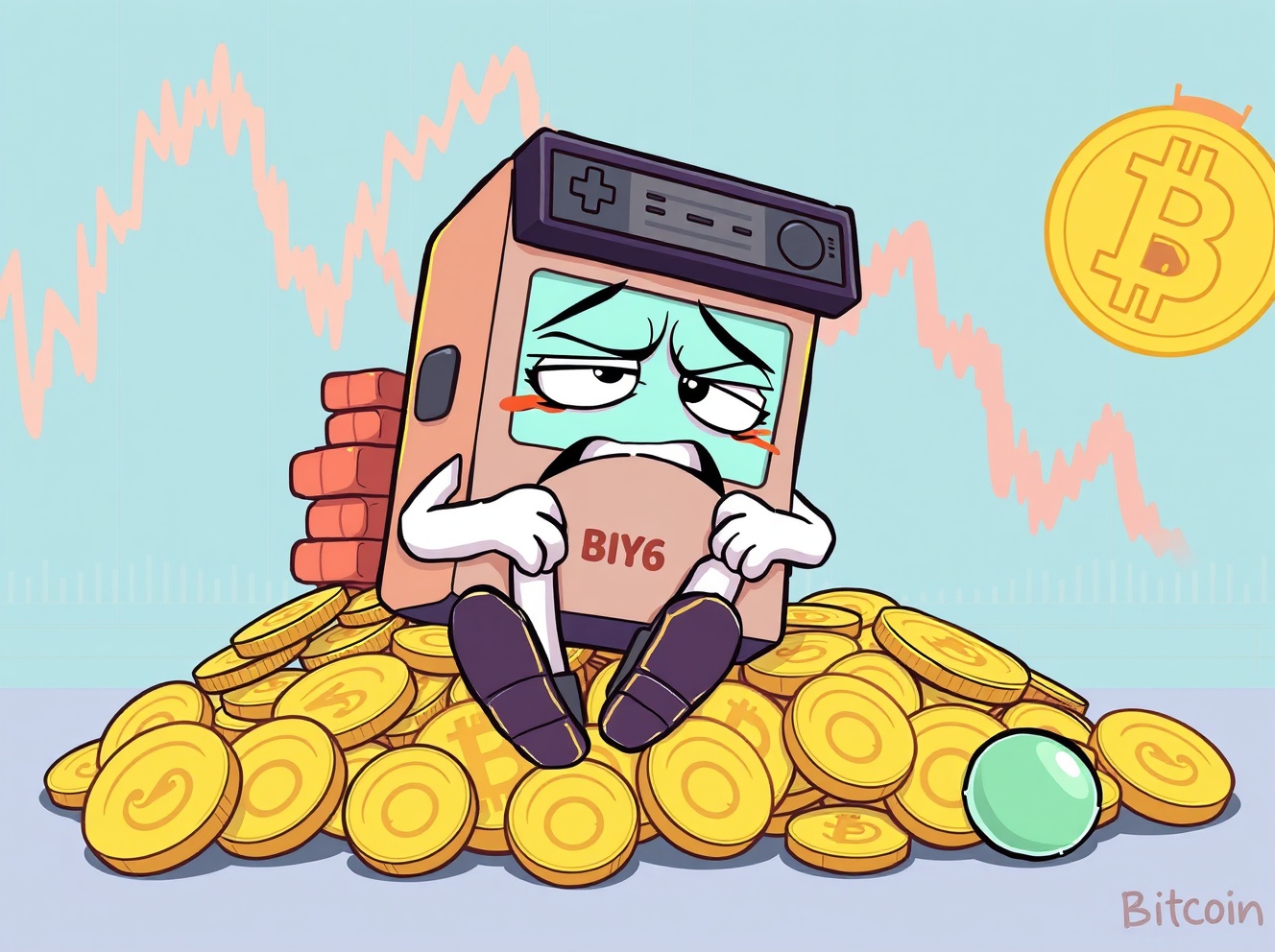
GameStop’s Stunning $9.4 Million Bitcoin Loss: What It Reveals About Corporate Crypto Risk
In a move that caught the attention of both Wall Street and Crypto Twitter, GameStop recently disclosed a significant financial hit. The video game retailer reported a $9.4 million unrealized loss on its Bitcoin investment for the third quarter. This GameStop Bitcoin loss highlights the volatile dance between traditional corporations and the digital asset space. Let’s unpack what happened and why it matters for the future of business investments in cryptocurrency.
What Exactly Is an Unrealized GameStop Bitcoin Loss?
First, it’s crucial to understand the term “unrealized loss.” This doesn’t mean GameStop sold its Bitcoin at a loss. Instead, it reflects the decrease in the market value of its holdings compared to their purchase price at the end of the quarter. Think of it like this: you buy a collectible game for $100. If its market value drops to $50, you have a $50 “unrealized” loss on paper. You only realize that loss if you actually sell it. GameStop’s situation is identical, just on a multi-million dollar scale with digital currency.
How Did GameStop Accumulate Its Bitcoin Holdings?
GameStop’s foray into crypto wasn’t a sudden gamble. The company made a strategic purchase in May, acquiring 4,710 BTC. Since then, they have not announced any further buys or sells. This suggests their GameStop Bitcoin loss calculation is based on that original stash. The value of Bitcoin fluctuated dramatically throughout Q3, leading to this paper loss. Key points about their position include:
- Holding Steady: No new purchases indicates a “hold” strategy despite market dips.
- Long-Term View: An unrealized loss suggests they are waiting for a potential price recovery.
- Balance Sheet Impact: Such losses affect quarterly earnings reports and investor perception.
Why Does This GameStop Bitcoin Loss Matter for the Crypto Market?
This isn’t just a line item on one company’s financial statement. GameStop, a meme stock icon, represents a bridge between mainstream retail and alternative assets. Its GameStop Bitcoin loss serves as a real-world case study for other businesses considering cryptocurrency treasury investments. It demonstrates the inherent volatility and accounting challenges. Therefore, this event may cause other corporations to pause and refine their crypto investment strategies, prioritizing risk management over hype.
What Are the Broader Implications for Corporate Crypto Adoption?
The journey of companies like GameStop into Bitcoin is a double-edged sword. On one hand, it legitimizes crypto as a viable, albeit risky, asset class for corporate treasuries. On the other, quarterly reports of losses can scare off more conservative institutions. The key takeaway is transparency. By publicly reporting this GameStop Bitcoin loss, the company adheres to financial regulations and provides clear data. This honesty is vital for building a mature, regulated framework around corporate digital asset investing.
Conclusion: A Volatile Lesson in Modern Finance
GameStop’s $9.4 million paper loss on Bitcoin is more than a headline. It’s a snapshot of a new financial era where traditional companies test the waters of digital assets. While the loss is unrealized, its impact on investor sentiment and corporate strategy is very real. This event underscores a critical lesson: cryptocurrency investments offer potential reward but come with significant, quantifiable risk that must be managed on the public balance sheet.
Frequently Asked Questions (FAQs)
Q1: Did GameStop actually lose $9.4 million in cash?
A: No. This is an “unrealized” or “paper” loss. It means the current market value of their Bitcoin is $9.4 million less than what they paid. The loss only becomes real if they sell at the lower price.
Q2: How much Bitcoin does GameStop still own?
A: Based on their last announcement, they likely still hold the 4,710 BTC purchased in May, as they reported no subsequent transactions.
Q3: What does “unrealized loss” mean for a company’s health?
A: It affects the company’s reported earnings and overall asset value on its balance sheet, which can influence its stock price and investor confidence, even though no cash has left the company.
Q4: Are other companies reporting similar Bitcoin losses?
A: Yes, other firms like Tesla have also reported quarterly unrealized losses on their Bitcoin holdings when the market price falls, highlighting the common volatility of such investments.
Q5: Could this loss turn into a gain?
A> Absolutely. If Bitcoin’s price rises above GameStop’s purchase price in a future quarter, the company would then report an “unrealized gain” on the same holdings.
Q6: Should investors be worried about GameStop’s crypto strategy?
A> It depends on their risk tolerance. This loss shows the strategy is speculative. Investors should assess if GameStop’s core business and its crypto investments align with their own portfolio goals.
Found this analysis of GameStop’s Bitcoin loss insightful? The conversation around corporate crypto investment is just getting started. Share this article on social media to spark discussion with your network and see what others think about the future of Bitcoin on balance sheets.
To learn more about the latest Bitcoin trends, explore our article on key developments shaping Bitcoin institutional adoption.
This post GameStop’s Stunning $9.4 Million Bitcoin Loss: What It Reveals About Corporate Crypto Risk first appeared on BitcoinWorld.


You May Also Like

The changing face of elder care in Malaysia — Sayed Mohammad Reza Yamani Sayed Umar

Not a loophole: Singapore AI export controls let China tap US AI legally

Exclusive interview with Smokey The Bera, co-founder of Berachain: How the innovative PoL public chain solves the liquidity problem and may be launched in a few months



