Port’s $100M Funding Surge: The Revolutionary Platform Challenging Spotify’s Backstage Dominance
BitcoinWorld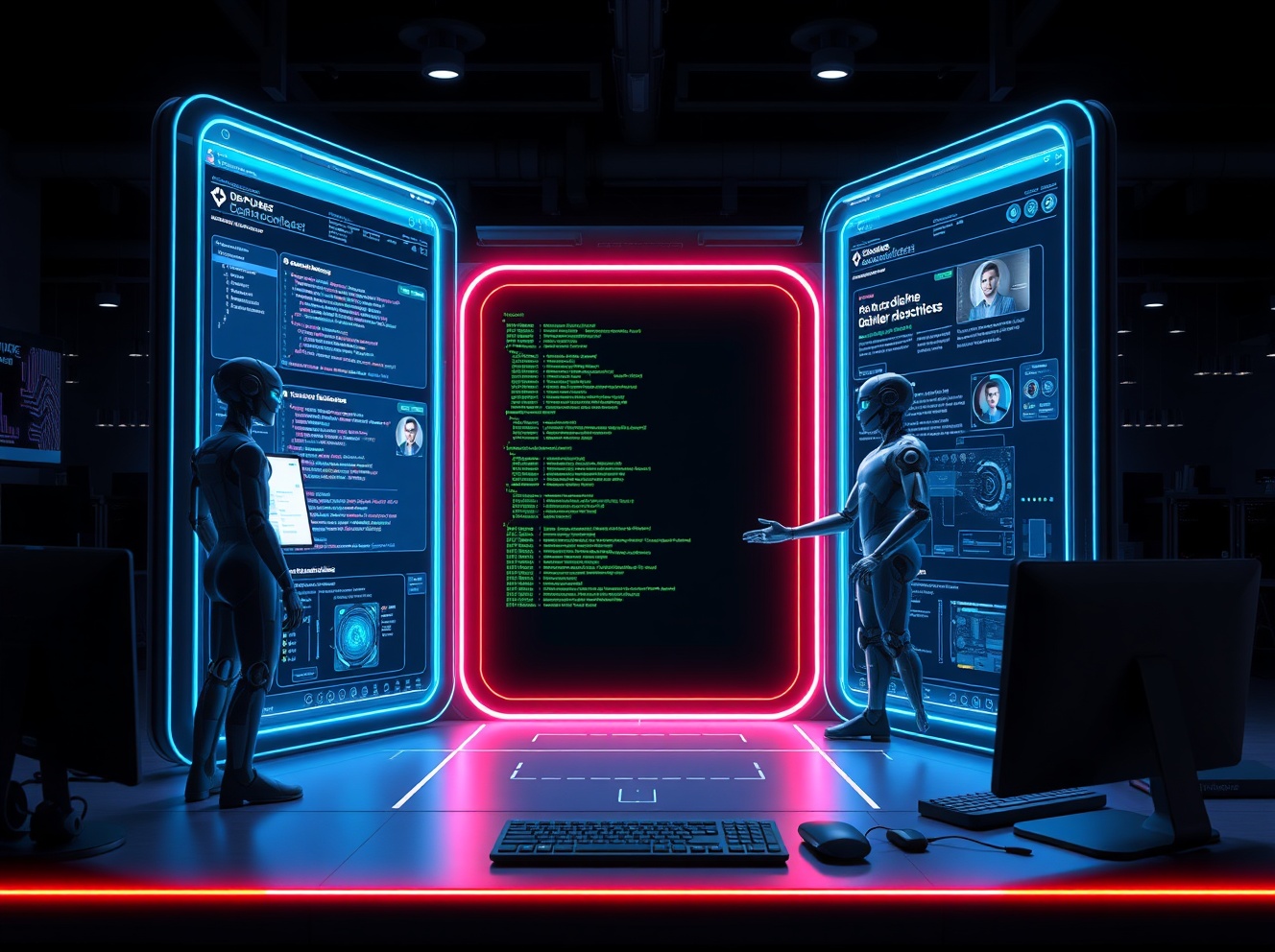
Port’s $100M Funding Surge: The Revolutionary Platform Challenging Spotify’s Backstage Dominance
In a stunning development that’s shaking up the developer tools landscape, Israeli startup Port has secured a massive $100 million Series C funding round at an $800 million valuation. This powerhouse investment positions Port as a serious challenger to Spotify’s established Backstage platform, signaling a major shift in how companies manage their internal developer ecosystems and AI agents.
What Makes Port’s Developer Tools Platform So Revolutionary?
While Spotify’s Backstage has become synonymous with internal developer portals, Port is taking a fundamentally different approach. Unlike the open-source, build-it-yourself nature of Backstage, Port offers a proprietary platform that’s ready to deploy immediately. This distinction has already attracted major enterprise clients including GitHub, British Telecom, and LG Electronics.
The platform’s core innovation lies in its comprehensive approach to developer tool management:
- Unified Catalog System: Centralizes all developer tools, services, and documentation
- AI Agent Integration: Manages and orchestrates AI-powered development assistants
- Performance Analytics: Provides real-time metrics and visualization of tool effectiveness
- Standardization Framework: Ensures consistency across development teams and processes
How Port’s AI Agents Platform Transforms Development Workflows
Port’s most significant innovation might be its sophisticated approach to AI agent management. According to Port co-founder and CEO Zohar Einy, developers are moving beyond using AI just for coding assistance. “They want to take AI beyond just coding. They want it to resolve incidents, resolve security issues. They want it to take care of the release management,” Einy explained.
The platform addresses what Einy calls the “wild west” of AI agent deployment in organizations. Without proper management, AI agents can create chaos when they’re connected to different tools, scattered data sources, and lack collaboration capabilities or corporate standards.
| Feature | Description | Benefit |
|---|---|---|
| Context Lake | Centralized management of data sources and guardrails for AI agents | Ensures agents operate safely with proper context |
| Human-in-the-Loop | Approval processes and oversight mechanisms | Maintains human control over critical decisions |
| Agent Orchestration | Coordinates multiple AI agents working on related tasks | Prevents conflicts and optimizes workflows |
| Performance Metrics | Tracks agent effectiveness and identifies improvement areas | Enables continuous optimization of AI assistance |
The $100M Funding Round: Who’s Betting on Port’s Internal Developer Portal Vision?
The Series C round was led by General Atlantic, with participation from existing investors Accel, Bessemer Venture Partners, and Team8. This brings Port’s total funding to $158 million since its founding in 2022. The rapid funding progression—from a $35 million Series B in May to this $100 million round—demonstrates strong investor confidence in Port’s approach to the internal developer portal market.
Port’s valuation of $800 million reflects the growing importance of developer experience platforms in enterprise technology stacks. As companies increasingly rely on complex software ecosystems, tools that streamline development processes and manage AI integration are becoming critical infrastructure.
Port vs. Spotify Backstage: A Head-to-Head Comparison
While both platforms serve similar markets, their approaches differ significantly:
- Implementation Model: Backstage requires significant customization and maintenance, while Port offers a managed service
- AI Integration: Port has native AI agent management capabilities, while Backstage requires additional tooling
- Enterprise Features: Port includes built-in security, compliance, and governance features
- Time to Value: Port claims faster deployment and quicker realization of benefits
The Competitive Landscape: Beyond Spotify’s Backstage
Port faces competition from multiple directions in the agent management and orchestration space. Major players include:
- LangChain: Focused on building context-aware reasoning applications
- UiPath: Bringing robotic process automation to development workflows
- Cortex: Specializing in microservices and developer productivity
- Big Tech Solutions: Cloud providers offering their own developer portal solutions
What sets Port apart is its specific focus on the intersection of developer portals and AI agent management—a niche that’s becoming increasingly important as organizations scale their AI adoption.
Actionable Insights for Development Teams Considering Port
For organizations evaluating Port or similar platforms, consider these key factors:
- Assess Your AI Agent Strategy: Determine how many AI agents you’re currently using or planning to deploy
- Evaluate Integration Requirements: Map out which tools and systems need to connect to your developer portal
- Calculate Total Cost of Ownership: Compare build vs. buy scenarios, including maintenance and scaling costs
- Consider Team Skills: Assess whether your team has the expertise to manage a complex developer portal platform
- Plan for Growth: Ensure the platform can scale with your organization’s development needs
The Future of Developer Tools and AI Integration
Port’s massive funding round signals a broader trend in software development: the convergence of developer experience platforms and AI management tools. As AI becomes more integrated into development workflows, platforms that can effectively manage these interactions will become increasingly valuable.
Einy describes Port’s mission as handling “the other 90% of what software programmers do that isn’t writing code.” This vision—of automating and streamlining the entire development lifecycle beyond just coding—represents the next frontier in developer productivity tools.
FAQs About Port and the Developer Tools Market
What is Port’s main product?
Port offers a proprietary internal developer portal platform that helps companies manage their developer tools and AI agents in a unified system.
How does Port differ from Spotify’s Backstage?
While both serve as internal developer portals, Port is a managed proprietary platform with built-in AI agent management, whereas Backstage is an open-source project requiring significant customization.
Who are Port’s key investors?
Port’s investors include General Atlantic, Accel, Bessemer Venture Partners, and Team8.
What major companies use Port?
Port’s customers include GitHub, British Telecom, and LG Electronics.
Who founded Port?
Port was founded in 2022 and is led by CEO Zohar Einy.
What is Port’s current valuation?
Following the $100 million Series C round, Port is valued at $800 million.
Conclusion: A New Era for Developer Productivity Platforms
Port’s $100 million funding round at an $800 million valuation represents more than just another startup success story. It signals a fundamental shift in how organizations approach developer tool management and AI integration. By combining the capabilities of an internal developer portal with sophisticated AI agent management, Port is positioning itself at the forefront of the next generation of developer productivity platforms.
The competition with Spotify’s Backstage is just the beginning. As AI continues to transform software development, platforms that can effectively manage both human and AI contributors will become essential infrastructure for any organization serious about software innovation.
To learn more about the latest AI and developer tools trends, explore our article on key developments shaping AI integration in enterprise software development and future platform features.
This post Port’s $100M Funding Surge: The Revolutionary Platform Challenging Spotify’s Backstage Dominance first appeared on BitcoinWorld.
You May Also Like

The crypto winners from AI may not be AI coins at all as agents start spending autonomously
Researcher Connects the Dots Between This SWIFT’s Major Announcement and XRP